

The Nasdaq-100 probed 31,000 and the KOSPI closed back above 7,000 in the same week. Soft September payrolls cut odds of an October Fed hike, while AI memory still props Seoul. The year looks positive for chip-led indexes — not for breadth, rates, or anyone waiting for easy money.
Two indexes hit round numbers that the tape wants to treat as proof. On October 2 the Nasdaq-100 traded through 31,000 intraday — a high near 31,017 — before settling just under the line. The same session, Seoul’s KOSPI closed at 7,003.74, reclaiming a psychological floor it first shattered in May. The shared story is not “risk-on forever.” It is AI hardware still writing the index, while the cost of capital and the labor market argue over who owns the rest of the year.
What crossed — and what already mean-reverted
The Nasdaq move was a rate-sensitive relief rally. September nonfarm payrolls printed about 29,000 against expectations near 80,000–90,000; unemployment ticked to 4.2 percent. Futures cut the odds of an October Federal Reserve hike from majority territory into the teens. Growth stocks did what they always do when the next tightening date slips: they bid the duration-heavy names that dominate the Nasdaq-100.
Korea’s number has a longer scar. The KOSPI first vaulted 7,000 on May 6, closing that day at 7,384.56 as Samsung Electronics cracked $1 trillion and SK Hynix rode the same HBM shortage — a concentration we tracked through Seoul’s Honam fab gamble and the Bank of Korea’s chip-funded growth upgrade. By late May the duo approached half the index’s market value while hundreds of other listings fell. October’s close above 7,000 is not May’s euphoria returning. It is a floor defense after a long, chip-led melt-up and a pullback under higher global yields and oil.
The binding constraint is still the discount rate
Chair Kevin Warsh’s Fed already lifted the funds range to 3.75–4.00 percent in September. Soft jobs may postpone the next hike; they do not erase a 10-year Treasury still camping near 5.2–5.3 percent, or Brent that has refused to clear a war premium — the same collision we mapped when secular AI growth met $103 crude. Equities can print records while bonds set the speed limit.
Soft jobs buy time on the calendar. They do not buy a cheap cost of capital.
That is why the year still “looks positive” only under a narrow definition of growth. Hyperscaler capex and memory demand keep lifting the companies that are the indexes. Breadth outside AI hardware remains thin. Non-AI equities have already been discounting stagflation — slow volume growth against sticky costs — while mega-cap chip and platform names shrug yields that would have crushed 2021-style duration trades.
Does the rest of 2026 still favor growth?
Yes, conditionally — for AI-hardware earnings, not for a soft-landing fantasy. Memory shortages and data-center power builds still transmit into Samsung, SK Hynix, Nvidia-adjacent suppliers, and the U.S. names that weight the Nasdaq-100. Domestic Korean ETF machinery and easier foreign omnibus access amplified the May leg; they can still cushion dips if foreign buyers return after Samsung’s next print. Global strategists still see double-digit earnings growth into 2027 if the AI spend cycle does not stall — a bar Wall Street has already begun to stress-test against $660 billion of infrastructure claims.
No, if “growth” means easy financial conditions or a broad equity advance. Another Fed hike later in the year remains live if inflation reaccelerates. Oil above $100 keeps feeding the services and goods complex the Fed watches. Korea’s index has already shown what happens when two stocks become half the market: the headline can print records while the median listing lives in a different country. A miss on hyperscaler returns, a regulatory chill on AI buildouts, or another Hormuz shock would hit the exact stocks that have been holding both round numbers aloft.
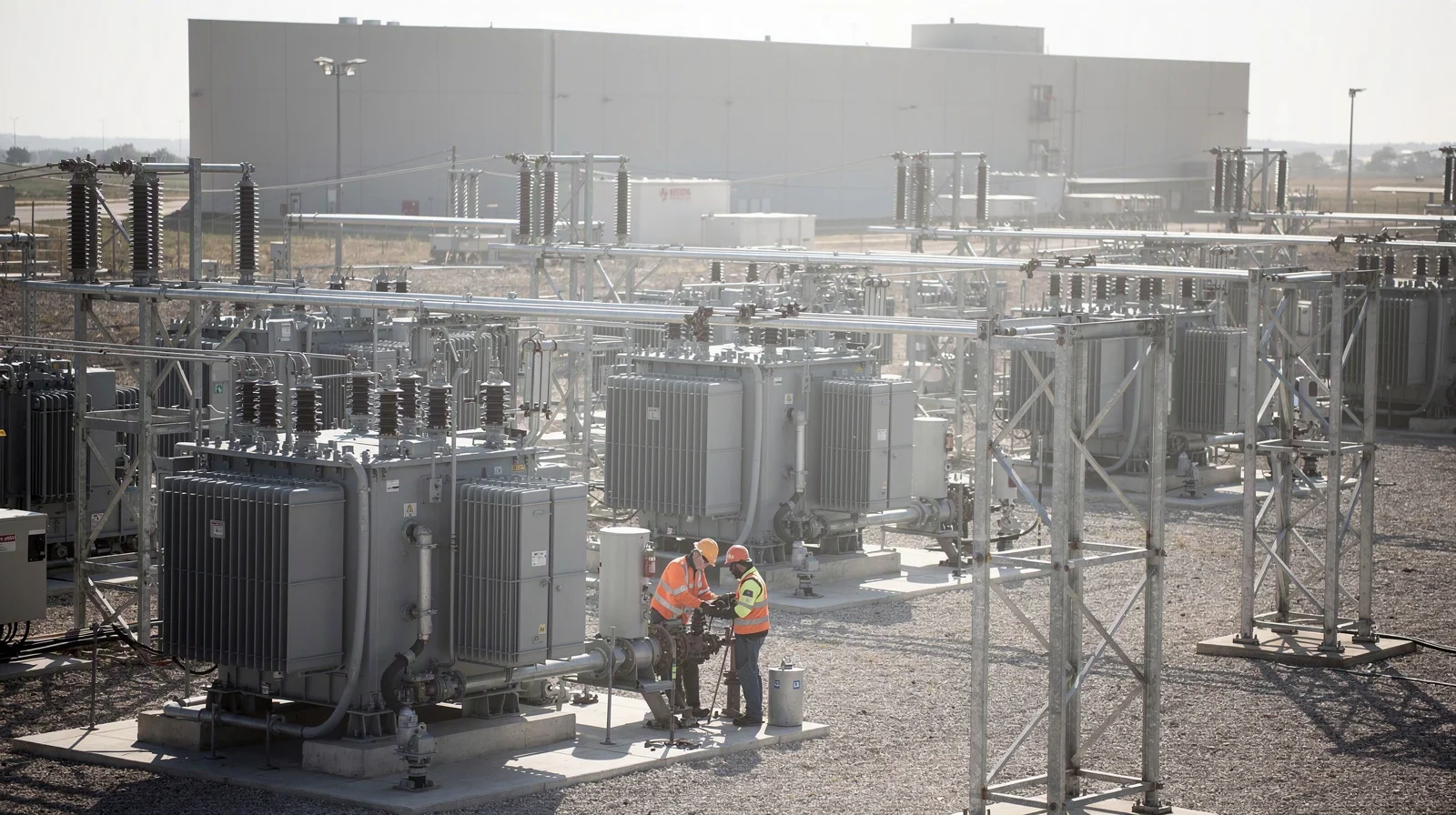
The actionable read is simple. Treat 7,000 and 31,000 as confirmation that capital still prefers scarce AI compute over almost everything else — and as a reminder that preference is not the same as a healthy growth year. The indexes can finish 2026 higher. The growth that gets you there will keep looking like a power yard and a memory fab, not a rising tide.
Continue reading


Sources
Korea Exchange closes for KOSPI; Nasdaq index history for NDX; U.S. nonfarm payrolls and unemployment; Federal Reserve H.15 yields and funds range; Reuters/Yonhap reporting on the May KOSPI 7,000 breakthrough and chip concentration; market commentary on Fed hike odds after soft jobs.


