

October 5 was supposed to be the day Wall Street got a regulated forward price for AI compute. CME and Silicon Data planned H100 and B200 rental-index futures on NYMEX. A CFTC review extension pushed the listing into limbo, revealing that the cash market for GPUs is still too fragmented to treat like oil.
Today was the planned launch date for something the AI economy has never had: a regulated, exchange-traded forward price for compute. CME Group and Silicon Data had scheduled two NYMEX contracts — Silicon Data H100 Rental Index Futures (GPU1) and Silicon Data B200 Rental Index Futures (GPU2) — for October 5, pending regulatory review. They are not literally Nvidia GPU futures. They are financially settled rental-index contracts, each representing 730 GPU-hours, with monthly listings out as far as 36 months.
They did not list today. According to reporting on a September CFTC letter, the commission extended its review by 45 days, to November 9, citing novel and complex issues and manipulation risk in a fragmented GPU rental market. CME later marked the initial listing date TBD. November 9 is a review deadline, not a confirmed trading day.
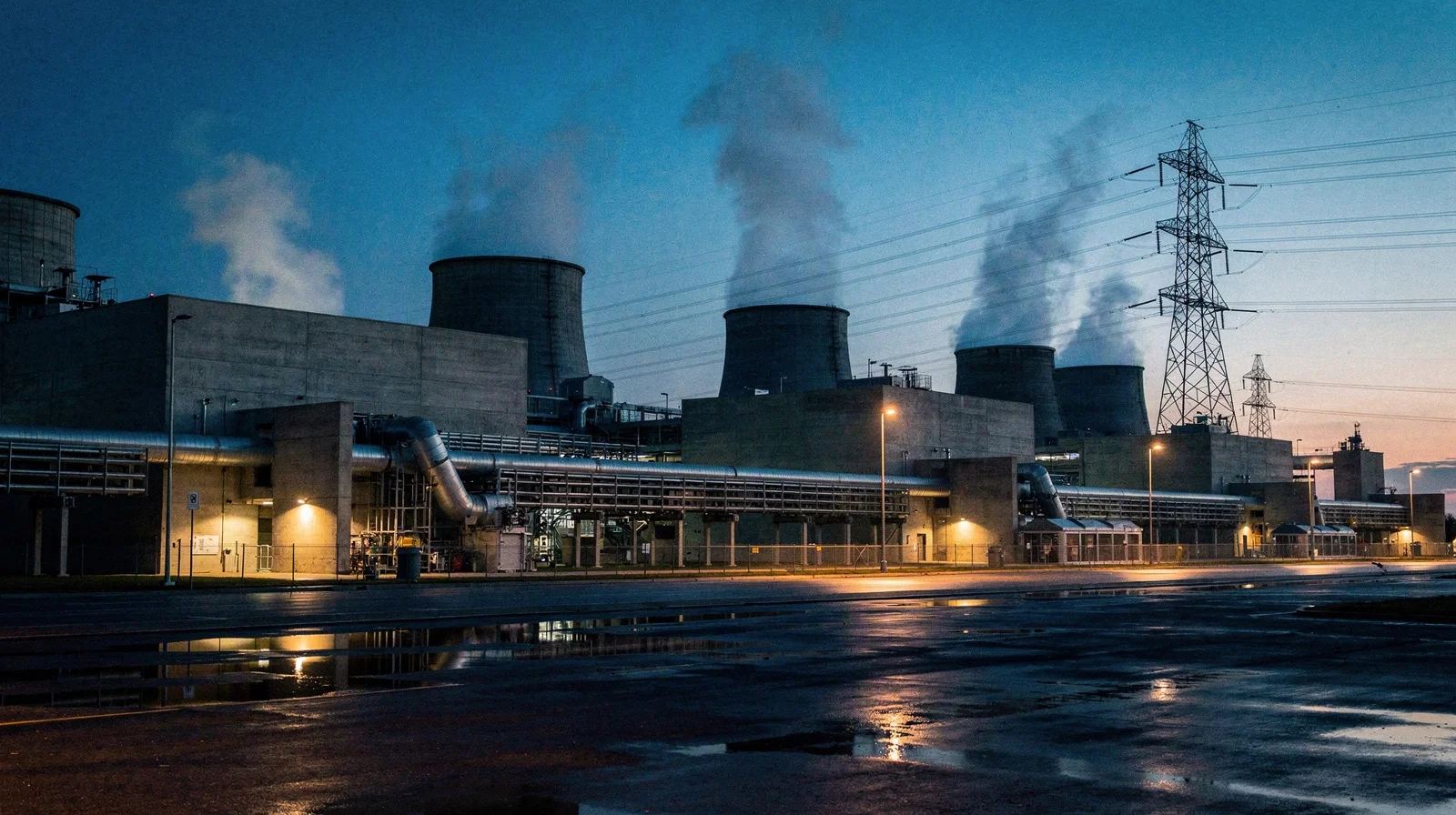
Spot prices already exist. A curve does not.
Silicon Data already publishes daily benchmarks. Its public index recently showed neo-cloud H100 rentals near $2.78 an hour and B200 near $5.86 — with hyperscaler H100 readings roughly three times higher. That gap is the point. Two buyers can rent the same chip generation and pay unrelated prices, with no shared venue to check the deal against.
CME’s pitch, voiced by Pete Keavey when the products were announced, was explicit commodity language: oil fueled the twentieth-century economy; compute should become a standardized, tradable risk. The Financial Times has framed the same shift — compute as a potential asset class, and these contracts as a possible signal about the economics of the AI boom. Spot indices are a thermometer. Futures would be a forward curve.
The economics that curve would discipline are blunt: GPU cost × utilization × model revenue. Until a public strip exists, every capacity plan, loan covenant and vendor financing deal prices that first term as a negotiated private number. Amazon’s reported GPU leasing vehicle is trying to make the machines financeable. CME is trying to make the rental rate hedgeable. Both assume compute can behave more like infrastructure than like a black-box procurement item.
The delay is the residual
The CFTC’s hesitation is not bureaucratic trivia. A cash-settled futures contract is only as sound as the index it settles against. GPU rental prices still form mostly in bilateral deals across neoclouds, brokers and hyperscalers. Silicon Data aggregates those observations into a daily print; the public filing’s strongest claims about cash-market depth sit in a confidential exhibit. Regulators appear unwilling to let Wall Street treat that print as oil before they are satisfied it cannot be steered.
If compute eventually gets a forward price, the interesting signal is not the first print — it is the first sustained decline.
That is the investor question the launch was meant to answer. A falling strip would be a market vote on overbuild, utilization, and the next Nvidia order cycle — the same capital pressure already visible in PIMCO’s AI-capex real-rate thesis and in the commoditizing economics of frontier models. A rising strip would say scarcity still rules. Either reading needs a liquid curve that does not yet exist.
The next fixed point is November 9. By then the CFTC either blocks the contracts or lets approval proceed, after which CME must still name a listing date. Until that happens, AI has daily spot references and private rental negotiations — and no public oil price for the resource every model runs on.
Continue reading


Sources
CME Group Aug. 11, 2026 press release and Compute Futures product page; Silicon Data Silicon Index spot readings; reporting on CFTC review extension via The Information/Reuters briefs and secondary coverage; FT framing of compute as an emerging asset class.


