

Amazon is reportedly exploring a vehicle to sell roughly $8 billion of Nvidia AI chips to outside investors and lease them back. The proposed structure would turn high-cost compute into financeable infrastructure, creating a new connection between cloud growth, hardware utilization and credit markets.
Amazon is reportedly considering moving about $8 billion of Nvidia AI chips into a special-purpose vehicle backed by outside investors. The vehicle would own hardware already installed across Amazon data centers; Amazon would lease that capacity back. The Financial Times report, relayed by Tech Startups, describes a financing structure rather than a new chip order. That is precisely why it matters.
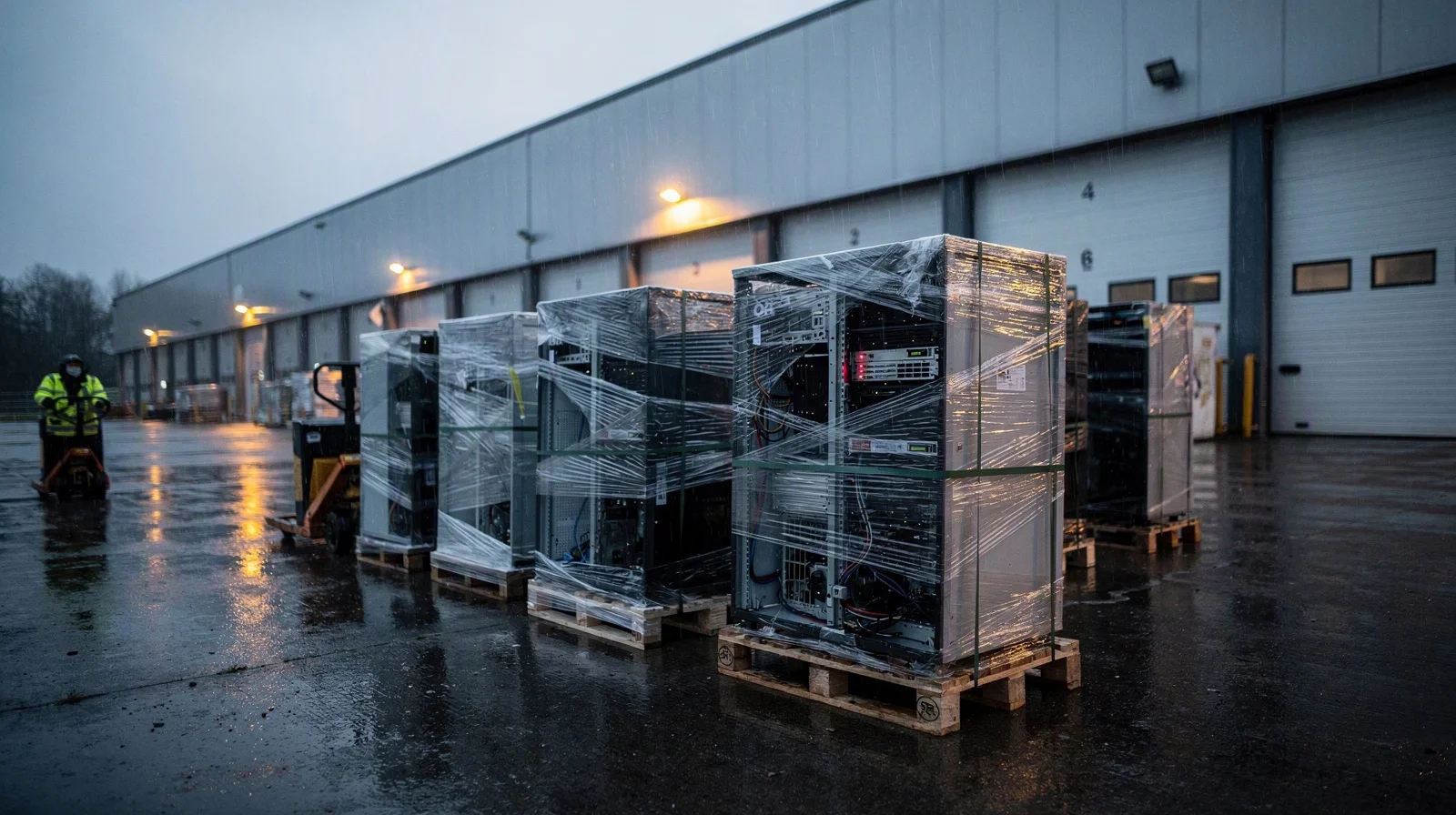
The proposed transaction would put thousands of Grace Blackwell chips inside an SPV financed with debt, with Amazon potentially retaining up to a 10% equity stake. The details remain unconfirmed, so this is not yet a completed deal or a template. But its economic logic is clear: retain compute access while releasing balance-sheet capacity for the next round of data centers, power contracts and accelerators.
The asset is no longer merely the chip
Aircraft leasing works because a valuable machine produces contracted revenue while its operator need not own it outright. The same premise is being tested for GPUs. Investors would not be betting on silicon resale value alone; they would be betting on Amazon’s lease payments and on the utilization of the compute behind them.
That makes the distinction between a GPU and a financeable infrastructure asset unusually important. GPUs depreciate quickly and face technological obsolescence. Data-center demand can be volatile. Any investor vehicle would need to price those risks, including the possibility that a newer generation of hardware arrives before the financing is fully amortized. The underwriting question is whether the tenant, workload demand and replacement economics make the cash flow more durable than the equipment.
PIMCO’s AI-capex real-rate thesis explains the wider backdrop. Hyperscalers are seeking vast pools of capital at the same time that they are competing for power, construction and equipment. Moving some hardware ownership to outside investors does not eliminate that capital demand. It distributes it.
A new buyer base for the machine layer
The report puts Amazon’s 2026 capital spending near $220 billion. It also cites borrowing by major technology companies that could reach $1 trillion by 2030. Against that scale, a GPU SPV is less a clever one-off than a possible signal that conventional corporate funding is becoming insufficiently flexible for the buildout’s pace.
Anthropic’s reported arrangement with Broadcom supplies a nearby example: supplier-backed financing tied to a multiyear leasing commitment. The structures differ, but both turn compute access into a contracted financial obligation rather than a simple upfront procurement decision. The physical bottlenecks behind AI are already drawing capital inward; ownership of the machines may be the next layer to change hands.
If Amazon completes the deal, the decisive test will be pricing. Low borrowing costs and strong utilization would validate GPUs as an infrastructure asset class. Higher required yields, strict collateral terms or reluctance from investors would reveal the opposite: that Wall Street still sees them as fast-aging technology equipment. Either outcome would give the market a clearer price for the financial risk inside the AI boom.
Continue reading


Sources
Tech Startups report citing the Financial Times on Amazon's proposed $8 billion Nvidia-chip vehicle; Reuters-reported Anthropic and Broadcom financing figures.


