

South Africa’s Gold Fields offered roughly A$38.7 billion for Australia’s Northern Star Resources on September 14; Northern Star’s board rejected the approach on September 28, and shares jumped anyway. The headline is M&A drama, but the bid arithmetic points at a deeper squeeze: at today’s gold prices it can be cheaper to buy a neighbor’s ore body than to discover and permit another decade-long mine.
On Monday, Northern Star Resources told the Australian market what traders had already guessed: it had received, considered, and rejected a confidential takeover proposal from Johannesburg-listed Gold Fields. The offer, dated September 14, would have paid Northern Star holders 0.3125 Gold Fields shares plus A$7.25 cash for each share—an implied A$27.00 price and A$38.7 billion equity value using Gold Fields’ September 11 close, a 22 percent premium to Northern Star’s last trade before the letter arrived. By Friday’s close the scrip leg had softened; the same formula implied about A$25.19 and A$36.1 billion. Northern Star shares still rose more than nine percent after the rejection, a tell that investors are pricing a higher bid—or at least a longer fight—not a quiet retreat.
Board chairman Michael Chaney framed the no as valuation and timing, not geology. Gold Fields, he said, was trying to buy “one of the world’s premier gold portfolios” at a price below intrinsic value and “at a highly opportunistic time,” just as the Fimiston mill ramps and a new chief executive arrives. Roughly three-quarters of the consideration was equity in a South African parent—a jurisdictional swap Northern Star argued its holders should not be forced to accept without a better price. Gold Fields, for its part, said it would take its case directly to shareholders after Northern Star declined further talks on September 25.
Strip away the governance language and the industrial logic is blunt. Gold Fields pitched a combination producing about 4.1 million ounces over the twelve months to June 2026—enough, it said, to make the merged group the world’s second-largest gold producer—with 77 million ounces of ore reserves and 181 million ounces of mineral resources on disclosed bases. The premium it offered is measured in dollars per share; the prize it wants is measured in meters between pits and mills. Gold Fields asserts that eight of Australia’s twenty largest gold mines sit inside a 280-kilometer radius, and that 92 percent of Northern Star’s relevant Australian reserves (excluding the Hemi project) lie within 100 kilometers of Gold Fields processing infrastructure. It estimates US$4–5 billion of post-tax synergies from haulage, grade blending, procurement, and corporate overlap—numbers built from public filings, not a dataroom, and flagged as preliminary in its SEC disclosure.
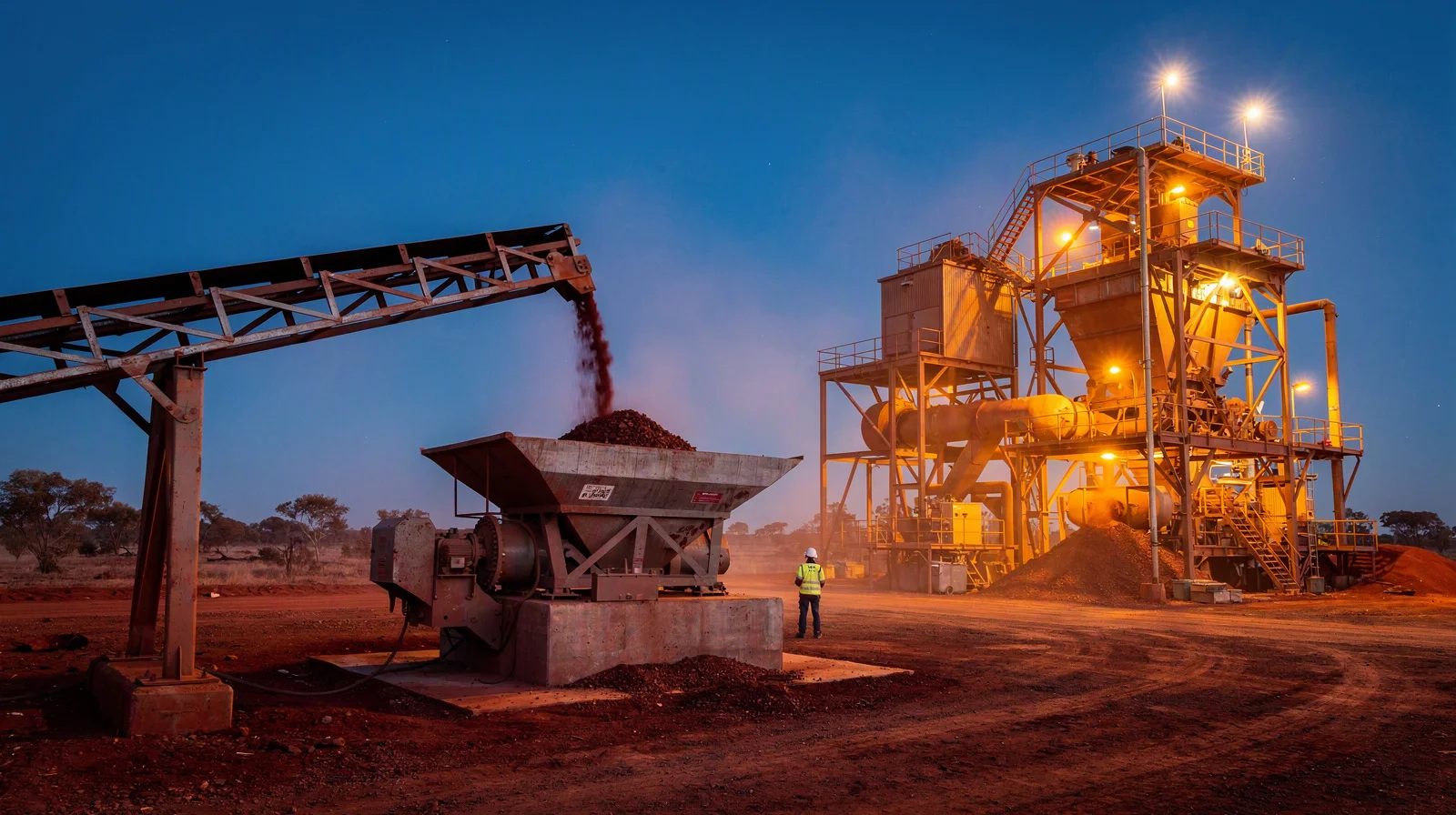
That geography is why the story is not merely “bid rejected.” In a cycle of elevated gold prices—part of the broader official-sector and investor bid described in our gold reserves piece—the marginal ounce is not always the ounce you mine next. It is sometimes the ounce already permitted, already wired to power and water, already sitting on a haul road that ends at your crusher. Discovering a new deposit can take a decade of drilling, environmental review, and capital commitments that commodity volatility can repricing overnight. Buying a listed neighbor converts exploration risk into integration risk—and when two portfolios overlap in the Eastern Goldfields around Kalgoorlie, integration risk can look almost like engineering.
Northern Star’s rebuttal is the mirror image: if ore beside your plant is that valuable, the seller’s board should not part with it at a scrip-heavy price that sags with the bidder’s home market. Activist investor Elliott has publicly argued that serious proposals deserve engagement; Northern Star’s unanimous rejection closes the door to management talks but not necessarily to shareholder pressure. Gold Fields scheduled an investor presentation for Monday afternoon Australian time—classic post-rejection choreography, similar in form if not scale to other consolidation waves where strategic buyers chase scarce assets rather than build them.
For capital allocators the lesson sits between the bid premium and the synergy slide deck. Spot gold can rise on macro fear; tier-one ore bodies in stable jurisdictions do not multiply on demand. When majors pay up, they are often paying to shorten the pipeline from rock to bar—not to acquire metal exposure they could buy on an exchange. Northern Star’s jump after saying no suggests the market agrees the portfolio is worth more than the first envelope. Whether Gold Fields raises its offer or walks away, the contour of Western Australia’s pit map is now public: consolidation is not only about scale, it is about who controls the next truckload delivered to an existing mill gate.
If you hold gold miners, watch distance-to-mill metrics and synergy claims as closely as reserve grades—the next contested takeover may be won on haulage spreadsheets, not headline ounces.
Continue reading


Sources
Northern Star ASX announcement (28 September 2026); Gold Fields SENS and Form 6-K statements; Business Day and Australian Financial Review reporting; CNBC market coverage.


