

The Bank of Korea raised the base rate 25 basis points to 3 percent, a second consecutive hike. The same meeting lifted the 2026 growth forecast to 3.3 percent from 2.6 percent in May. Headline inflation was left at 2.7 percent. Core was not.
The Monetary Policy Board moved the Base Rate from 2.75 percent to 3 percent, the second consecutive 25-basis-point increase and the highest setting since January 2025. Six members voted for the hike. Hwang Kunil wanted a hold. Consumer prices rose 2.8 percent in July, still above the 2 percent target. Core inflation, stripping food and energy, printed 2.6 percent — the firmest since December 2023.
That is the wire’s inflation story, and it is incomplete. In the same session the Bank raised this year’s growth forecast to 3.3 percent from 2.6 percent in May, and next year’s to 2.9 percent from 2.1 percent. Headline CPI was left at 2.7 percent for 2026 and 2.3 percent for 2027, unchanged from May. Core was lifted to 2.5 percent in both years. If above-target inflation were the whole reason for tightening, the growth upgrade would be an embarrassment. It is the reason.
The statement already names the channel
The Board’s text is unusually explicit. Growth has been “stronger than expected,” led by exports and investment. Going forward, “exports and investment sustain their high growth on the back of a strong semiconductor sector” and “the recovery in consumption gradually accelerates, supported by improving income conditions.” That is the 3.3 percent. It is not a transcription of a government talking point. It is a 0.7-point revision from the Bank’s own May outlook, the largest such lift since the post-pandemic rebound.
July’s mix already showed the split. Headline eased as petroleum and farm prices slowed. Core rose on personal services and durable goods — the categories that move when incomes improve, not when a tanker is late. Short-term inflation expectations among the public stayed in the upper 2 percent range. The Board’s inflation paragraph then repeats the income line: cost pass-through persists, and “demand-side pressures also gradually increase with improving income conditions.”
They did not hike because they raised the CPI forecast. They hiked because they raised the growth forecast and saw it leaking into core.
Governor Shin Hyun-song called the sequence preemptive: act before those pressures become “widespread.” That is a persistence argument, not a catch-up to last month’s print. The 3.3 percent figure is therefore not a contradiction of tightening. It is the demand shock the hike is trying to keep from embedding. Nvidia’s last historic print already showed how large the AI capex check still is. Seoul’s memory corridor is the physical end of that check.
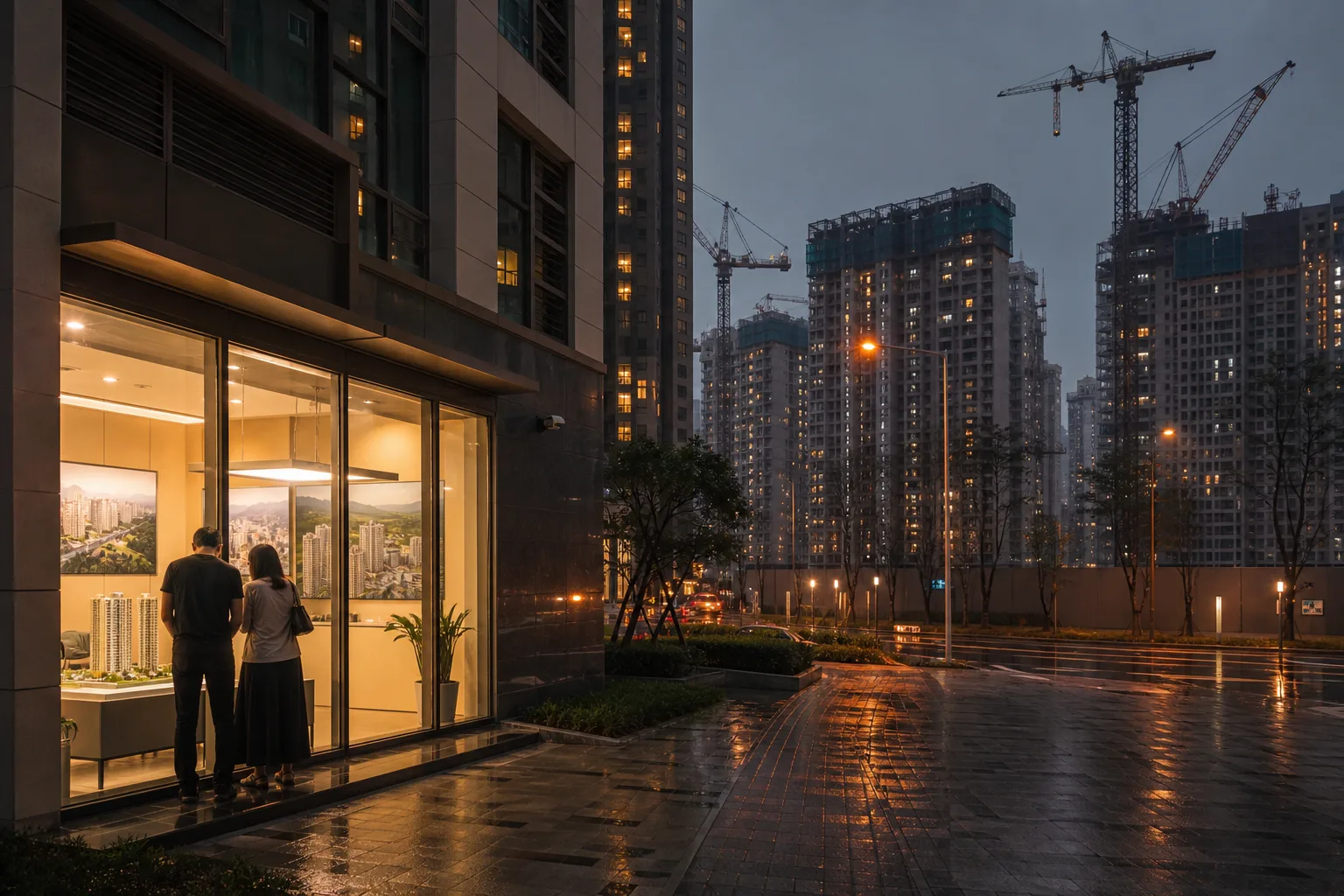
What a chip boom does not automatically stabilize
Financial stability sat in the same paragraph as inflation. Housing prices in Seoul and the surrounding area “continued to increase at a high pace” and household loans “increased substantially.” The won had strengthened as foreign equity outflows moderated. Semiconductor stocks had sold off hard, then partially recovered — a reminder that KOSPI is already a leveraged DRAM derivative, and that Yeouido now prices the global AI pre-market. A rate that cools apartment credit can still leave the export engine running. That is the imbalance the Bank listed as an uncertainty: how far the semiconductor expansion spills into domestic demand, plus the Middle East and the trade regime.
Customs prints make the external leg hard to argue with. July semiconductor exports were reported up more than 170 percent year on year. The residual is whether that income reaches the CPI basket as wages and services, or stays in GDI and capital expenditure. The Board is betting it reaches. Hwang’s dissent is the other bet: that domestic demand is not yet broad enough to justify a second consecutive move.
What still gets mis-priced is a model that treats Korean rates as a function of headline CPI alone, or treats a growth upgrade as dovish. Thursday’s package is the opposite: higher real activity, unchanged headline, higher core, open talk of further increases, and a six-month board chart that Governor Shin read as another move toward 3.25 percent, with timing left to October data — including second-quarter nominal GDP.
The claim to test is in the next CPI and the next Outlook table. If core in personal services and durables cools while semiconductor exports stay strong, the income-spillover channel is weaker than Thursday’s statement, and Hwang’s hold looks cheaper. If core stays at or above 2.6 percent as GDI and employment in services keep rising, the 3.3 percent growth print and the 3 percent policy rate were the same decision, written twice.
Continue reading


Sources
Bank of Korea Monetary Policy Board statement of Aug. 27, 2026, as published in full by Yonhap (rate 2.75% to 3%; 2026/27 growth 3.3%/2.9% vs May 2.6%/2.1%; CPI 2.7%/2.3% unchanged; core 2.5%/2.5% vs May 2.4%/2.3%; July CPI 2.8%, core 2.6%; 6–1 vote, Hwang Kunil dissenting); contemporaneous Yonhap and Asia Business Daily coverage of Governor Shin Hyun-song and Customs Service semiconductor export prints.


