

Cable news still sorts the Middle East into Hormuz tankers, Houthi missiles, and Netanyahu’s courtroom calendar. A more useful frame treats them as one constrained system: Western interceptors and political bandwidth are finite, shocks propagate across theaters, and the data often disagree with the story everyone retells. Early October reporting describes Patriot stocks drawn down for Gulf operations while Ukraine faces heavy Russian ballistic volume with a thinner magazine; Tehran is reportedly seeking jet-powered Geran-type drones from Moscow—the reverse of the 2022 blueprint trade. Oil trades above $100 while some transit trackers show partial recovery—so Iran is fighting to re-tighten a noose, not merely defend it. The interesting deviations are second-order: electoral timing in Washington, SPR cushions running thin, satellite work at Minzadayi, and Germany’s warning that Russia’s shadow war may outlast Ukraine.
Washington — You already know the surface map. Hormuz is dangerous again. Crude clears $100. A suspected Houthi strike on King Khalid International Airport in Riyadh reportedly killed 12 people and wounded more than 300, shuttering Saudi Arabia’s main international hub and pushing schools online. UK maritime authorities have logged fresh warnings and strikes near the UAE and inside the strait. The U.S. has circulated footage of a fighter jet disabling a cargo ship’s propulsion in the Gulf of Oman as part of enforcing a naval blockade on Iran’s southern ports. Israel’s former attorney general is back on the witness stand in Benjamin Netanyahu’s corruption trial while national elections loom October 27. Ukraine diplomacy is, once more, out of sync with Washington: President Donald Trump floated a partial ceasefire tied to energy infrastructure; President Volodymyr Zelenskyy said the deal was “news to me.”
That inventory is the mean. It is also why it fails as analysis. The useful question is not what happened Saturday, but what is coupled: which inventories are emptying, which narratives from March no longer fit October, and where the quiet data contradict the loudest headline.
One system, four beats
Treat Iran, the Red Sea / Yemen, Ukraine, and Russia as separate folders only if you believe interceptors, escort task forces, and Oval Office attention are unlimited. They are not.
Early October reporting describes Patriot stocks drawn down for Gulf operations at the same moment Ukraine faces sustained Russian ballistic volume with a thinner air-defense magazine—a tension Culled flagged when Kyiv’s interceptor crisis was about rationing PAC-3 rounds, not broken doctrine. The Gulf draw is the same ledger in a different theater: every launch in the Arabian Sea is a round not stored outside Kyiv or Warsaw.
The Iran–Russia technology flow has also inverted. In 2022 the story was Iranian drone blueprints shipped toward Tatarstan. Autumn 2026 reporting points the opposite way—Tehran seeking jet-powered Geran-type systems from Moscow. Any U.S.–Iran “deal” is no longer bilateral; it runs through Moscow’s supply chain and its mediation ambitions. That is a structural shift easy to miss if you still file Ukraine under “Europe” and Hormuz under “energy.”
On the maritime side, September brought a sharp Houthi territorial push—positions around Mocha, Perim, Hanish, and related nodes—not only missile theatrics but an attempt to hold both ends of the Gulf–Suez corridor together with Hormuz pressure. The deviation is not “shipping is risky again.” After years of pricing Red Sea disruption as a containable premium, geography of control is reasserting itself. Culled’s Hormuz labor-market reporting adds the human floor: flows can partially recover while captains, insurers, and charterers stack hazard pay high enough to look like a separate economy.
Attrition without a terminal state
March’s narrative was quick victory: strikes, succession crisis, Hormuz as bargaining chip. October looks more like high-intensity attrition without a durable ceasefire, without a regime-collapse story that stuck, and with Hormuz still a lever Tehran can tighten or loosen.
Analysts have noted an ironic reversal: Israel acting as the revisionist power reshaping borders—from Lebanon and Syria to Gaza—while Iran looks more like a status-quo actor clawing back leverage through the strait and allied fires than an ideologue expanding territory. Inside Israel, Yair Golan’s argument—that killing Ali Khamenei was a strategic error because succession produced a more radical, less negotiable leadership—remains a minority view. It still names the deviation from “decapitation solves it,” the assumption that dominated spring cable panels.
Washington’s calendar as strategy
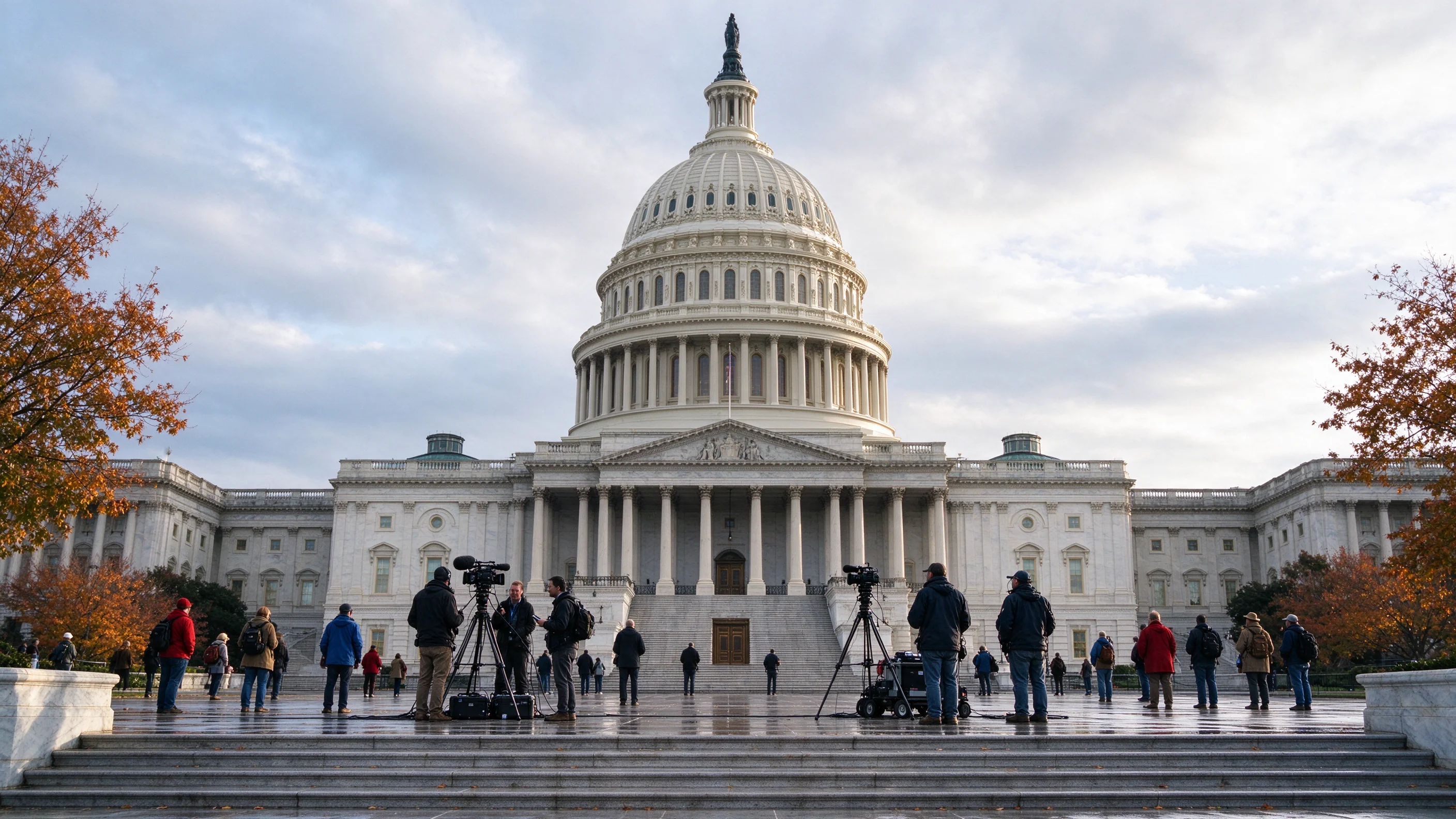
A pattern matters more than any single strike headline: pre-midterm restraint on Iran bombing paired with reporting that the Pentagon has been asked for options for a large post-election campaign. Whether you treat that as leak politics or real planning, the structural point is identical—the time axis of U.S. force application may be electoral, not military. Tehran gets a maneuver window measured in weeks; markets and Gulf allies can price that explicitly. U.S. midterms land November 3, and many diplomats already tie quiet periods and escalation spikes to that calendar.
The smaller October 9 Russia diesel-export story carries a large diplomatic signal: it reportedly cut short a Miami round where Ukraine, the U.S., E3, EC, and NATO had been aligned on winter prep, territory, and guarantees. Kyiv was not consulted; European capitals were openly irritated. The deviation is not “Trump likes Putin.” It is coupling Ukraine negotiations to Middle East exhaustion and giving Moscow a card in both theaters at once—another reason to read Ukraine headlines beside Hormuz, not after them.
Energy: two truths at once
Headline truth: oil above $100, Hormuz dangerous. Deviation truth: flows partially recovered—on the order of roughly 80% of pre-war transit in some trackers—so Iran is now fighting to re-tighten the noose, not merely defend it.
The operational metric that cuts through public relations is extremes: days with only a handful of transits against a pre-war norm on the order of 85 commercial movements daily. Insurance and masters’ go/no-go decisions move faster than mine counts. Culled’s October reporting already documented the stacked invoice—danger pay, war-risk premiums, record freight—keeping barrels moving through a labor market for risk, not through prewar logistics.
The under-discussed cushion is strategic stocks. Western emergency releases were heavy earlier in the cycle; industry voices warn there is little left to throw at the problem, with the U.S. SPR at multi-decade lows while China still holds the dominant private strategic pile. The war’s macro insult is geographically uneven: UN mid-year work shows West Asia growth collapsing, Europe and the UK especially exposed on imported energy, China buffered by mix and reserves, much of Africa and Latin America only modestly hit on average—a map of pain that does not match a uniform “global recession” story.
Proliferation off the front page
While the strait dominates cable, satellite work on Minzadayi—northeast of Tehran, a site Israel struck in March as nuclear-weapons-related—shows cleanup, earth-moving, and vehicle traffic again in September and October. That is a deviation from “we bombed the program into a decade of rollback.” It parallels reporting on renewed construction at other buried sites. The interesting question is not whether a weapon is imminent; it is whether the war’s stated nonproliferation theory is falsifying in slow motion while everyone debates tanker routes. Culled’s uranium and Doha diplomacy piece treated enrichment and mediation as the same board; Minzadayi is the physical countermove on that board.
Saudi Arabia and the Houthis: escalation off the water
The Riyadh airport attack shifts the Gulf story from maritime premiums to homeland vulnerability. Saudi Arabia blamed Iran-aligned Houthis; the Saudi-led coalition vowed retaliation; Houthi leadership warned airlines and passengers to avoid Saudi airports. Trump said the U.S. was weighing whether to join military action against the Houthis and planned to speak with the Saudi crown prince—another demand on the same finite attention and munitions budget.
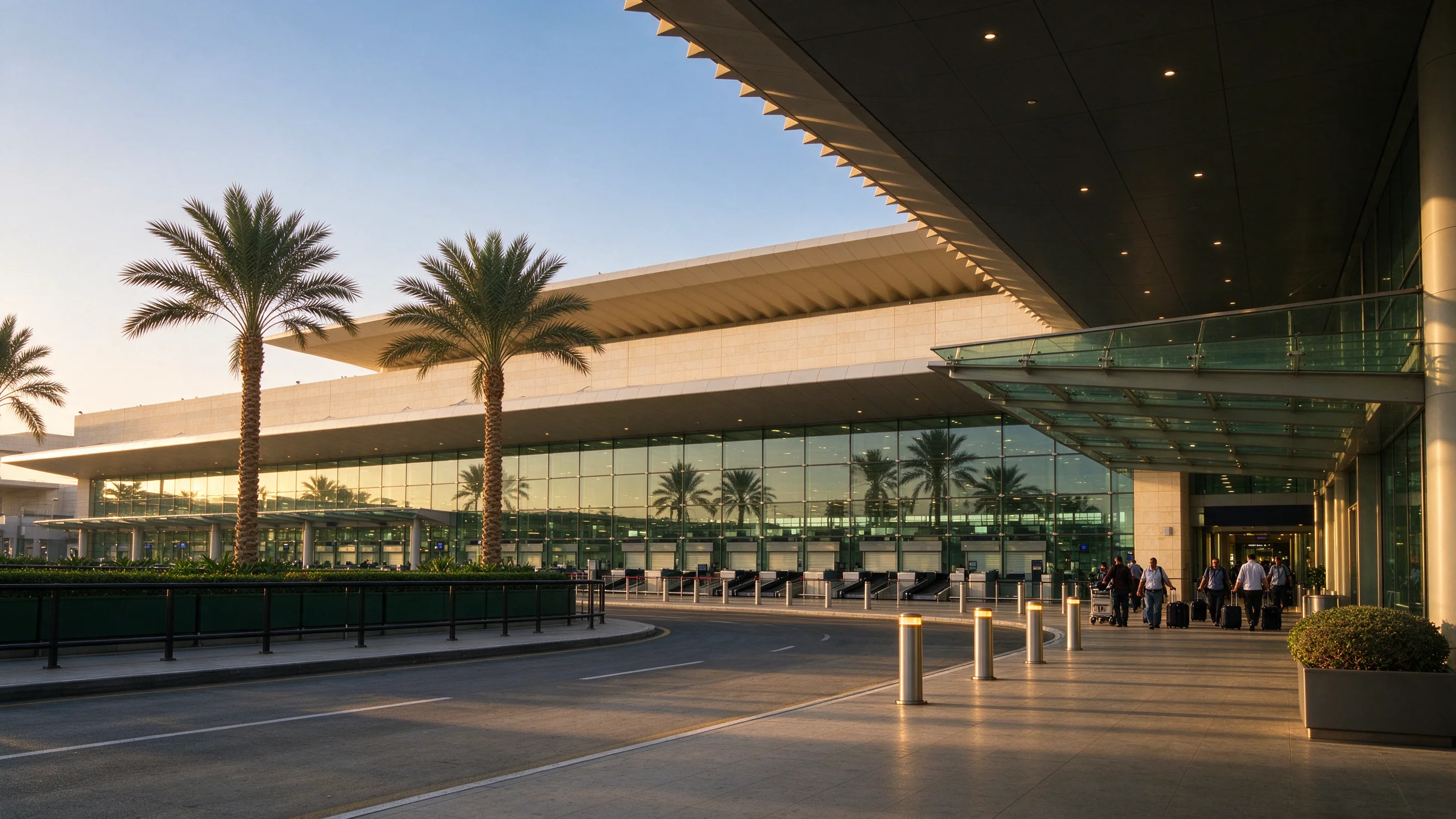
Airport closure is a labor and logistics shock as much as a casualty count: crews, insurers, and travelers reprice Saudi hubs the way mariners reprice Hormuz—through availability, not only price.
Europe’s other war
Germany’s BND chief and aligned reporting converge on a blunt claim: Russia is fighting a shadow war—sabotage, drones, cyber—where NATO’s classic invasion deterrence is strong and sub-threshold defense is weak. The front line metaphor is shifting into German infrastructure, with the explicit warning that this may not end when Ukraine ends. That is a category change: managing a permanent hybrid condition versus waiting for a peace dividend. It belongs in the same system diagram as Patriot drawdowns: eastern-flank armor can stay polished while the magazine for everyday sabotage response does not.
Macro: resilience without equilibrium
IMF- and UNCTAD-style work this fall argues the global economy is in a regime transition, not a cyclical dip: trade has held up better than war fears suggested, but on a narrow base—AI and datacenter hardware is a dominant slice of merchandise trade growth—while official development assistance falls, portfolio-flow volatility rises, and r−g is less forgiving with sovereign debt near post–World War II highs. The deviation from 2022 is instructive: this energy shock hits amid weaker labor markets and more financial fragility, not pent-up reopening demand—so the same oil price does different political work.
What would falsify this frame
Analytical pieces should carry exit ramps. This coupling story weakens if:
- Post-election U.S. strike planning proves to have been threat inflation, and Gulf munitions expenditure returns to pre-war replenishment curves without touching Ukraine’s magazine.
- Hormuz transit extremes converge back toward pre-war daily counts without sustained hazard pay and war-risk premiums collapsing in parallel—suggesting a genuine logistics normalization, not counting games.
- Minzadayi and peer sites go dormant on commercial satellite timelines while enrichment diplomacy produces verifiable limits—not just press releases.
- Moscow’s mediation bid fails to translate into durable supply-chain leverage over Tehran’s strike options.
It strengthens if interceptor depletion and SPR thinness bind simultaneously, if Houthi territorial holds persist alongside Hormuz pressure, and if hybrid incidents in NATO core economies accelerate while summits still fund platforms over magazines.
Footnotes beyond the cannonade
Two quiet deviations worth filing while the feed stays on fire: MeerKAT radio-astronomy work reportedly achieved cosmological hydrogen intensity mapping without leaning on optical galaxy catalogs—a methodological unlock people will cite for years. Clinically, an AI-designed PET tracer reaching first-in-human for PARP-1 is a different capability story than LLM chatter: model output crossing into regulated human dosing.
What to watch that is interesting, not loud
- Whether post-election U.S. strike planning is operational or narrative leverage.
- Interceptor and SPR depletion as binding constraints—not rhetorical ones.
- Minzadayi-type sites versus strait rhetoric on proliferation.
- Moscow’s bid to own mediation and missile leverage across Iran and Ukraine.
- NATO’s hybrid gap widening while eastern-flank armor stays parade-ready.
The mean will keep updating daily. The structure—shared magazines, electoral timing, uneven energy pain, slow-motion proliferation data—is what will still matter when today’s headlines age off the chyron.
Continue reading


Sources
UK Maritime Trade Operations and UKMTO advisories October 2026; U.S. Defense Department Gulf enforcement footage; Saudi and Houthi statements on King Khalid International Airport; reporting on Patriot allocation and Iran–Russia drone technology flows; transit and insurance market trackers cited in Culled Hormuz coverage; satellite imagery analysis on Minzadayi and buried Iranian sites; Germany BND hybrid-threat assessments; IMF and UNCTAD fall 2026 macro work; Russia–U.S. diesel diplomacy reporting October 9, 2026.


