

President Trump framed Mesabi Metallics' $18 billion Midwest steel plan as proof that tariffs are pulling heavy industry home. The sponsor is Essar — a group that burned through the last commodities boom, lost its steel business, and spent a decade digging out of leverage. That pedigree turns a headline about Indian capital into a question about who underwrites industrial returns when trade policy is the moat.
On September 28, President Trump stood with Mesabi Metallics executives to advertise an $18 billion bet on American steel: roughly $15 billion for an integrated complex in Lee County, Iowa, atop $3 billion already committed to finish an iron ore mine and pellet plant in Nashwauk, Minnesota. The Financial Times and trade press framed it as India investing in U.S. heavy industry. That headline misses the mechanism.
The sponsor is Essar Group, the Indian conglomerate that rode the last great commodities cycle up, borrowed heavily, lost its steel assets, and spent years restructuring after Essar Steel Minnesota filed for Chapter 11 in 2016 when it could not raise enough money to finish the mine. Mesabi Metallics is the successor vehicle. Essar is not arriving as a fresh multinational allocator. It is returning to steel through the one market where Washington is actively rewriting the price of entry.
When the moat is policy, the asset is protected
Trump’s pitch is straightforward: tariffs and “America First” industrial policy are repatriating plants globalization exported. Iowa’s Republican legislature agreed in a special session, passing a package worth up to $1.36 billion in tax credits and sales-tax relief tied to benchmarks — jobs, wages, and an operating plant before credits flow. Governor Kim Reynolds signed it the same night.
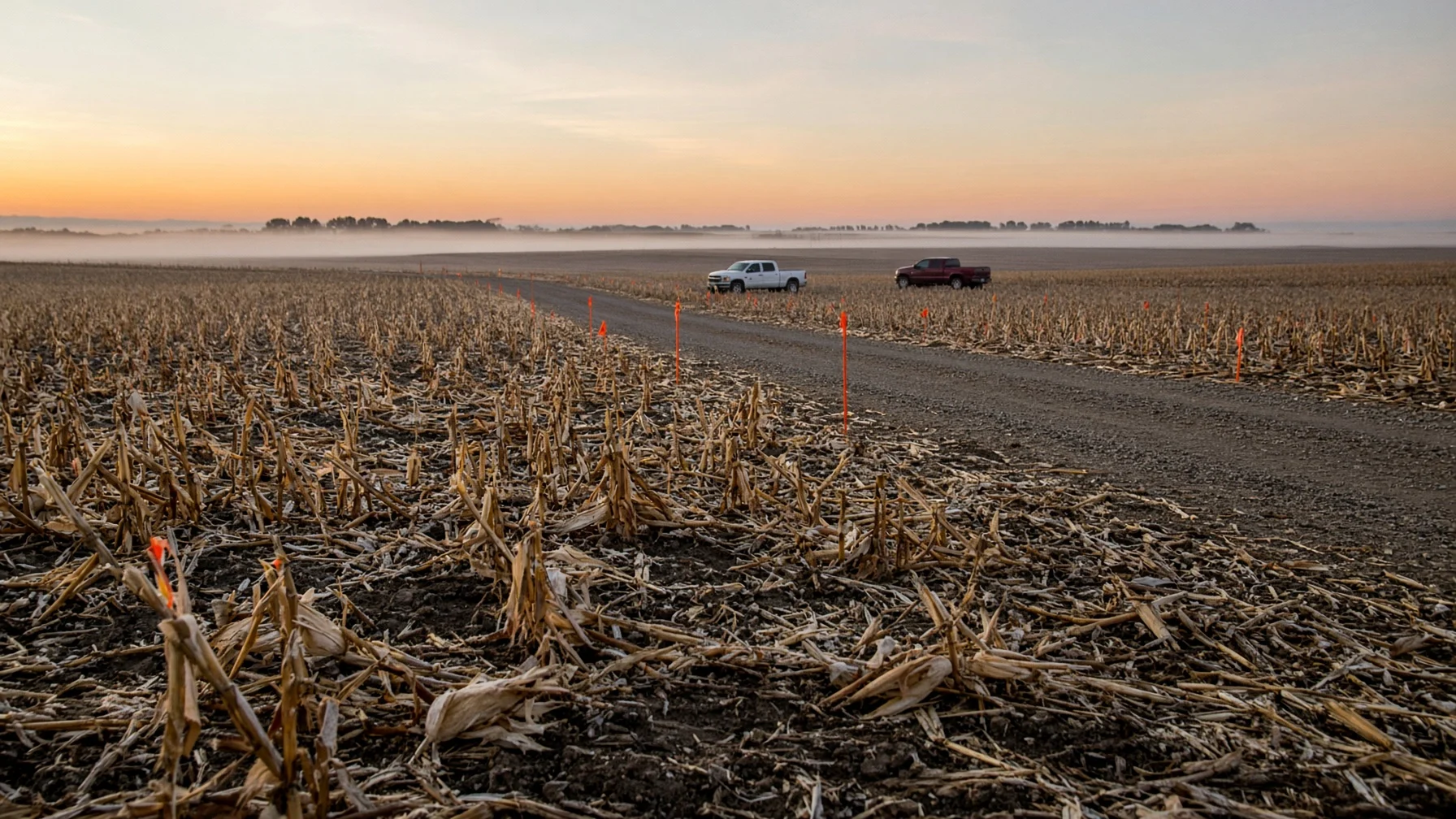
Even with that envelope, Radio Iowa and state officials were careful about the residual risk. Mesabi still needs financing, environmental permits, a firm site commitment on roughly 2,000 acres in southeast Iowa, and Iowa Economic Development Authority board approval of a final contract. The White House ceremony is not a balance sheet. It is a signal to capital that steel made from Minnesota Patriot Pellet and melted in Iowa electric-arc furnaces can be sold as a fully domestic chain — mining, melt, and finished goods inside the tariff perimeter.
That is where the Culled question sits. If a $15 billion mill only clears hurdle rates because Section 232-style protection raises domestic prices and state credits lower the cost of capital, the project is not merely “industrial revival.” It is the minting of an economically protected asset class — plants whose cash flows are underwritten by trade barriers and political continuity.
Essar’s CEO-facing message, repeated in Iowa hearings, is that DR-grade pellets plus Midwest logistics can compete globally. Maybe. But the timing — mine completion, tariff rhetoric at full volume, and a MEGA-scale incentive chase — tells you what marginal investor is being courted: capital willing to bet that duties and subsidies outlast the next election cycle.
Who moves next, and on what terms
The portfolio question is larger than one mill. Private equity, infrastructure funds, and strategic buyers are watching whether returns on reshoring are real operating alpha or policy beta — exposure to whatever rate the Commerce Department sets on steel and aluminum, whether transformer and shipbuilding waivers hold, and whether critical-mineral processing credits survive reconciliation.
Steel may be the opening trade. The same logic applies wherever China cost curves once cleared the market and Washington now wants domestic nameplate capacity: aluminum, grid transformers, batteries, semiconductors, rare-earth separation. Each sector will mix tariffs, tax credits, and offtake guarantees differently, but the structure rhymes: capital stacks that treat the tariff wall as collateral.
For Essar, the story is personal redemption dressed in geopolitics — finish the mine it could not afford in 2016, bolt on a melt shop sized for 7.5 million tons annually by 2030, and call it the largest single-location integrated steel investment in U.S. history. For allocators, the story is whether those assets trade like factories or like bonds indexed to trade policy.
A second front to watch (not the lead yet)
Separately, Bloomberg has been tracking Saudi-led claims of territorial gains against Houthis in Yemen while Brent stays elevated and Red Sea shipping remains stressed. That thread could quickly connect Hormuz risk, freight insurance, and Riyadh’s appetite to reopen sea lanes by force while Washington focuses on Iran — material we flagged around earlier Camp David reporting. One more reporting cycle is prudent before elevating it above the industrial-policy beat; the steel headline is the confirmed capital-markets pivot for today.
Sources: Mesabi Metallics company release (Sept. 28, 2026); Engineering News-Record; Financial Times coverage of Essar and U.S. steel reshoring; Radio Iowa and Iowa Public Radio on incentive legislation and remaining deal conditions; Bloomberg on Yemen and Red Sea shipping (developing).
Continue reading


Sources
Mesabi Metallics and White House announcement (Sept. 28, 2026); Financial Times and ENR reporting on Essar sponsorship and project scale; Radio Iowa and Iowa Public Radio on incentive legislation and remaining milestones; company materials on Nashwauk mine and Patriot Pellet.


