
Defining Analysis

Iran MOU Markets Priced Peace, Risks Remain
Trump and Pezeshkian signed a fourteen-point memorandum ending four months of war, sending Brent crude below eighty dollars and global equities higher. Markets are celebrating a reopening that has not yet materialized — Hormuz traffic remains cautious, Israel is excluded, and implementation talks begin Friday in Switzerland.
Most Relevant Right Now

The Market Priced In Peace
Ten days into a fragile Iran ceasefire, the S&P 500 has surged to all-time highs, erasing every dollar lost since the war began. Oil has crashed twice. Earnings are beating. But the Strait of Hormuz is still barely open, enrichment talks have collapsed, and the IMF just cut global growth. The market is pricing a resolution that does not yet exist — and the bet is either brilliant or catastrophic.
The Accidental Climate Lever Nobody Asked For
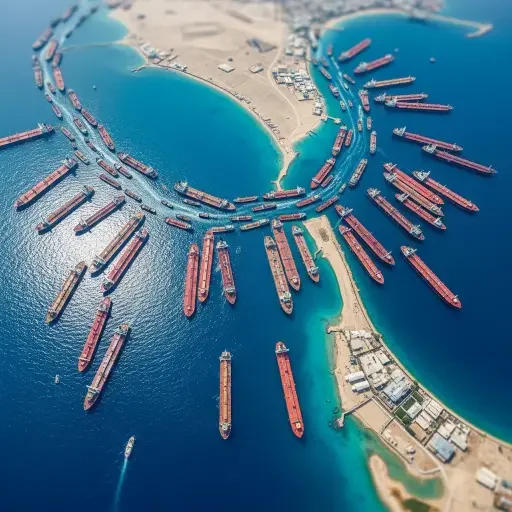
The 2026 Strait of Hormuz crisis has done what a decade of climate summits could not: make renewable energy adoption feel urgent, cheap, and rational to governments that previously dismissed it as idealism. The geopolitics are catastrophic. The climate arithmetic may be transformative.
Israel Hits South Pars; Brent Settles at $109
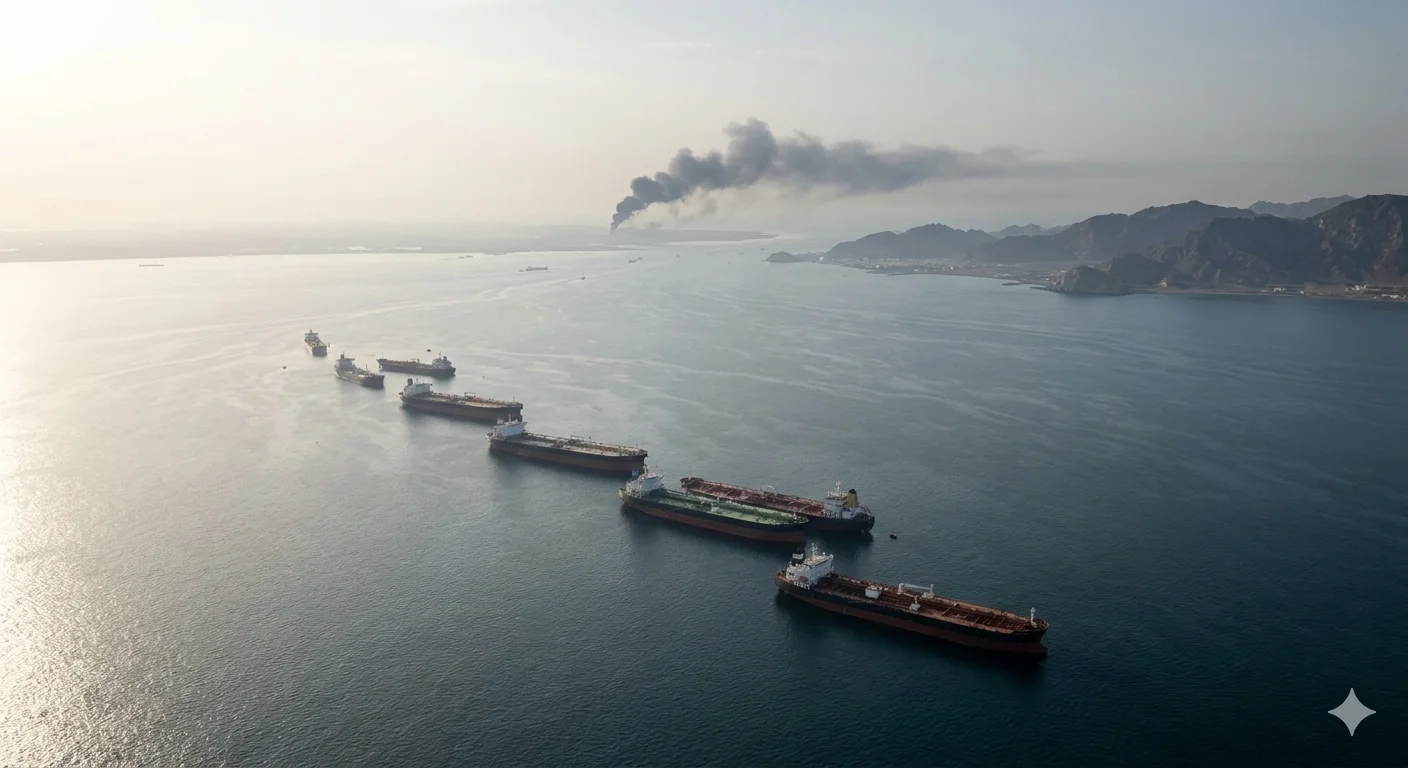
Israel struck Iran's South Pars natural gas field Wednesday, triggering immediate Iranian retaliation against Gulf energy infrastructure. Brent crude spiked to $118 before settling at $109—its highest close since July 2022—as the Strait of Hormuz remains effectively sealed, threatening a supply shock that emergency reserves cannot fix.
Iraq Shuts Its Largest Oil Fields as Storage Hits Capacity
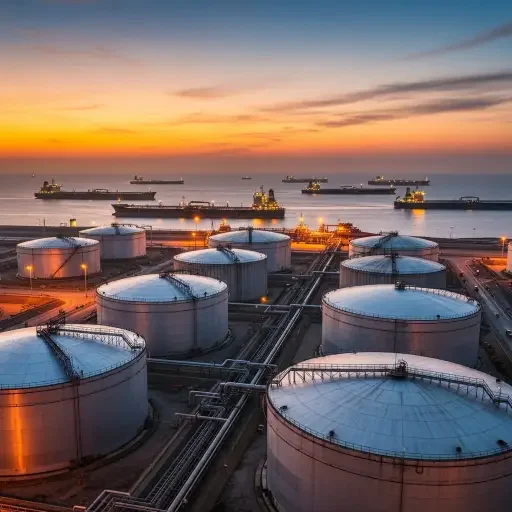
Iraq has begun shutting production at its three largest oil fields — Rumaila, West Qurna 2, and Maysan — cutting 1.5 million barrels per day and facing cuts exceeding 3 million bpd within days. The cause is not military damage but storage overflow: with the Strait of Hormuz effectively closed, tankers cannot load and crude has nowhere to go.
The World Is Building a Trade System Without America
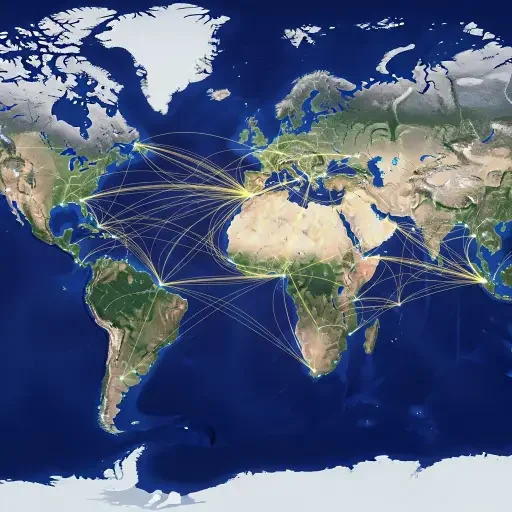
The European Union and the 12-nation CPTPP bloc are negotiating what could become the largest trade alliance in history. Led by Canada and catalyzed by U.S. tariff escalation, the emerging structure threatens to reroute global supply chains permanently around the United States.

Cuba's Grid Collapse Is a Blockade by Design
A U.S. oil blockade — the first effective naval interdiction of Cuba since 1962 — has severed roughly half the island's fuel supply, collapsing its electrical grid and pushing hospitals, transport, and food distribution toward failure. The policy is explicit: regime change by energy deprivation.
How Iran Closed Hormuz With Drones, Not Warships
Iran achieved what decades of military doctrine deemed impossible — shutting the Strait of Hormuz without a single naval blockade vessel. By deploying cheap drones near commercial shipping lanes, Tehran triggered insurance cancellations that collapsed tanker traffic 91% in five days, creating the worst energy chokepoint crisis since the 1973 embargo.
The World Reorders Itself, and Markets Notice
The post-Cold War order is being actively dismantled across five simultaneous fronts: alliance fragmentation, nuclear rearmament, intelligence disruption, trade weaponization, and a Middle East flashpoint that threatens energy markets. Each trend compounds the others. Together, they are repricing the cost of geopolitical stability for a generation.
Trump Tariffs Target NATO Allies Over Greenland
President Trump announced 10% tariffs on Denmark, Germany, France, the UK, and four other NATO members starting February 1, escalating to 25% by June unless the US acquires Greenland. The move follows Operation Arctic Endurance, a Danish-led military exercise that deployed European troops to the Arctic territory this week, marking the first instance of a NATO ally threatening punitive economic measures against partners for collective defense activities.
Gold Displaces Dollar as Central Banks Shift Reserves
Gold's 65 percent rally in 2025—the strongest annual performance since 1979—reflects a fundamental reorganization of global monetary reserves as central banks pursue sustained diversification away from dollar-denominated assets. The milestone crossing of Treasury holdings validates a multi-year structural shift, even as record prices create demand destruction in consumer markets that historically absorbed 40 percent of physical gold consumption.