

King Khalid International Airport absorbed the deadliest strike on Saudi soil in more than a decade this weekend, yet the binding question for Vision 2030 is arithmetic. Inexpensive Houthi drones and missiles can force defenders to fire Patriot-class interceptors worth millions each, and Wall Street Journal reporting now describes depleted magazines and redeployed batteries—claims Riyadh has not confirmed but that fit a wider Gulf interceptor crunch Culled has traced from Kyiv to Hormuz.
Riyadh — The story that moved markets this weekend was not another tanker near Hormuz. It was a passenger terminal.
Saudi Arabia’s General Authority of Civil Aviation said a strike on King Khalid International Airport on Saturday killed twelve people and wounded 309, including travelers in critical condition, then suspended operations while damage was assessed. The attack was the third on the capital’s main aviation hub in a week that had already killed four people there, damaged a Saudia aircraft on the ground, and spread fear across a network that includes Abha and, according to coalition statements, facilities in Dammam and Al-Kharj. Houthis later claimed responsibility and renewed warnings for carriers to avoid Saudi airports—treating civil aviation as a lever, not a sideshow.
That is the visible crisis. The structural one is whether Saudi Arabia can afford, in both money and munitions, to keep answering.
The exchange rate defenders hate
Modern air defense is a pricing problem dressed in camouflage. Open-source defense economics have long described Patriot PAC-3 interceptors as multimillion-dollar rounds fired against drones and cruise weapons that cost orders of magnitude less. The attacker does not need a kill on every sortie. It needs enough salvos to force the defender to spend down a finite magazine—or to hesitate.
That asymmetry is not theoretical in the Gulf anymore. Culled’s interceptor crisis reporting followed Kyiv when rationed PAC-3 stocks, not failed doctrine, left ballistic missiles unanswered. The finite-magazine frame treats Ukraine, Hormuz, and Riyadh as one ledger: a round committed over the Arabian Sea is a round that never sits in a magazine elsewhere.
On Sunday, outlets summarized Wall Street Journal reporting that Saudi Arabia is running short of interceptor missiles and other air-defense capacity after sustained Houthi fire, forcing redeployment of batteries and leaving gaps over lower-priority—but still economic—infrastructure. Riyadh has not issued a public inventory statement; treat the shortage as reported, not verified, while still weighing why the claim resonates. Earlier in the war, Reuters cited officials describing an eighty-six percent drawdown in Saudi PAC-3 stocks—roughly four hundred rounds left from a prewar magazine near twenty-eight hundred—during weeks of high-volume Iranian and proxy strikes. Washington approved additional Gulf sales in January, but approval is not delivery, and production lines remain the choke point NATO summits keep underfunding.
From runways to balance sheets
Closing KKIA is more than a casualty count. It is a connectivity shock for a kingdom selling itself as a stable hub for tourism, finance, and logistics under Vision 2030.
Foreign investors do not model geopolitics from embassy briefings alone. They model who boards flights, who insures hulls and terminals, and whether hazard pay shows up in crew contracts. Culled has already traced how war-risk insurance tripled on Red Sea tanker routes—moving Hormuz stress into premium tables. Aviation under fire extends the same logic to passenger jets, ground handlers, and event insurers backing concerts and conferences Riyadh uses to signal normalcy.
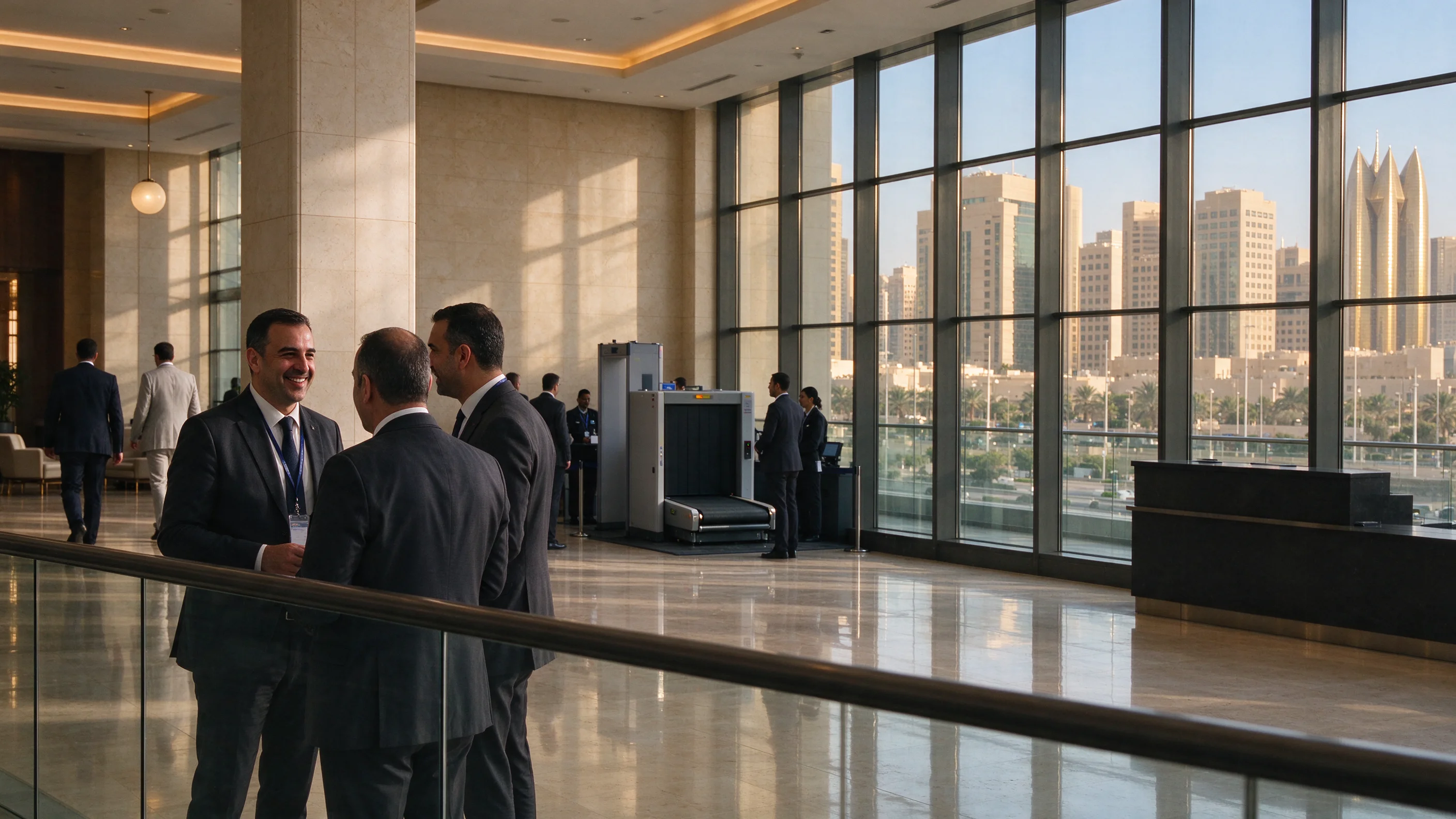
The coalition promised retaliation after Saturday’s strike; Saudi forces have struck Houthi targets in Yemen throughout the week. Escalation may restore deterrence in theory. In practice it also burns more interceptors and draws more American attention at a moment when Washington is juggling Hormuz enforcement, Ukrainian magazines, and electoral calendars—another shared constraint in the Gulf file.
Who wins if the magazine thins
If interceptor strain persists, the beneficiaries are not mysterious. U.S. and European defense primes—Raytheon and Lockheed Martin on Patriot lines, THAAD integrators, drone-detection startups—gain negotiating leverage on expedited orders and co-production talks Gulf states have pursued for years. Insurers and reinsurers reprice Saudi and broader Gulf risk until premiums show up in project finance for hotels, ports, and giga-developments. Airlines and lessors quietly shift capacity toward routes where hull war-risk remains quotable.
Saudi Arabia still has deep fiscal reserves and political capital in Washington. None of that repeals physics: interceptors take time to build, batteries take time to reposition, and every successful airport strike teaches adversaries that civil infrastructure imposes costs defenders must pay in hard currency.
The attack that matters may be the one that never pierces a dome—only empties the magazine on the way in.
How the thesis breaks
The arithmetic story weakens if Riyadh confirms fresh deliveries that restore magazine depth without public drama, if Houthi fires taper under coalition pressure, or if insurers treat airport strikes as isolated catastrophes rather than a regime shift. It strengthens if KKIA-style closures recur while Journal-style shortage reporting hardens into official procurement emergencies—and if travelers, not diplomats, become the first movers out of the kingdom’s risk premium.
The headline will be the fire at the terminal. The investment story is whether Saudi Arabia can keep spending millions to defend gateways it still needs foreigners to walk through.
Continue reading


Sources
Saudi General Authority of Civil Aviation statements on King Khalid and Abha airport strikes October 2026; Reuters and NPR reporting on casualties and coalition retaliation; Wall Street Journal reporting via secondary outlets on interceptor shortages October 12, 2026; prior Reuters reporting on PAC-3 drawdowns during the Iran war; Culled coverage of Patriot rationing and Gulf insurance markets.


