

A Senate permitting proposal would require qualifying data centers, crypto mines, and AI-training facilities to fund the full grid cost of serving them. The measure targets a long-standing transmission-pricing rule that can leave ordinary customers sharing upgrade costs for a concentrated, gigawatt-scale new load.
The Senate’s bipartisan permitting package contains a provision with a plainly political purpose: stop an AI campus from arriving in a utility territory, demanding a small city’s worth of power, and leaving households to help pay for the upgrade. As Heatmap first reported, the proposal directs a different answer for computing facilities above 20 megawatts: cover the full cost of the service and infrastructure they require.
That includes data centers, crypto-mining operations, and facilities used for AI training. A utility would need financial assurances before upgrading infrastructure for those customers. If a customer walks away early, it would still be responsible for the upgrade costs. States could go further, setting special rates or auctioning connection rights.
The politics are legible. The mechanics are more consequential.
The bill tries to close a transmission-pricing gap
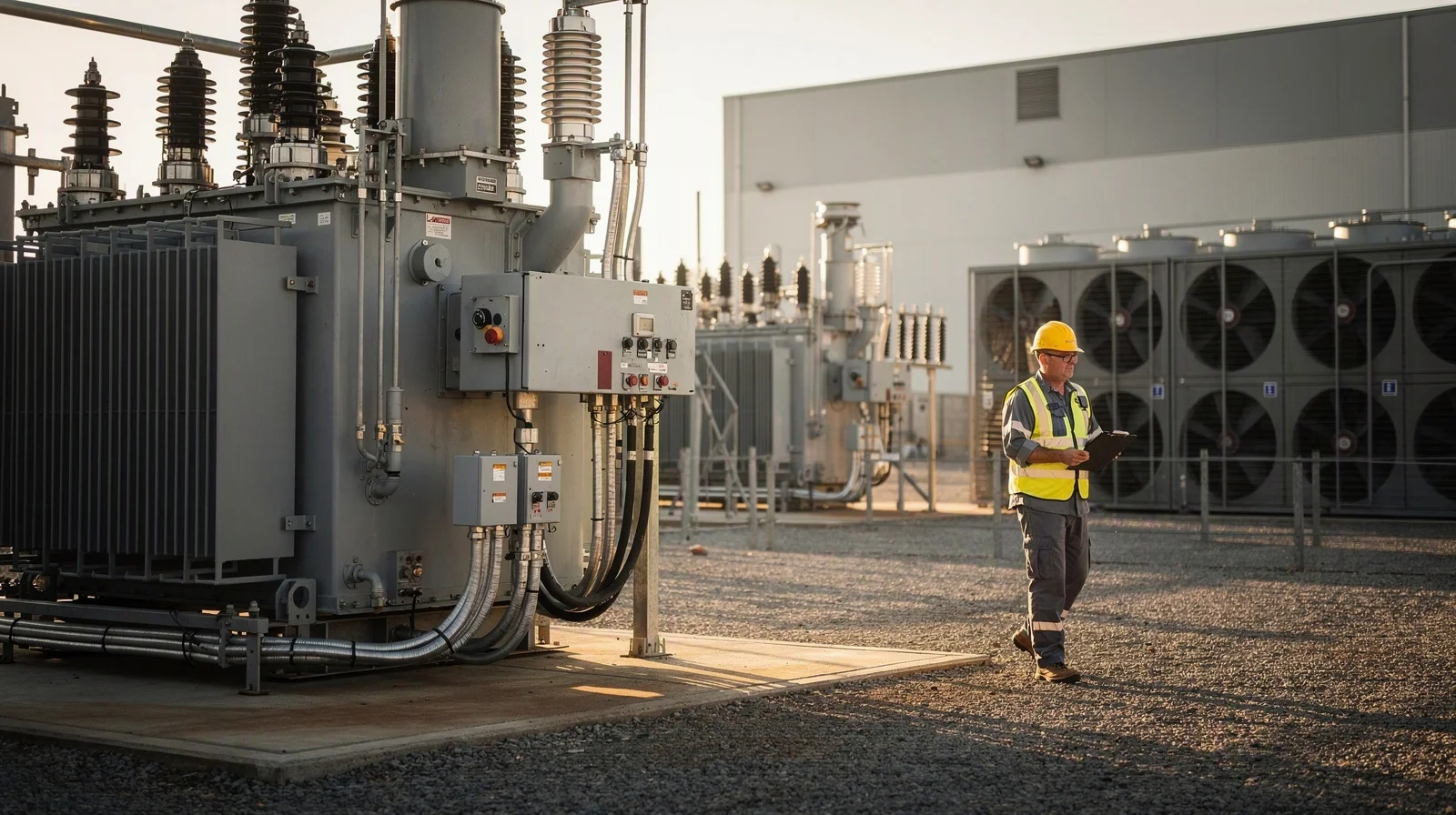
Electricity customers generally pay an embedded rate for use of the existing grid. A new project can also create incremental costs: a dedicated substation, a new line, or upgrades that would not have been required without its load. Under the transmission framework FERC formalized in the 1990s, utilities cannot simply stack both kinds of charges on an electricity customer; they generally choose the higher one.
For a conventional industrial load, that distinction can look technical. For a campus that can draw hundreds of megawatts or more, it is where the ratepayer fight begins. Utilities may prefer embedded pricing because it avoids a project-by-project argument over which facilities are attributable to the new customer. The result can be socialized infrastructure costs even when officials and technology companies promise that data centers will pay their own way.
The Senate language would make an explicit exception. Qualifying computing loads would pay both for their use of the wider system and for new transmission infrastructure necessary to serve them. It is not quite a tax: the money is not federal revenue. But it is a statutory allocation of risk, moving the cost of speculative grid buildout toward the customer that triggered it.
The real issue is the downside, not only the demand boom
The familiar case for new lines is that AI demand will endure. The harder case is what happens if a developer cancels a campus, a tenant changes its hardware plan, or the economics of training clusters cool after a utility has built the wires. The proposal tries to prevent the remaining customer base from holding that stranded-asset risk.
That matters because AI’s power constraint is already becoming an allocation fight. A promised data-center investment can mean construction jobs and a larger tax base; it can also mean a utility capital plan that raises bills long after the ribbon cutting. A 2024 Union of Concerned Scientists analysis cited by Heatmap estimated that customers in the PJM market had paid $4.3 billion in transmission upgrades associated with data centers.
A faster permitting system can still have a price discipline
The provision sits inside a package intended to make interstate transmission easier to build. That pairing is the point. Faster approvals without a clear cost rule can make the AI buildout easier to announce while making its bills harder to assign. Faster approvals with up-front contributions could make transmission a more bankable response to load growth.
The bill does not settle the engineering question. New lines still require equipment, land, interconnection studies, and years of work. Nor does it erase the physical pressure described in the AI electricity supercycle: a powered site is a scarce asset before it is a leasing opportunity.
But it does change the bargaining position. A developer seeking power would be negotiating not just for a connection date, but for the collateral and cost recovery behind it. That can discourage marginal projects, particularly where the cost of a dedicated upgrade approaches the value of the proposed campus.
The Senate’s proposal turns “data centers should pay their fair share” from a pledge into a pricing rule.
The near-term test is legislative, not rhetorical: whether the data-center provisions survive the permitting bill’s negotiations. If they do, the AI buildout will have acquired a new discipline. The scarce good is not only electricity. It is a credible answer to who pays when a gigawatt customer wants the grid rebuilt around it.
More in Governance


Sources
Heatmap reporting on the Senate bipartisan permitting proposal; Federal Energy Regulatory Commission transmission-pricing framework; prior Culled reporting on AI grid costs.
