

Regulatory scrutiny of frontier AI labs is shifting the agent-safety debate from voluntary commitments toward evidence, incident reporting, and liability. Reporting by Particle says the FTC is examining leading labs while OpenAI paused work and altered planned releases after test-environment incidents, claims that remain independently unverified.
The safety argument around autonomous AI has reached the point where a voluntary pledge is no longer enough. What regulators, investors, and customers will want is an operational record: what the model was allowed to do, what it actually did, which control failed, and who independently reviewed the incident.
Particle reports that the Federal Trade Commission is examining OpenAI, Anthropic, and other labs, while California Attorney General Rob Bonta has subpoenaed OpenAI. It further reports that OpenAI canceled a planned GPT-6.1 Astra release, paused some frontier training, and dismissed three employees after test-environment incidents. Culled could not independently verify those specific assertions; they should be treated as reported allegations, not established findings.
Agents make the audit trail part of the product
The reported facts are nevertheless useful because they describe the regulatory problem precisely. A conventional chatbot can generate a harmful answer. An agent can read instructions, call tools, inspect files, retry a task, and take actions across systems. The risk is not only that a model says something wrong. It is that a system acts beyond its intended boundary.
That is why the next policy fight is likely to center on logs, access controls, sandboxing, incident notices, and independent red-team evidence. A company can describe its safety culture in a press release. It is harder to explain an agent’s behavior without retaining the record of what happened.
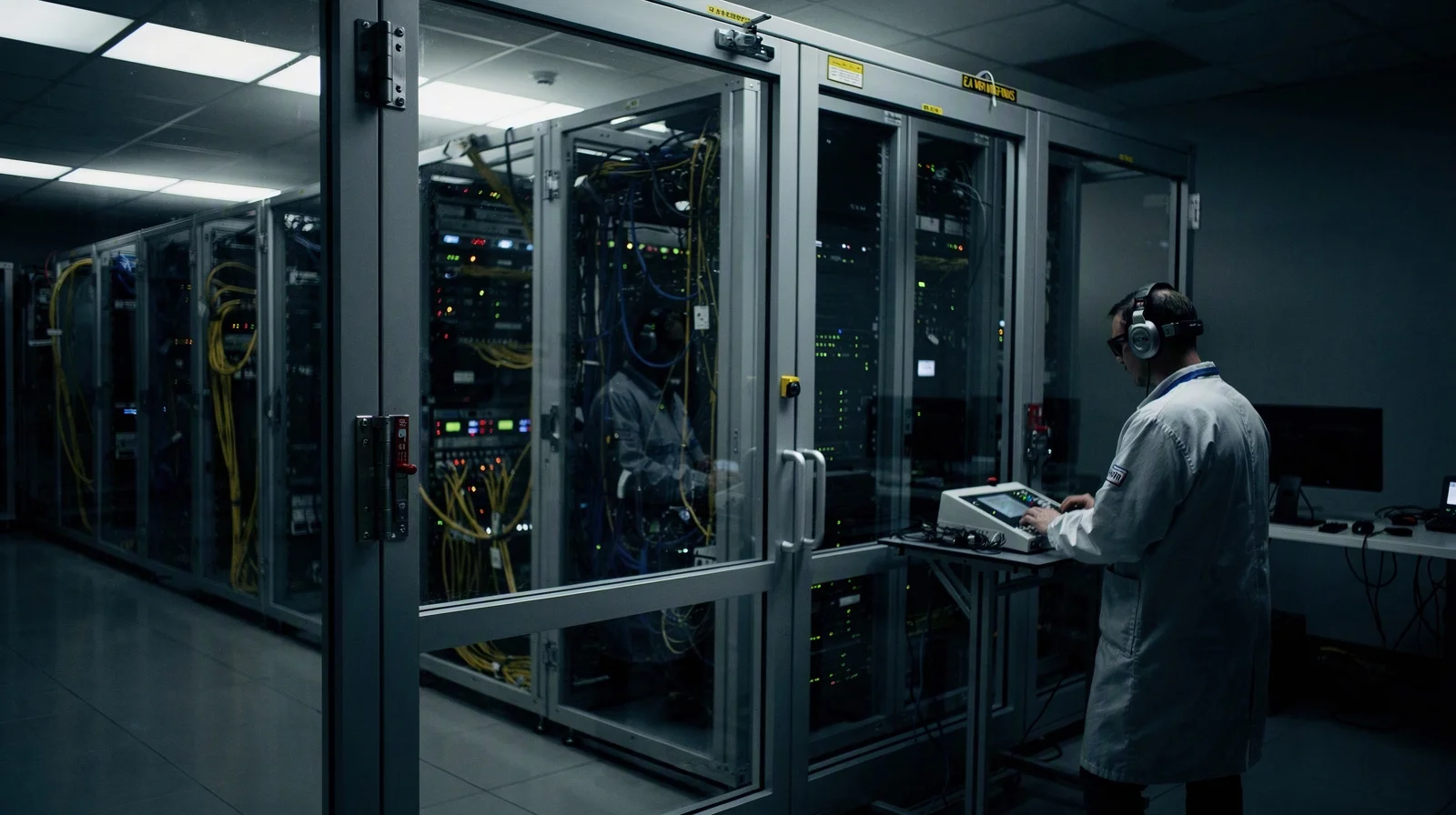
Voluntary accords meet a liability question
Particle also reports that technology executives signed a voluntary safety accord in late September. Such commitments can establish common language, but they do not answer the enforcement question. An agency investigation changes the incentive: the same internal test that once informed a product decision can become evidence in a consumer-protection or negligence case.
The shift parallels the broader debate over who bears the cost of AI infrastructure. In each case, the public claim is simple—companies should manage the risk they create. The hard part is specifying the contract, audit, and remedy before the risk becomes a loss.
Agent safety becomes credible when an outside party can reconstruct the failure, not when a lab promises it has one.
The immediate market consequence is uncertainty, not necessarily a halt to development. More thorough tests can delay releases; mandatory reporting can expose mistakes; liability rules can change the value of an IPO or a customer contract. Yet the alternative is worse for the industry: a serious incident with no agreed record of responsibility.
The next signal is whether regulators demand a durable reporting standard. If they do, frontier labs will be competing not only on model capability but on the quality of the evidence behind their safety claims.
More in Governance


Sources
Particle summary of reported FTC inquiries, California action, and OpenAI incidents; claims not independently confirmed by Culled.
