

India’s Supreme Court held Monday that written grounds of arrest are a mandatory constitutional safeguard across the spectrum of offenses — including special statutes. If the arrest is illegal for that failure, the agency cannot simply re-arrest on its own. Re-arrest now requires judicial approval. The residual is what happens after a court voids custody.
India’s Supreme Court held Monday that informing an arrested person of the grounds of arrest in writing, in a language the person understands, is a mandatory constitutional safeguard under Article 22(1) — not a courtesy and not a rule that shrinks for grave statutes. Justices Ujjal Bhuyan and Atul S. Chandurkar said the duty applies across the spectrum of offenses, including special laws such as the PMLA and UAPA. Fail that duty, and the arrest is illegal; the person is entitled to release from unconstitutional detention. That is the SEO headline. The residual is what the police may do next.
What happens after a court declares an arrest illegal? Can officers simply supply the missing paper and arrest the same person again? The bench’s answer is essentially no — not on their own. Re-arrest now requires prior judicial imprimatur.
Written Grounds Are the Front Door
Article 22(1) already said no one may be detained without being told why. Monday’s judgment treats that as a binding constitutional procedure tied to Article 21 liberty: if the person is not informed of the grounds as soon as may be, the arrest is void. A copy of the written grounds must be furnished “as a matter of course and without exception.” Where writing at the moment of arrest is impractical — including exceptional in flagrante situations — oral communication may come first, but writing must follow within a reasonable time and, in any event, at least two hours before the arrestee is produced before a Magistrate for remand. Special statutes do not soften the rule. Gravity is not a loophole.
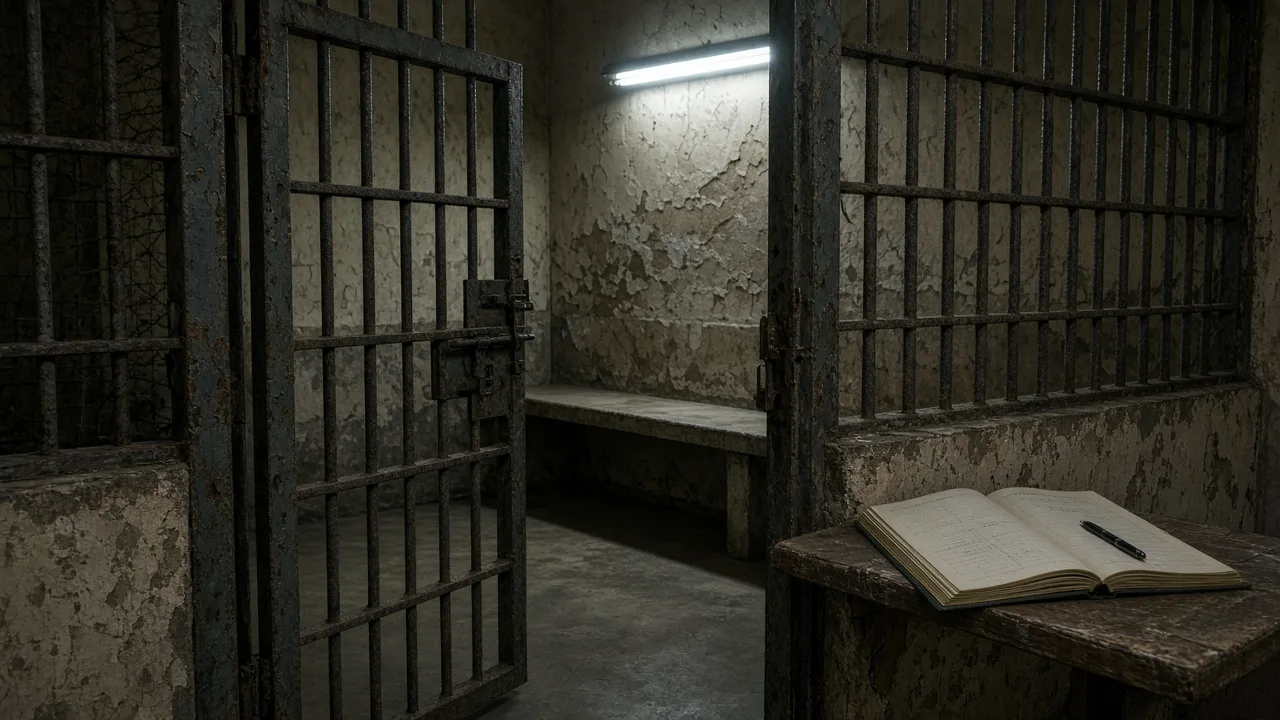
That front door matters because Indian security and money-laundering dockets have long treated procedural shortcuts as the cost of seriousness. The Court refused that bargain. Personal liberty, the bench said, cannot be invaded except by the procedure the Constitution actually establishes — even when the accusation is anti-social or grave.
Re-Arrest Is No Longer a Paperwork Patch
The harder clause is the aftermath. Once release follows an Article 22 breach, the investigating agency cannot treat the first failure as a typo to be cured by a second grab. It must first furnish the written grounds to the accused, then move the jurisdictional Magistrate with an application explaining why the grounds were missing initially and why custody is now necessary. The application needs the endorsement of the immediate superior police officer — so the power does not remain with the officer who violated the right. The Court also pointed toward departmental inquiry and investigation transfer as accountability signals. A Magistrate may permit re-arrest only after being satisfied that the first failure had bona fide reasons, that grounds were later supplied, and that fresh custody is necessary.
This builds on the Court’s 2025 line in Mihir Rajesh Shah, which already pushed agencies seeking fresh custody after a grounds failure toward the Magistrate. Monday’s bench hardened that path into a cast-iron gate. The person freed for an illegal arrest does not walk out on “bail”; they walk out of unconstitutional detention — a distinction that matters for how quickly the state can re-cage them.
Correcting an illegal arrest is no longer a station-house rewrite. It is a judicial event.
State force still binds the street: police retain arrest power, security laws remain on the books. The binding change is who may restart custody after the state itself broke the rule. That is governance as procedure — the same family of fights Culled has tracked when bail and cashless release reprice liberty, when courts redefine who counts as born American, and when custody and sanctions collide at the ICC. Trade whether first-instance FIRs and UAPA/PMLA dockets start attaching written grounds as routine, and whether Magistrate dockets fill with re-arrest applications. Or keep filing the story as a UN-week rule-of-law photo op and miss the re-arrest gate.
Continue reading


Sources
Supreme Court judgment Sept. 21, 2026 (Justices Ujjal Bhuyan and Atul S. Chandurkar), Criminal Appeal arising from SLP (Crl.) including Jaskaran Jeet Singh Deol v. State of Punjab line of reporting: Article 22(1) written grounds mandatory across spectrum including PMLA/UAPA; language understood by accused; oral then written within reasonable time and ≥2 hours before Magistrate production if impractical at arrest; illegal arrest → release from unconstitutional detention (not “bail”); re-arrest requires furnish grounds, Magistrate application with reasons for first failure and custody necessity, superior officer endorsement; departmental inquiry / transfer signals; builds on Mihir Rajesh Shah (2025); HT, Hindu, TOI, Law Trend, Indian Express coverage of re-arrest bar


