

Iran's deputy budget coordinator Mohammad Ghasemi told local media on Nov. 10 that the government must prepare for circumstances in which oil revenue reaches zero, matching a Nov. 3 directive from President Masoud Pezeshkian's administration that pairs a prolonged blockade scenario with a looser alternative. Kpler estimates that lagged Chinese payments could interrupt crude and condensate receipts around mid-December after floating storage outside the U.S. naval cordon fell from 88.8 million barrels in mid-July to zero by mid-October. The U.S. Treasury says Iran has loaded no oil onto vessels since Aug. 25. Oil still accounts for roughly one-third of planned government funding in the 2026–27 proposal. The consequential question is whether taxes, bonds, subsidy cuts and neighbour trade can substitute for export cash quickly enough to pay salaries, pensions and import bills without printing a new inflation wave—Culled's earlier coverage tracked the rial and household prices; this peg is fiscal survival under siege.
Culled's October pieces on [FX sales](/articles/iran-fx-sale-inflation-arithmetic/) and [corridor diplomacy](/articles/iran-inflation-outruns-corridor-diplomacy/) treated inflation and negotiation clocks. Budget planners are now naming a third clock: when oil cash stops arriving even if barrels were exported months ago. This article keeps planning assumptions separate from audited revenue and tracks what Parliament will do with the draft between late November and December.
Tehran, Nov. 16 — Iran’s budget process is no longer pretending that oil exports will quietly refill the treasury. Mohammad Ghasemi, deputy for coordination at the Plan and Budget Organization, told domestic outlets on Nov. 10 that planners must prepare for oil revenue reaching zero in next year’s accounts. The remark follows a Nov. 3 directive from President Masoud Pezeshkian that orders ministries to model two paths: a prolonged U.S. naval blockade with tight finance, and an easing that restores trade through the Strait of Hormuz. A zero-oil scenario is a contingency, not an audited statement that receipts have already vanished—but it signals that fiscal risk has moved from the parallel dollar market into salary, pension and import ledgers.
The binding constraint is no longer whether Tehran can print inflation statistics—it is whether export cash arrives before obligations come due.
From barrels at sea to cash in treasury
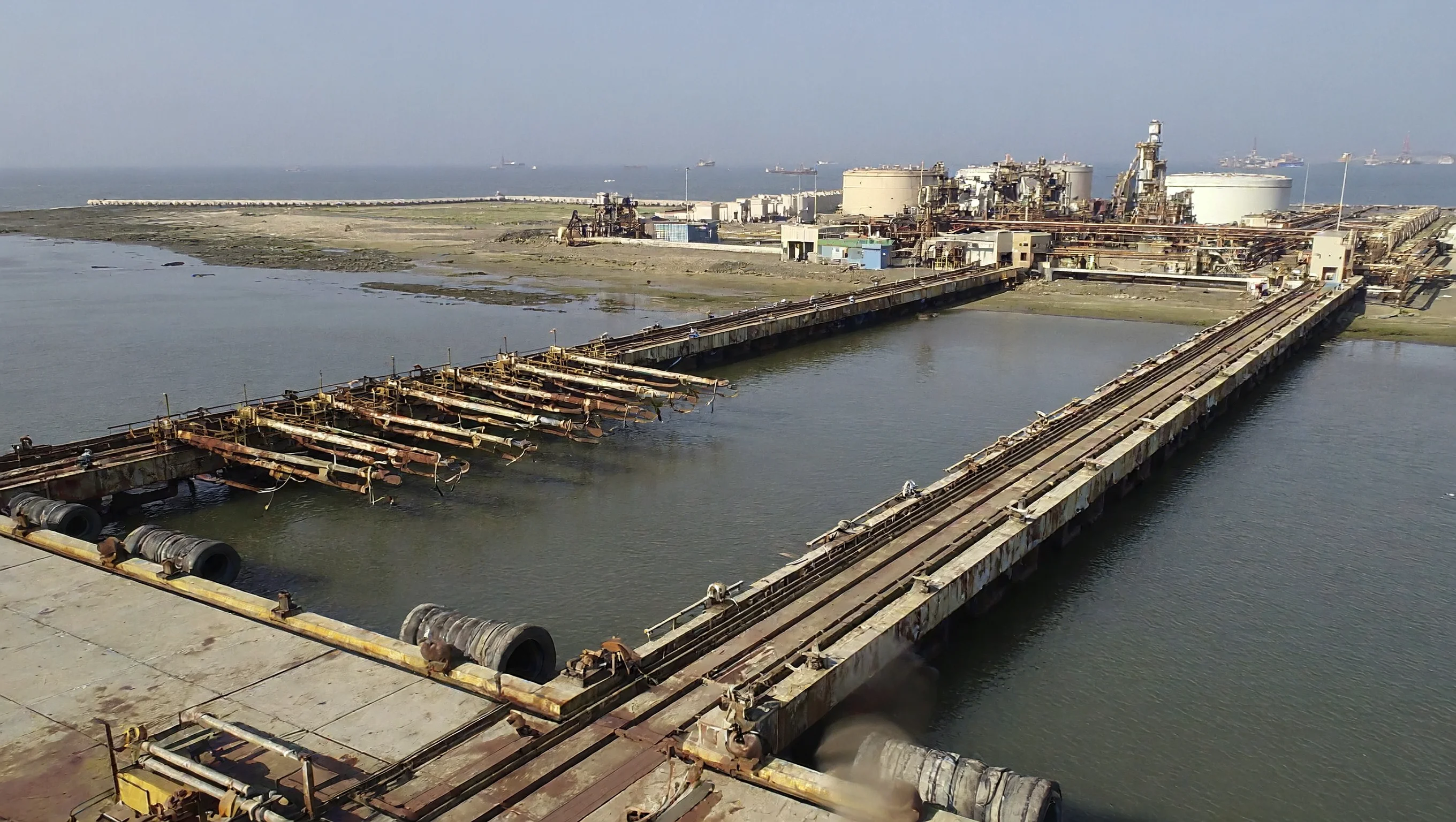
The revenue gap is a timing problem layered on a logistics problem. Kpler reported in late October that Chinese buyers typically pay one to two months after discharge, so crude and condensate receipts could dry up around mid-December even after earlier cargoes cleared. Floating storage outside the U.S. cordon fell from 88.8 million barrels on July 14 to zero by mid-October, with roughly 43 million barrels still inside the blockade zone, according to tanker trackers cited by Al Jazeera and OilPrice. The U.S. Treasury has said Iran loaded no oil onto vessels after Aug. 25. Production has slipped below 2 million barrels a day in recent months after 3.59 million in February, the month the war began—again per tanker analytics, not Iranian disclosure.
That sequence matters for budget writers. Culled’s FX sale piece showed how STATE can ration dollars at the margin; it cannot replace the roughly one-third share of planned 2026–27 funding that oil still supplies when barrels and payments stall together.
What substitutes exist—and what does not
Officials have sketched a familiar toolkit: stricter tax collection, selective bond issuance, trimming overlapping agencies, gradual energy subsidy cuts, electronic Kalabarg coupons for low-income households, and expanded non-oil trade with neighbours. Government spokesperson Fatemeh Mohajerani said Tuesday that next year’s budget will stress inflation control through fiscal discipline and bank oversight. Economists quoted by Al Jazeera warn that none of those levers fully replaces foreign currency inflows while banking, insurance and transport sanctions remain—neighbour corridors help at the margin, not at oil’s scale.
Households already live the squeeze. The Statistical Center put year-on-year inflation near 89 percent in the month ending Oct. 22. The open-market dollar has doubled against the rial since last winter even as the central bank ran its $2 billion cash window. Former budget deputy Mohammad Tabibian argues societies can grow poorer gradually without a dramatic halt—endurance is not prosperity, OilPrice reported.
Washington, meanwhile, is advertising duration. Secretary of State Marco Rubio told G7 counterparts in Paris that a naval blockade and tightening sanctions could continue without a fixed end; President Donald Trump has said Gulf partners prefer the status quo and, on Nov. 13, that the U.S. does not need a deal with Iran while sidelining Vice President JD Vance from talks. Culled’s Hormuz sanctions coverage tracked how dollar plumbing can close lanes faster than frigates; the budget line adds public-sector payroll to that chokepoint list.
Parliament, politics and the falsifiable test
The draft goes to Parliament between Nov. 22 and Dec. 21. Last year’s cycle showed the tension: the government proposed a 2 percent nominal increase; lawmakers expanded it toward 30 percent. Gregory Brew of Eurasia Group told Fox News Digital to expect spending pressure and unrest as cuts surface—a fiscal squeeze colliding with an election-minded chamber.
Watch three verifiable markers through year-end. First, whether finance ministry monthly revenue tables show oil transfers tapering toward zero or merely delayed. Second, whether Ghasemi’s three-tier plan—salaries, pensions and debt service first—survives Majlis markup or reverts to pre-war spending habits. Third, whether mid-December passes without a Kpler-scale payment disruption; if cash keeps arriving, the zero-oil line stays a stress test. If not, STATE must choose between central bank borrowing—the route budget officials say they want to avoid—and deeper household pain.
Iran’s government may remain solvent on paper longer than its citizens stay comfortable. The 2027–28 budget is less about ideology than allocation: who absorbs the cost when oil cash stops clearing on schedule.
Continue reading


Sources
Al Jazeera Nov. 11 on Ghasemi contingency and siege economics; OilPrice Nov. 13 on Kpler payment lag and spending tiers; Iran International on Treasury loading claims; prior Culled on FX intervention and inflation arithmetic


