

Brent crude traded near $108 after Washington rejected Iran's latest Hormuz reopening draft, reviving the inflation watch Banxico cannot ignore. Industry surveys say 41% of firms expect nearshoring's biggest payoff between 2026 and 2030, yet first-half FDI records still skew toward reinvested profits, not greenfield plants. Mexico's execution phase now runs through diesel, power, and carry-trade math.
Brent crude spent Monday’s U.S. session near $108 a barrel—enough to keep Petrobras and Gulf exporters bid while importers reprice diesel pass-through. The move followed Donald Trump’s public rejection of Iran’s latest Strait of Hormuz reopening package even as mediators told wire services Washington had not formally killed the draft and separate U.S.–Iran sessions could follow. For Mexico, the number lands in a different ledger than for São Paulo or Tokyo: manufacturing runs on CFE tariffs, trucking fuel, and peso funding costs, not on equity beta to Wall Street’s holiday-thinned cash session.
That is the energy-cost test nearshoring now has to pass.
Lists, Ag Lines, and the Manufacturing Offset
Washington and Beijing published reciprocal product lists Monday covering roughly $30 billion each way, with domestic legal steps still ahead before most covered lines revert toward MFN rates. MOFCOM’s release and the White House Board of Trade posting made the holiday retail margin story concrete—toys, ornaments, and sporting goods on the U.S. side; soybeans and protein among China’s lines. For Mexico’s export complex, the partial win is agricultural exposure: U.S. farm goods on China’s cut list can absorb some shock that would otherwise ricochet through North American supply chains. It does not unwind the manufacturing risk embedded in sunset USMCA reviews, foreign-investment reform friction in the Senate, or the rate differential that keeps peso desks watching Banxico’s 6.50% hold against a firmer Fed.
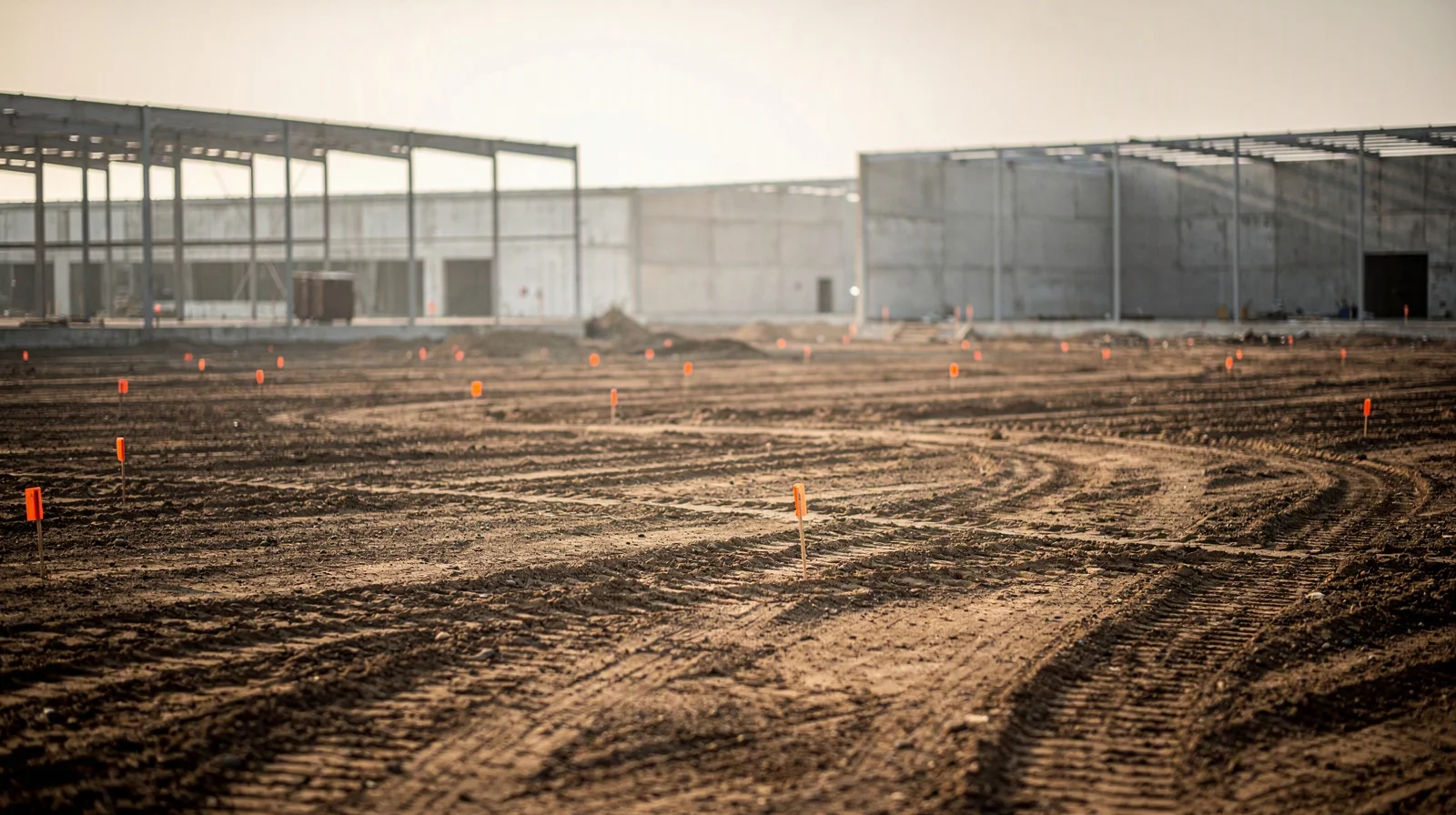
Industry coverage out of Mexico City frames the narrative shift differently: nearshoring is entering an execution phase. A Mexico Industry survey cited Monday puts 41.3% of firms expecting the strategy’s largest impact between 2026 and 2030—a window that assumes plants actually get built on schedule. Culled’s earlier tape on record first-half FDI near $35 billion always carried a footnote: much of the headline is reinvested profit, not greenfield steel and concrete. El Universal’s Monday column on “record” flows repeats the complaint—announcements outrun new-plant pipelines. The binding constraint is not sentiment. It is capital that commits to kilowatts.
Oil, Inflation, and the Carry Spread
Hormuz premium is not an abstract geopolitics badge for Banxico. When Brent holds above $104–$108 on mediation headlines that fail to stick, diesel records and the ~$109 billion extra Americans have spent on gasoline and diesel since March become Mexico’s import bill and freight surcharge too—see Culled’s diesel household math for the U.S. pass-through template. Markets that priced peace and then re-priced Hormuz risk after MOU optimism are the same oscillation Mexico’s inflation forecasters inherit.
The afternoon carry-trade read is blunt: a stable peso near 17 per dollar is necessary, not sufficient, when the Fed owns the hawkish side of the spread and oil keeps the inflation watch live. Nearshoring FDI does not close on slide decks—it closes when power, logistics, and FX line up for a decade. Monday’s tariff detail helps some agricultural lines; it does not build a fab.
Watch three variables through the week. First, whether Brent holds above $100 while Araghchi meets Qatari mediators in New York and AP sources describe a strait-and-blockade package still in play—Culled’s Swiss-talks strain template applies even when the venue moves to Manhattan. Second, whether greenfield announcements outpace reinvestment in Q3 FDI composition data—not the headline record. Third, whether USMCA review language shortens project timelines or keeps manufacturers shopping Asia despite MOFCOM lists. Until greenfield money catches survey optimism, treat 41% expecting a 2026–30 payoff as a schedule, not a scoreboard—and treat $108 Brent as the line item that decides if the schedule is affordable.
Continue reading


Sources
MOFCOM and White House reciprocal list publications Sept. 28, 2026; Al Jazeera and PBS tariff/agriculture coverage; Mexico Industry nearshoring execution survey (41.3% expect peak impact 2026–2030); El Universal on FDI composition; global export Brent ~$108 headlines; prior Culled Hormuz oil, USMCA, and Mexico FDI coverage; CSIS nearshoring uncertainty analysis


