

The United Nations General Assembly’s 81st high-level debate opens Tuesday in New York under the theme “Restoring trust.” Brazil speaks first; President Donald Trump follows. Iranian President Masoud Pezeshkian is en route. The residual is not the podium order. It is whether Hormuz still prices the week while leaders trade speeches about trust.
The United Nations General Assembly’s 81st high-level debate opens Tuesday along the East River under the official theme “Restoring trust, managing transformation: a United Nations that delivers for all.” Secretary-General António Guterres introduces the annual report and is expected to give his final opening address before he leaves office on December 31. By tradition, Brazil speaks first. The host country follows: President Donald Trump, billed around 9:45 a.m. Eastern, is set to defend the nearly seven-month war with Iran and to claim peacemaker credit elsewhere. Iranian President Masoud Pezeshkian leaves for New York the same day for a Wednesday address. The residual is not who gets the microphone. It is whether a week of speeches can move a war that still prices itself through the Strait of Hormuz.
Trump has said he is “probably” open to meeting Pezeshkian on the sidelines. Iranian lawmakers have already rejected direct talks. Qatar is still ferrying short-term proposals aimed at navigation and a pause that could reopen negotiations. That is the same architecture Culled mapped when Doha had mediators without a peace table and when markets priced an MOU before the tankers returned. New York can host both presidents in one week. It cannot, by itself, reopen the strait.
The Podium Is the Ceremony; Hormuz Is the Clock
Weekend shipping data had about seventeen commodity vessels transit Hormuz, down from thirty-seven the week before. Producers still move barrels — some with transponders dark. Houthi reach into Red Sea lanes and Saudi airspace has widened the energy perimeter beyond one choke point. On Monday, Trump and France’s Emmanuel Macron talked protecting critical Middle East energy infrastructure and freedom of navigation. Britain’s new prime minister is sending RAF refueling support for Saudi defensive missions. None of that is a UN resolution. It is the war arriving as logistics.
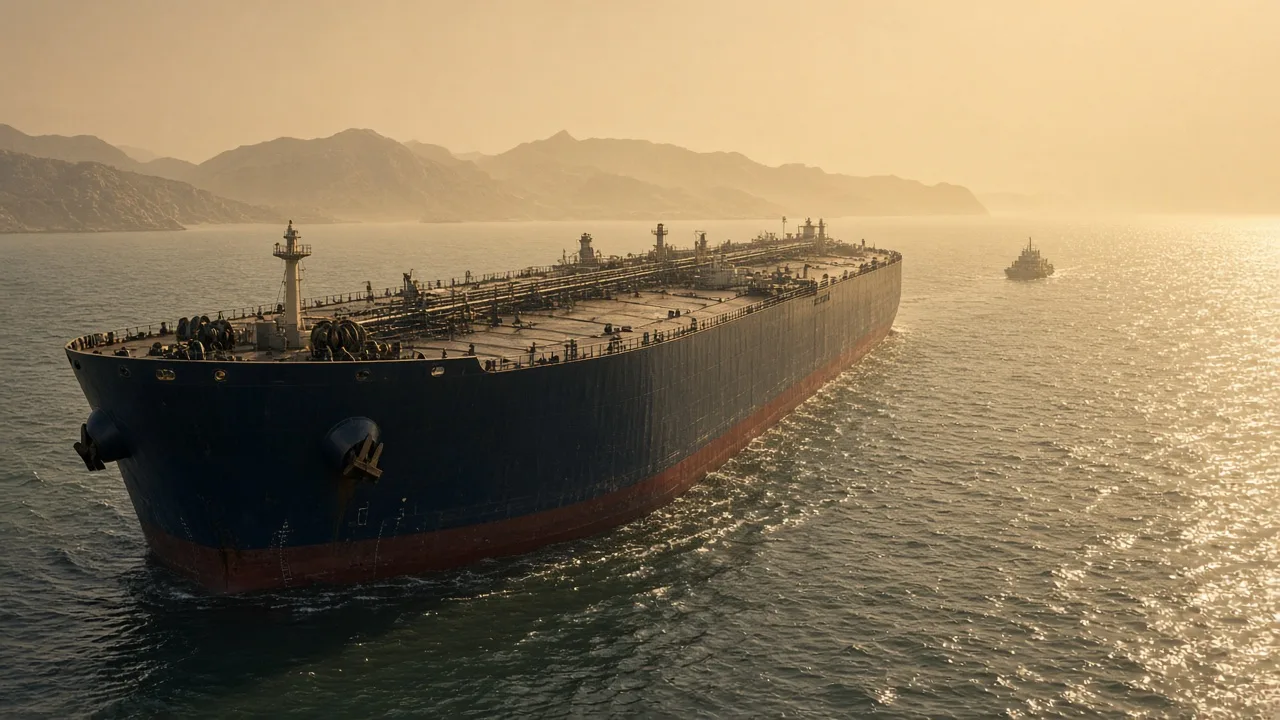
Capital already tried to treat UN-week diplomacy as a crude discount. Brent slid toward $101 on hopes of talks even as U.S. diesel stayed near record levels — the product market refusing to take the podium’s word for it. The market priced in peace once before and learned the hard way that a communiqué is not a cargo. Tuesday’s speech order will not reverse that lesson unless Hormuz traffic and distillate inventories move with it.
What the Week Can Still Decide
Trump’s day is packed beyond the green marble hall: a Greenland security signing, meetings with Britain’s Andy Burnham, Ukraine’s Volodymyr Zelensky, Japan’s Sanae Takaichi, Venezuela’s interim leadership, and Gulf Cooperation Council officials worried about Iran-backed attacks on Saudi territory. Pezeshkian and Foreign Minister Abbas Araghchi will work the corridors under U.S. movement restrictions that the UN says violate the Host Country Agreement — the same fight that forced Palestine’s Mahmoud Abbas to a prerecorded address again. Guterres will talk wars, AI, and a funding squeeze while the Security Council straw-polls his successor. Those are real files. They are not the binding constraint on diesel and inflation this month.
Restoring trust is the theme. Reopening Hormuz is the test.
State force still binds the war: Washington’s next strike decision, Tehran’s conditions (ceasefire, frozen funds, blockade, compensation), and mediators’ ability to convert a hallway encounter into a navigable strait. Capital will keep marking Brent on every rumor of a Trump–Pezeshkian handshake. Trade the transit counts, the meeting that may never happen, and whether distillate cracks ease if the corridor actually clears. Or mistake a packed UNGA schedule for a peace process.
Continue reading


Sources
UN Web TV / UN arrangements: 81st general debate Sept. 22–26 and Sept. 28; theme “Restoring trust, managing transformation: a United Nations that delivers for all”; Guterres opens with annual report A/81/1; Brazil first by tradition, U.S. host second; Al Jazeera schedule (Trump ~9:45 a.m. ET); AFP/France24: Trump to defend Iran war, tout deals, Greenland security signing, side meetings Burnham/Zelensky/Takaichi/Rodriguez and GCC; Pezeshkian travel Tuesday, address Wednesday; Trump Fox “probably” open to meeting; Iranian lawmaker rejection of direct talks; Qatar short-term Hormuz/navigation proposals; Macron–Trump on energy infrastructure and freedom of navigation; weekend Hormuz commodity transits 17 vs 37 prior week (Reuters); prior Culled MOU, Doha mediation, diesel/crude divergence


