

Apple Music, the NFL and Roc Nation announced Monday that Jay-Z will headline the Apple Music Super Bowl LXI Halftime Show on February 14, 2027 at SoFi Stadium. Headliners have long traded a conventional fee for global exposure; the twist is that Carter both performs and runs the production partner the league hired in 2019. The story is not whether artists get paid — it is who captures the upside when 130 million viewers become streams, tours and brand equity.
Monday, October 27 — The headline is easy: Jay-Z will headline the Apple Music Super Bowl LXI Halftime Show on Sunday, February 14, 2027 at SoFi Stadium in Inglewood, airing on ESPN, ABC, Disney+ and NFL+, per the NFL’s joint release with Apple Music and Roc Nation. The harder story is what that fifteen-minute slot is worth — and who keeps the check that never gets written.
Halftime is not priced like a stadium tour date. Headliners have historically received no major appearance fee, beyond union-scale payments and covered production costs — compensation that CBS and other outlets have contrasted with the spectacle’s commercial scale for years. Artists accept the trade because the audience is the payment: a global ad buy they could not easily purchase.
How the money actually flows
| Participant | What they contribute | What they may capture |
|---|---|---|
| NFL | Audience, distribution, the Super Bowl brand | Sponsor value, engagement, cultural relevance |
| Apple Music | Title sponsorship, distribution, playlists | Brand lift, subscriptions, artist relationships |
| Roc Nation | Talent strategy, executive production | Production fees, influence, commercial ties |
| Headliner | Catalog, rehearsal time, reputational risk | Exposure, streams, tour demand, merch |
| Labels / publishers | Recorded and publishing rights | Royalties, catalog re-ratings |
Apple’s multiyear halftime partnership has been reported at roughly $50 million per year since the 2022 Sports Business Journal deal — not a per-viewer invoice, but a signal of how the league packages the slot. Kendrick Lamar’s 2025 Apple Music show averaged 133.5 million U.S. viewers across TV and streaming, a record per Fox and Billboard — about $0.37 of reported annual sponsorship per viewer if you divide naïvely, before counting social clips, playlists, or repeat exposure.
The audience does show up in consumption data, even if measurement windows differ:
| Act (year) | Reported U.S. streaming lift (approx.) | Source basis |
|---|---|---|
| Rihanna (2023) | +155% week of game vs prior week | Billboard / Luminate |
| Usher (2024) | +211% official on-demand streams | Billboard / Luminate |
| Kendrick Lamar (2025) | +91% week of game; +153% day-after catalog | Billboard / Luminate |
Those are not controlled incremental-revenue estimates — they are the observable spikes rights owners fight over.
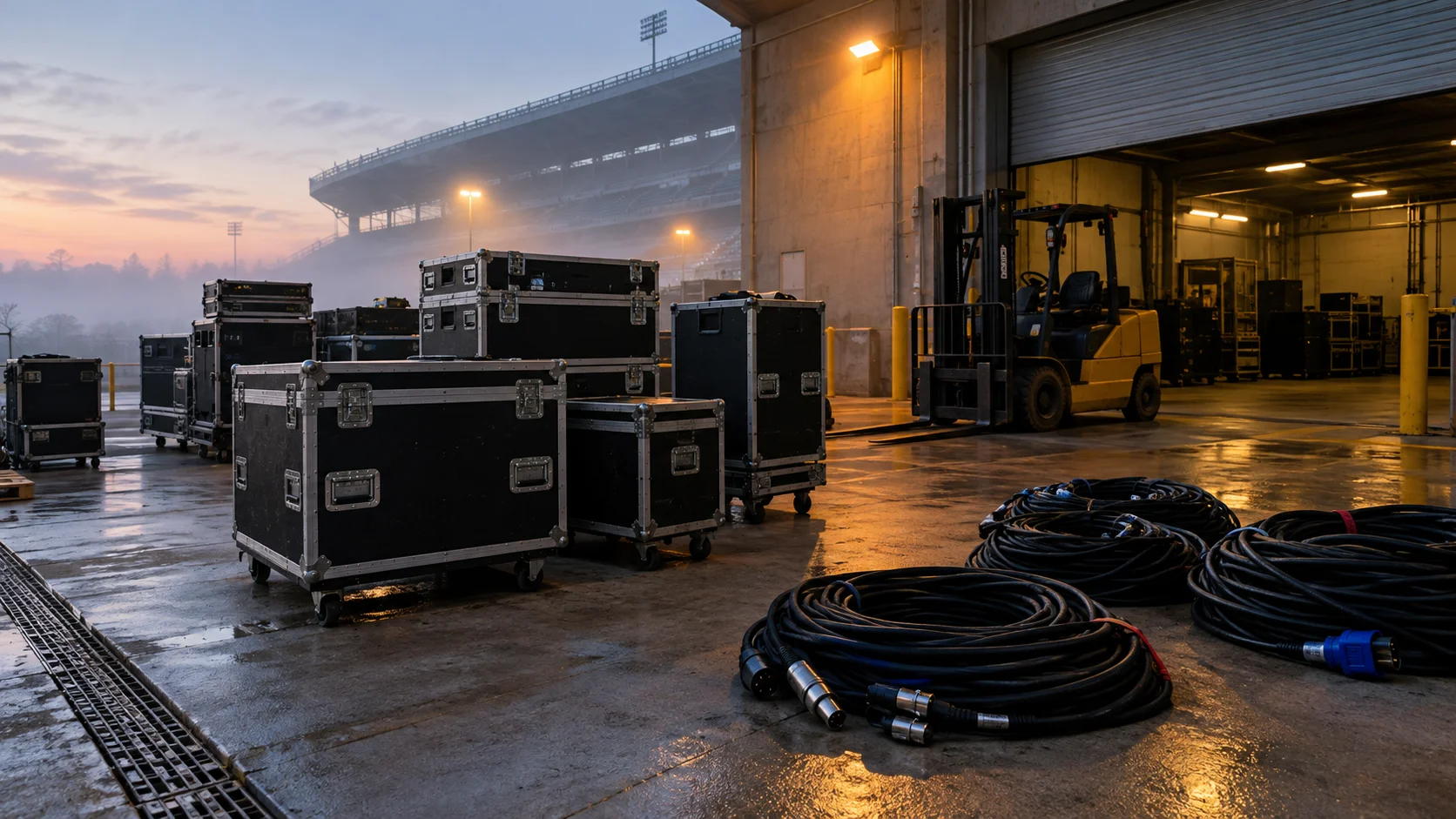
What changes when Jay-Z is on both sides of the truck
Since 2019, Roc Nation has been the NFL’s partner on halftime production and talent strategy — the arrangement AP described as unusual precisely because the producer is now the performer. Commissioner Roger Goodell said his early request when Roc Nation joined was that Jay-Z headline when the moment felt right; the 2027 pick is that moment, not a surprise casting from outside the building.
That does not, by itself, prove improper self-dealing. Roc Nation’s fees, Carter’s personal deal terms, and Apple’s sign-off are not public in the announcement. It does raise a governance question worth tracking: what happens when the entity recommending the artist is owned by the artist? Who documents the selection process, and do contract economics shift when the founder takes the stage?
The wealth mechanics underneath are clearer. A headliner who owns masters, publishing, touring infrastructure, and consumer brands can internalize more of a post-game streaming surge than an act whose economics are shared with a label stack. Jay-Z’s catalog and business portfolio sit closer to the integrated end of that spectrum — which turns a culture headline into a capital-allocation story: the world’s most valuable unpaid concert is also a vertically integrated promotion for the person running the production shop.
Three questions to hold the piece together
How does the NFL monetize halftime without paying pop-star wages? Sponsorship, audience retention, and the Super Bowl’s positioning as a hybrid sports-and-entertainment product — with Apple paying for the music layer.
Why do artists still say yes? Because union-scale cash plus production support is dwarfed by the advertising value of 130 million simultaneous viewers and the chart spikes that follow.
Does Jay-Z’s dual role reveal the next commercial stage? Possibly. If halftime is already a sponsored media product, putting the producer onstage is the logical end state — provided stakeholders can show the selection was arm’s-length where it needed to be.
Until those filings surface, treat the announcement as what it is: not proof of scandal, but proof that celebrity, platform, and production revenue now share one truck. The familiar line — artists don’t get paid — is the hook. The Culled layer is who owns the upside when the lights go up.
Continue reading


Sources
NFL and PR Newswire release (Oct. 26–27, 2026); AP and CBS Sports on Roc Nation's producer role; Sports Business Journal on Apple Music deal; Fox/Nielsen and Billboard/Luminate on 2025 viewership and streaming lifts.


