

The WNBA said Game 6 of the 2026 Finals between the Atlanta Dream and Golden State Valkyries will tip at 12:30 p.m. ET on October 29 at State Farm Arena, not the Dream's 3,500-seat Gateway Center home. The league shifted the potential title decider after sellout crowds filled the larger building for Games 3 and 4.
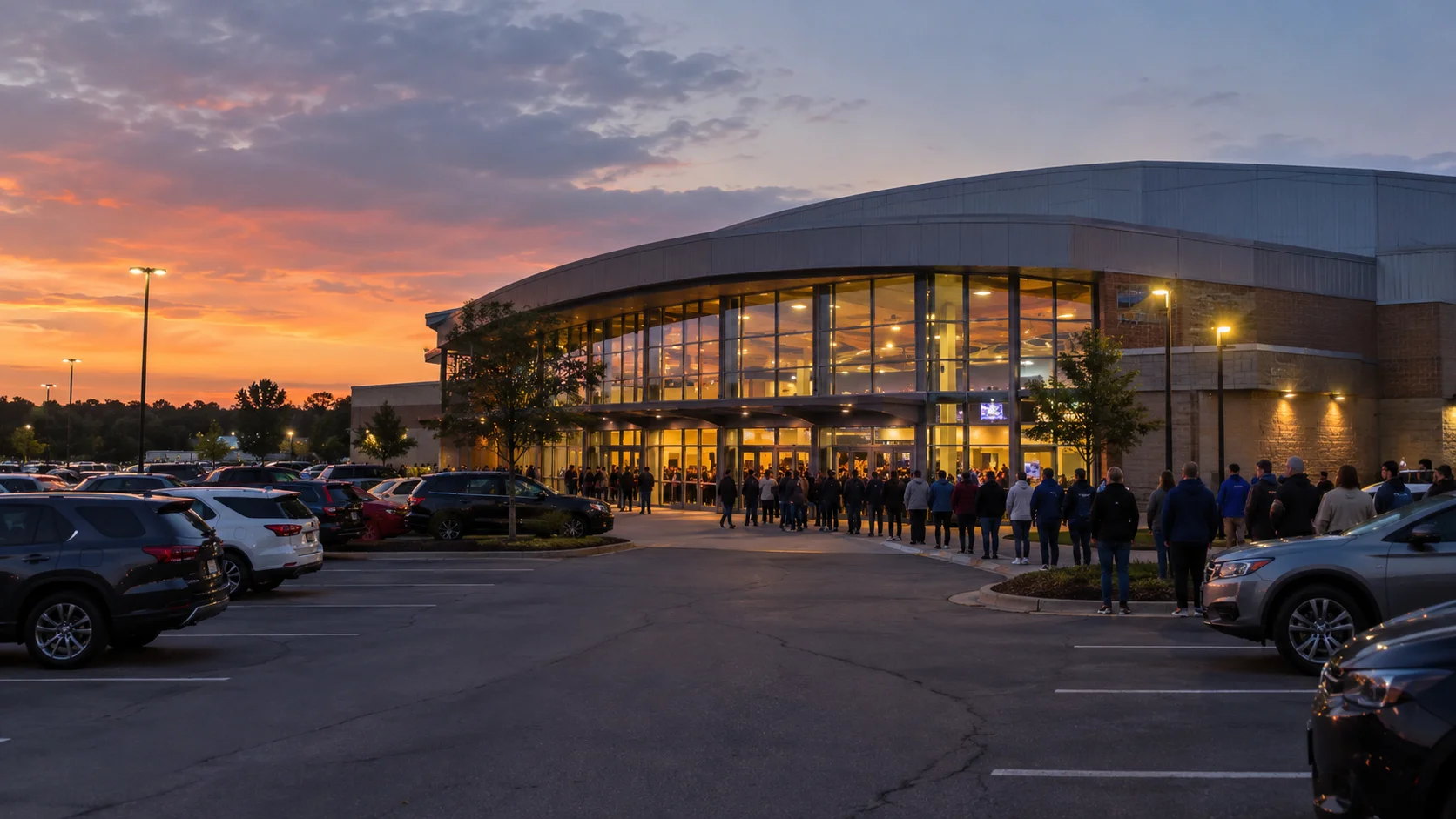
The WNBA announced Monday that Game 6 of the 2026 Finals will move to State Farm Arena in downtown Atlanta, with a 12:30 p.m. ET start on Thursday, October 29. The series between the Atlanta Dream and Golden State Valkyries was slated to play that game at Gateway Center Arena in College Park—a building that seats about 3,500 fans, roughly one-fifth of State Farm’s 17,000 capacity.
The switch follows a weekend of negotiations among the league, the Dream, the Valkyries, the NBA’s Atlanta Hawks, and broadcast partners. ESPN reported that organizers weighed moving Game 6 to Friday or pushing a potential Game 7 to November 3 before settling on a daytime slot that lets the Hawks host Cleveland that night at 8:00 p.m. ET—the same doubleheader choreography used when Games 3 and 4 relocated to State Farm earlier in the series.
Both earlier Atlanta finals dates sold out once the larger building opened. That is the economic punch behind a logistical headache: the WNBA is leaving ticket revenue and brand spectacle on the floor every time it plays a marquee round in a college-sized gym.
Undersized Buildings, Oversized Demand
Gateway Center is the Dream’s contractual home, but the team already played its 2026 playoffs at State Farm after demand outstripped the suburban bowl. The Dream signed a multi-year partnership in early October to make State Farm their primary home starting in 2027—an admission that the old footprint could not carry a finals run in real time.
The mismatch is not unique to Atlanta. Fast-growing women’s basketball franchises often inherit WNBA-era venue deals built for smaller average crowds. When viewership and walk-up interest spike—as they have during this Dream–Valkyries series and across the league’s recent expansion cycle—the binding constraint becomes square footage, not marketing. Capital tied up in long leases cannot capture the consumer surplus fans are willing to pay; labor (players, staff) performs in front of thousands of empty chairs that would have sold if they existed.
Who Pays for the Upgrade
Arena economics split three ways. Teams sacrifice per-game revenue when capacity is low but may enjoy lower rent and operating costs in smaller buildings. Landlords and municipal partners anchor franchises with favorable terms that made sense before the Caitlin Clark–era attention curve. NBA sister clubs, here the Hawks, control the big building’s calendar—and can extract scheduling concessions when the WNBA needs a favor.
Monday’s matinee is a compromise that favors fans and national television over pure convenience. Daytime basketball trades primetime glamour for certainty: a championship could be decided under daylight in a full NBA-scale arena rather than at night in a bandbox. NBC Sports noted the league avoided the embarrassment of a potential title clincher trapped at Gateway while State Farm sat dark.
A Good Problem—with a Bill
The WNBA’s “arena problem” is really a cap-ex and contract lag. Demand proved itself; infrastructure has not caught up. Until every growth franchise renegotiates into NBA-caliber buildings—or shares them by default, as Atlanta is doing ad hoc—the league will keep burning political capital on schedule swaps.
For investors and city officials, the lesson is simpler than attendance charts. Women’s basketball is no longer a charity slot on the arena calendar; it is a tenant that can fill 17,000 seats when given the keys. The cost of refusing those keys is measured in lost gate, concessions, and the compound marketing value of a finals game the country can actually attend. Game 6’s move is a patch. The business story is that patches are no longer optional.
Continue reading


Sources
WNBA communications (Oct. 26, 2026); AP, ESPN, NBC Sports, and Sports Illustrated reporting on scheduling negotiations and capacity; Dream-State Farm Arena partnership announced October 2026.


