

Meta postponed new AI-linked commercial terms for Instagram and Facebook business accounts from October 30 to November 20 after publisher petitions and scrutiny from the UK Competition and Markets Authority and the European Commission. The pause does not withdraw the terms; it schedules the next deadline while publishers argue that maintaining a page should not license archive-wide scraping for AI training.
Meta Platforms has pushed the effective date for updated commercial terms on Instagram and Facebook business accounts from 30 October to 20 November, after press publishers warned that accepting the terms would grant Meta broad rights to use their journalism for artificial-intelligence training. The company frames the extension as time to explain what is changing. Publishers and several European lawmakers treat it as deadline management — a fixed next confrontation, not a retreat.
What the delay actually buys
A Meta spokesperson told Rapporteur that deferring implementation would allow more time to explain crawler practices and to stress that site owners can still signal preferences through robots.txt. The European Commission welcomed the postponement and said it followed discussions with Meta; the Commission also reiterated that Instagram and Facebook must operate under fair and reasonable business terms under the Digital Markets Act.
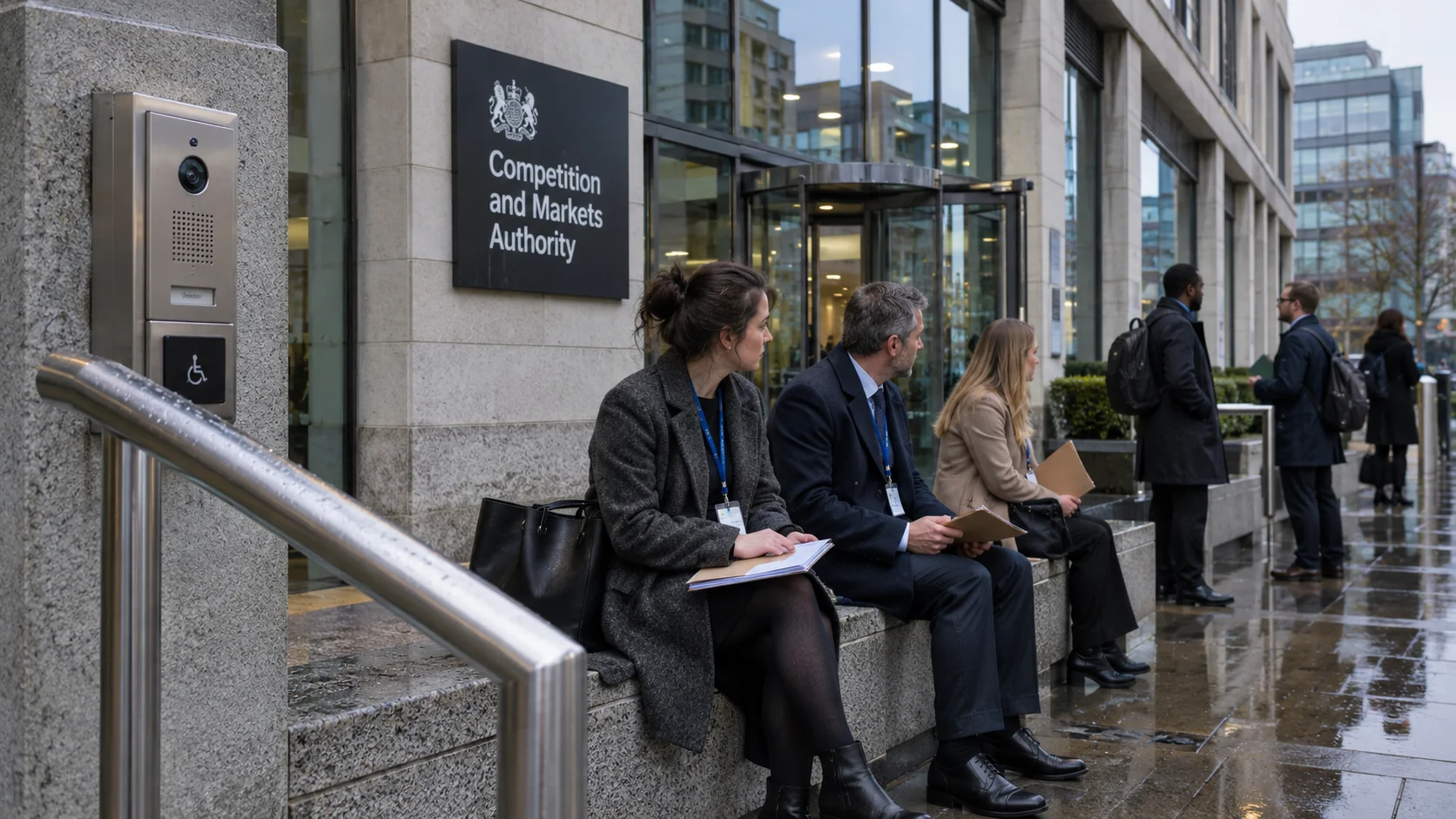
The UK’s Competition and Markets Authority confirmed the pause and said it was in urgent discussions with Meta, adding that it may use enforcement powers if it finds evidence of competition infringement. That procedural posture matters: the CMA is not merely observing a terms update; it is treating publisher complaints as a live market-power question ahead of a statutory deadline.
News Media Association chief executive Theo Bamber called the delay welcome but insufficient. As things stand, he said, Meta still forces publishers into an impossible choice — permit scraping or lose access to audiences on Facebook. The NMA wants clear public commitments to drop the offending elements before 20 November, and it urged the CMA to be ready to begin Strategic Market Status designation if Meta refuses.
The publisher argument: consent versus distribution
The European Publishers Council said on Friday that little has changed in substance despite the new date. Earlier in the week it warned that updated terms appeared to grant Meta a blanket licence to exploit a publisher’s work, including when a user shares a link to an article. For newsrooms, any additional use must require separate, express authorisation with a meaningful right to refuse without penalty — not acceptance bundled into maintaining a business page.
That is the bargaining line Culled’s platform liability ledger already traced from a different angle: Meta’s legal charges and AI infrastructure spend sit on the same corporate balance sheet as the data and content permissions that power its models. Q3 cash flow turned negative on capex even as advertising grew; training-data access is part of how Meta amortises that bill across products publishers depend on for reach.
World Association of News Publishers asked Meta to suspend the terms pending sector dialogue. EPP lawmaker Axel Voss told Rapporteur the proposal was textbook dominance abuse — no genuine consent when the alternative is leaving a distribution channel newsrooms rely on. Renew MEP Veronika Cifrová Ostrihoňová, a former journalist, urged the Commission to examine interim measures before 20 November if legal conditions are met.
Three levers before the new deadline
Regulators can seek binding conduct commitments under UK SMS procedures or DMA fairness rules, or interim measures in Brussels if infringement tests are met. Publishers can negotiate carve-outs for paywalled archives, link-sharing, and opt-out mechanics that survive a business-page click-through. Meta can narrow the licence language, decouple page access from AI training rights, or face a coordinated push across London and Brussels that turns November 20 into a compliance event rather than a quiet rollout.
None of those outcomes is guaranteed by the calendar slip alone. The date is now public, the CMA is engaged, and the EPC has asked for intervention before terms bind. What remains unresolved is whether platform participation for a news brand still means licensing the archive — or whether regulators will force Meta to unbundle distribution from data access before the next deadline arrives.
Continue reading


Sources
Rapporteur reporting on the November 20 delay, CMA and Commission statements, European Publishers Council and NMA reactions; prior Culled coverage of Meta liability and AI capex.


