

Chinese refiners suspended oil-product exports beyond Hong Kong and Macau until Beijing says otherwise, four trade sources told Reuters on October 1. PetroChina cancelled several October gasoline and jet-fuel cargoes it had fixed in the prior two weeks. The pause is about inventory, not holiday optics.
Chinese refiners have stopped shipping oil products to destinations outside Hong Kong and Macau until Beijing gives further instructions, according to four people briefed on the matter. The National Day holiday began on October 1 without the usual export clearances for major state and private refiners. PetroChina, the listed arm of China National Petroleum Corp., cancelled a handful of gasoline and jet-fuel cargoes planned for October — deals it had committed to in roughly the last two weeks, three of the sources said.
The move is not a surprise if you track inventories instead of headlines. Beijing tightened fuel exports in March after the Iran war disrupted Middle Eastern crude flows to the world’s largest importer. Quotas eased in July, but product shipments have been managed month by month ever since. Trade estimates cited in industry press show September loadings of diesel, gasoline, and jet fuel — including bonded volumes to Hong Kong and Macau — already running below August. Kpler analysts told trade publications that commercial gasoil and diesel stocks sat roughly 20 million barrels below comfort levels, with gasoline about nine million barrels short — a gap that makes withholding exports rational even when global prices scream for barrels.
What Beijing Is Optimizing
The binding constraint here is STATE, not refinery economics. Individual plants can earn more exporting into tight Asian cracks, but export permits flow through central quota politics. Golden Week travel lifts domestic gasoline and jet demand while officials watch storage tanks. Privately controlled Zhejiang Petrochemical did not schedule product exports during the holiday week, a fourth source said. Whether exports resume after the holiday ends on October 7 depends on inventories and run rates — not on a public timetable.
That is the reader’s map for “why now.” China is not joining the Iran war’s fuel panic as a donor of spare distillate. It is protecting motorists, airlines, and industrial diesel users at home while crude import costs stay elevated and product stocks sit thin. The same government that dissented on G20 trade language in Asheville is, in energy markets, acting like a sovereign that prioritizes domestic buffers over regional goodwill.
How the Shortage Propagates
China’s export basket matters because it is weighted toward middle distillates — diesel and gasoil — plus gasoline and jet fuel. UBS analyst Giovanni Staunovo noted that diesel markets were already tight; losing Chinese barrels adds pressure to cracks that decoupled from falling Brent weeks ago. PetroChina’s cancellations hit gasoline and jet first; diesel feels the follow-on as buyers hunt replacement cargoes.
The October pause stacks on other product shocks: Middle East disruptions from the unresolved Iran conflict, attacks on Russian refining infrastructure, and trader talk of possible Western strategic releases or export restrictions. None of those forces cancel each other out. They compete for the same spare refining capacity outside China — which is why KCM Trade’s Tim Waterer expects Asian refining margins, especially on middle distillates, to stay elevated while China acts as a swing supplier in reverse.
Crude Versus Products
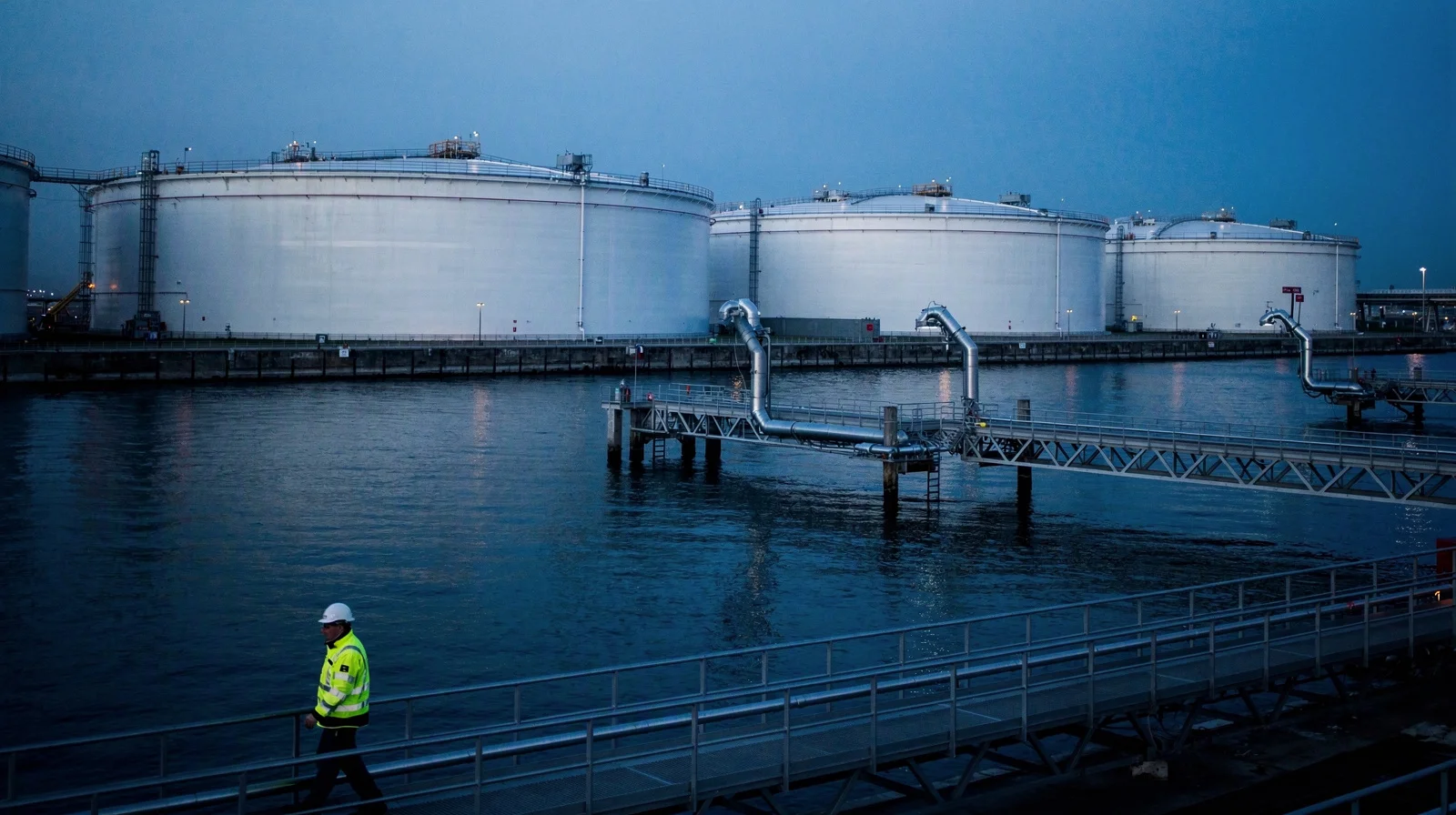
A common confusion: China imports crude; the world often feels Chinese products. Refiners turn imported barrels into diesel, jet, and gasoline. When export gates close, those molecules stay in Chinese tanks even if Brent dips on diplomacy headlines. That is the same product-versus-crude split Culled has tracked through Hormuz risk premia and OPEC’s paper-barrel debates: the crude price can move on geopolitical hope while pumps and jet fuel tenders still price scarcity.
September loading estimates — on the order of 1.4 million metric tons of diesel, 500,000 tons of gasoline, and at least two million tons of jet fuel — show China was already easing exports before the formal October halt. The holiday-week freeze makes the policy legible to traders who only watch fixture lists.
Beijing’s lever is not a press release about Hormuz. It is whether PetroChina’s October jet and gasoline cargoes sail — and right now, several will not.
What to watch: NDRC quota signals after October 7, PetroChina tender activity for November, and whether diesel cracks widen faster than crude on any Iran de-escalation. If inventories rebuild quickly, the halt may prove a Golden Week blip. If Middle East product flows stay impaired, a short domestic pause still removes one of Asia’s largest relief valves — and inflation models that anchor on Brent alone will miss the pump again.
Continue reading


Sources
Reuters Oct. 1, 2026 reporting from Singapore (four sources on export suspension, PetroChina cancellations, ZPC holiday scheduling); The Standard / trade estimates on September loadings; Kpler inventory commentary via Hydrocarbon Processing; analyst instant views (UBS, KCM Trade); prior Culled coverage of diesel-crack divergence and Hormuz risk


