

Fifty percent Section 338 tariffs hit about $20 billion of Canadian goods Saturday after Friday talks collapsed. Prime Minister Mark Carney suspended negotiations, citing last-minute U.S. terms that made any deal unreliable, and set dollar-for-dollar retaliation for Sept. 8. The midweek pause was a calendar trick; the veto was reliability.
Saturday’s tariff was not a surprise. Friday’s veto was.
At 12:01 a.m. Eastern, the United States imposed 50 percent duties under Section 338 of the Tariff Act of 1930 on roughly $20 billion of Canadian goods — wine, furniture, dairy, cement, clothing, fishing rods, hockey equipment. The slice is about 5 percent of Canada’s U.S.-bound exports inside a two-way goods relationship that exceeds $700 billion a year. Prime Minister Mark Carney had already recalled Dominic LeBlanc and Janice Charette to Ottawa. U.S. Trade Representative Jamieson Greer said no further talks were planned.
The wire frame is bilateral blame: Ottawa walked, Washington levied, both claim the other moved the goalposts. That frame is accurate. It is also the wrong residual.
What the Headlines Already Said
Trump paused the same Section 338 package midweek and announced a deal subject to documents. Negotiators stayed at USTR past 10:30 p.m. Friday. Carney called last-minute U.S. terms “uneconomic” and “unfair,” and said they “called into question the reliability of any deal.” Greer said Canada walked back earlier commitments and still enjoys the best access of any partner. Canada will match the new duties dollar for dollar from Sept. 8 — the Tuesday after Labour Day — concentrated on steel, dairy, appliances, agricultural equipment, pulp and paper, and electronics, including products already under Section 232 and 338.
That summary is what every capital desk already has. It does not explain why a near-deal died over fine print when the headline tariff was always the same 50 percent instrument.
If the Pause Meant a Deal, Why Did Reliability Kill It?
Section 338 is Depression-era authority that requires no investigation and sets no sunset. Greer’s July statement framed it as offsetting Canadian “discrimination” on vehicles, alcohol, and dairy. Once invoked, the levy is a standing operating system for North American commerce, not a one-week bargaining chip. A three-day pause does not rewrite that architecture. It only moves the clock.
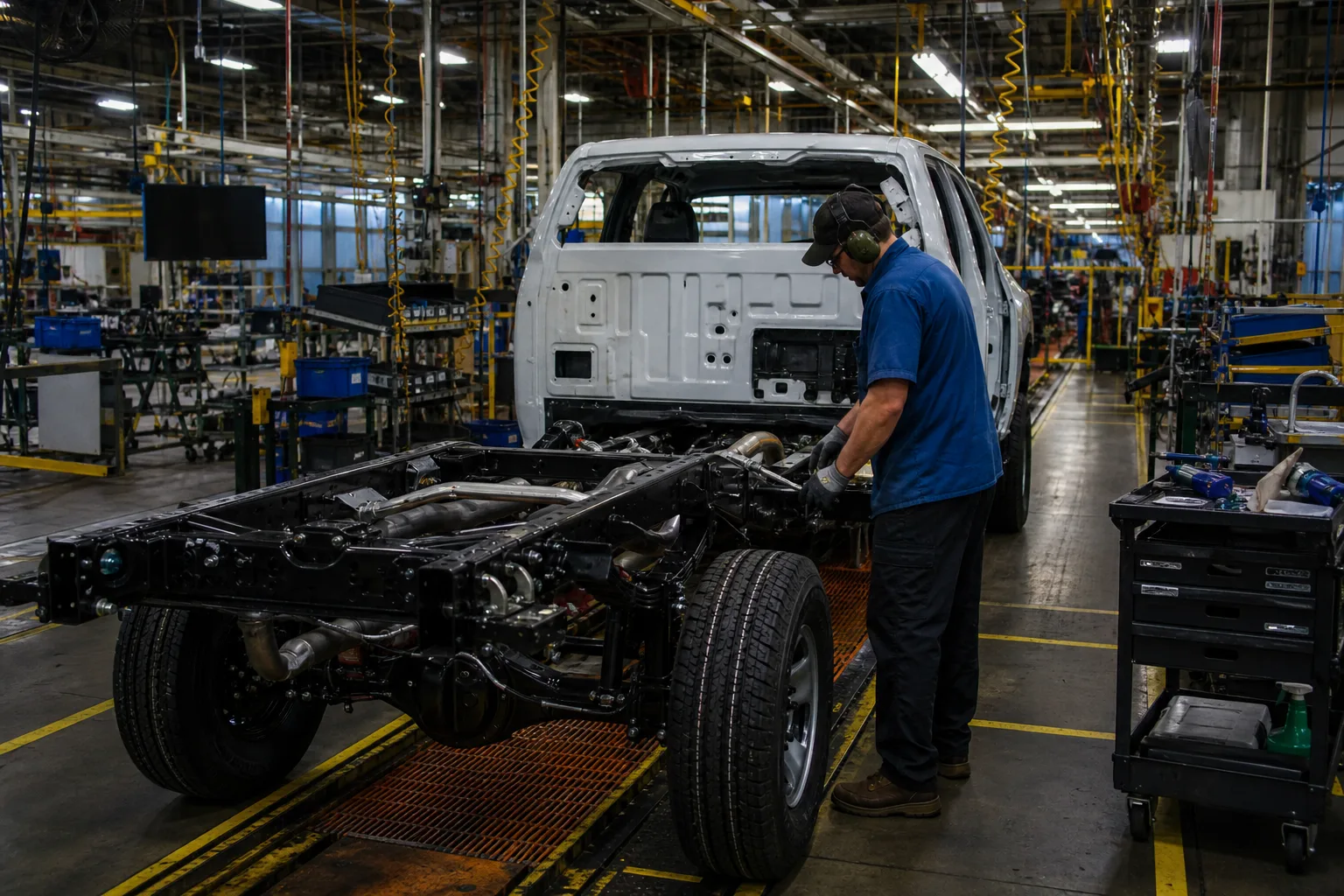
What moved Ottawa was the cumulative ask, not the rate. Carney’s Saturday remarks listed red lines that never left the table: sovereignty, French-language protections, culture, and Canada’s freedom to strike other trade deals. People familiar with the talks also cite a last-minute standoff over extending light-duty vehicle tariff relief to medium- and heavy-duty trucks — the line that covers Ford’s Oakville Super Duty production. Deny trucks, Carney said, and a retooled plant is “excluded. No rationale.”
The midweek pause priced hope. Friday priced whether Washington’s signature would still mean the same thing on Monday.
That is the mechanism markets underweight when they treat Saturday as “just 5 percent of exports.” A tariff schedule you can model is cheaper than a partner whose terms reset at 10 p.m. Carney’s line that America’s signature is sometimes “written in pencil” is not rhetoric. It is the investment case against locking Canada into a deal that can be reopened by the same statute that just fired.
The Continental Clock Now Runs to Sept. 8
Carney’s energy arithmetic still binds both sides. Canada supplies most of America’s imported natural gas, electricity, and a majority of its crude; the merchandise “deficit” Washington cites is largely an energy surplus for U.S. buyers. Tariffs on hockey sticks do not rewrite that ledger. They rewrite plant-level decisions about where the next truck line, dairy shipment, or pulp contract clears.
Ottawa is already building the alternative. Canada is spearheading EU-CPTPP alliance talks because bilateral reliability failed first. Sept. 8 is when Canadian importers start pricing mirrored U.S. steel, dairy, and electronics duties into domestic shelves — and when U.S. exporters learn that “focused retaliation” is a customs schedule, not a press conference.
What Still Misprices
Portfolios still treat Section 338 as a Canada story with a small export numerator. The binding constraint is procedural: an instrument with no investigation requirement and no expiry date sitting beside USMCA talks that just got harder. Peace can be priced before fixtures clear; talks can survive and still jolt markets when implementation lags the headline. Saturday was implementation.
Watch three tests into September. First, whether Greer and Carney reopen a channel before Sept. 8 or let the mirror list print. Second, whether truck and auto supply chains reprice Oakville and Kentucky as one system or two customs regimes. Third, whether USMCA review language treats Section 338 as a permanent lever rather than an emergency tool.
If Sept. 8 arrives with a quiet technical fix, the rupture was deadline drama. If the mirror list lands and third-country deal restrictions stay in the U.S. ask, continental commerce will have confirmed Carney’s diagnosis: the climate changed, and the pause was weather.
Continue reading


Sources
Reuters Aug. 22 on Section 338 duties and Sept. 8 retaliation; CBC full Carney remarks Aug. 22; USTR Greer statements on Section 338 authority; reporting on truck-relief standoff and Ford Oakville Super Duty production; prior Culled coverage of EU-CPTPP diversification and tariff-peak thesis.


