

Bangladesh's banking stress is showing up in capital goods, not only in loan tables. Industrial machinery imports fell 32.5 percent in the first two months of fiscal 2026–27, Bangladesh Bank data show, even as overall import spending rose. Private-sector credit growth remains below 5 percent, the World Bank still projects 3.4 percent GDP growth for FY2026–27, and officials have sought an additional $10 billion in World Bank financing over three years—an ask, not an approved program—to cushion energy subsidies and broader macro pressure.
The banking breakdown Culled mapped yesterday was always going to show up somewhere beyond the NPL tables. The first hard print is capital machinery: Bangladesh imported $506.9 million of industrial equipment in July and August, the opening two months of FY2026–27, according to Bangladesh Bank figures cited by local reporting. That is down 32.5% from $750.7 million in the same window a year earlier.
The World Bank’s October assessment still frames the macro bind: growth near 3.4% in FY2026–27, with financial-sector, energy, and revenue weaknesses continuing to weigh on investment. Private-sector credit growth remains below 5%—the same stalled channel that made a 33.2% non-performing loan ratio dangerous for the next production cycle, not just for bank shareholders.
Imports Up, Machinery Down
The machinery slide is not a simple “imports are collapsing” story. Reporting on the Bangladesh Bank data notes that overall merchandise import spending rose roughly 12.1% year on year in the same period. Firms are still buying goods through the border; they are pulling back on the category that usually signals new lines, expansions, and modernization. Imports of other industrial capital goods also fell, by about 12%, and government development spending has slowed—three separate dials pointing the same way.
That split matters for interpretation. Weak machinery can reflect cautious demand, but when headline imports rise while capital goods fall and banks ration credit, financing and balance-sheet constraints belong in the same sentence as cyclical caution. The falsifier is not one month of apparel orders; it is machinery recovering alongside sustained private credit growth and audited NPL recognition rather than forbearance.
Garments can keep the current account open. They cannot install the next machine without a bank that will lend.
The $10 Billion Ask—and What It Would Prove
On the sidelines of the World Bank–IMF annual meetings in Bangkok, Bangladesh raised a much larger external-financing question. Reporting from The Business Standard describes a government request for an additional $10 billion from the World Bank over three years, on top of regular assistance, to help manage rising energy subsidy costs and broader economic pressure. Finance Minister Amir Khosru Mahmud Chowdhury told reporters the World Bank pledged support but did not publicly confirm a figure; a ministry official attributed the $10 billion number to the Bangladesh side of the table.
Treat that number as a financing ask under negotiation, not a signed package. Dhaka is also working toward a three-year Country Partnership Framework that would frame any supplemental lending. Separately, Khosru pointed to IFC interest in bank recapitalisation—closer to the investment channel than pure subsidy finance, but still contingent on terms and execution.
The policy question rhymes with how global finance prices scarce access to dollars and balance-sheet capacity when throughput rights become collateral. Bangladesh’s garment corridor is not a queue for grid interconnect, but the mechanism is similar: without credible intermediation, the right to expand production does not clear. See how lenders treat priority access as collateral for the developed-market mirror; Bangladesh’s version is onshore, in regulated banks, and now visible at the customs line.
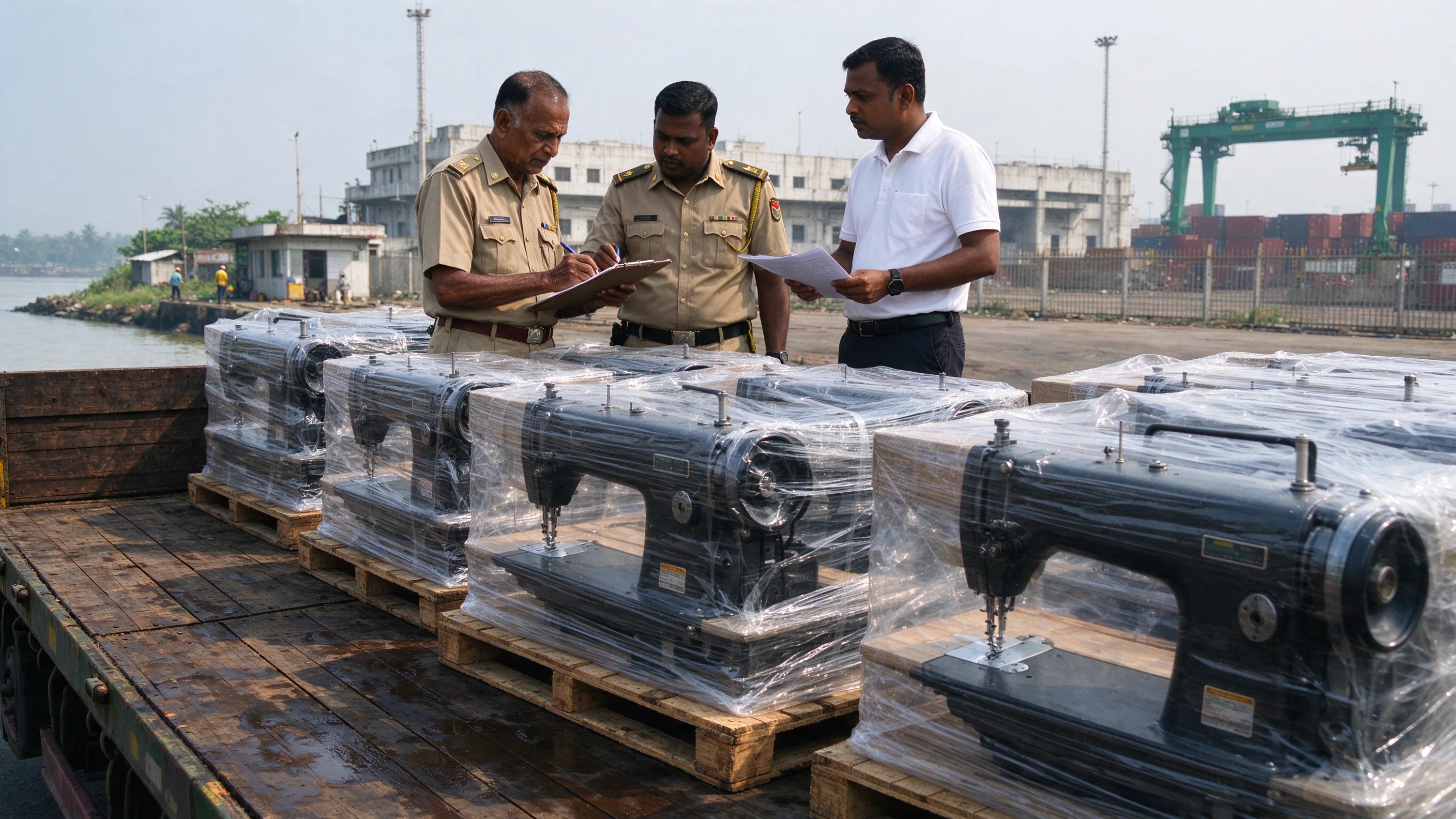
What Would Unfreeze the Cycle
Export resilience bought time; it does not replace the investment leg. Machinery imports at mid-2020s levels—reporting puts prior peaks near $5 billion annually—are a reminder of how far the capital-goods channel has retreated from expansionary norms.
Recovery would look like a bundle, not a headline: private credit growth moving into high single digits with transparent NPL cleanup; machinery and broader capital-goods imports rising in tandem with factory orders; and any World Bank or IFC money flowing through recapitalisation and energy reform that restores margins for producers, not only through the subsidy ledger. Until those series move together, Bangladesh’s credit freeze is best read as an investment freeze—and the reform test is whether external support reopens productive lending or merely funds the bill while machines stay on the dock.
Continue reading


Sources
World Bank press release Oct. 6, 2026 (FY26–27 growth 3.4%, reform call); bdnews24 Oct. 13, 2026 on 32.5% machinery-import drop and sub-5% private credit; The Business Standard Oct. 15, 2026 on $10 billion additional World Bank financing request at Bangkok annual meetings.


