

On the atrium floor of Siam Paragon, surrounded by gleaming vitrines and high-octane luxury marketing, a watchmaker works quietly at a high-top wooden bench. Bangkok Watch Week 2026 (22–27 September) stacks more than 45 brands — a 50% jump on 2025 — but the strategic signal is craft: FHH education, certified servicing benches, and a collector base less tethered to tourist spend.
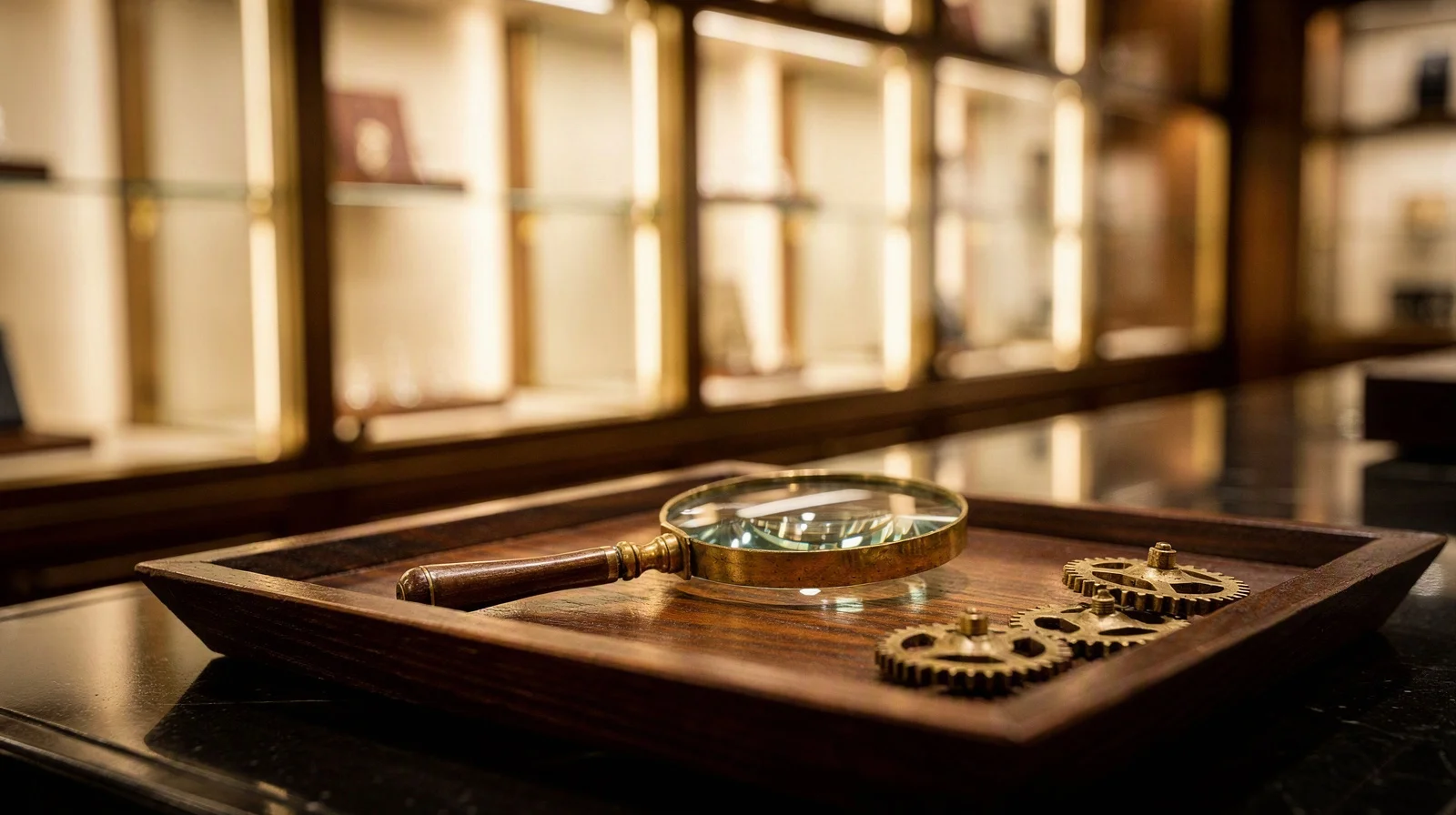
On the atrium floor of Siam Paragon, surrounded by gleaming vitrines and high-octane luxury marketing, a watchmaker works quietly at a high-top wooden bench. Clad in a crisp white lab coat, loupe flipped over one eye, they ease a balance spring into place with precision tweezers.
That juxtaposition captures the core theme of Bangkok Watch Week 2026 (22–27 September 2026). Behind the fanfare of more than 45 luxury brands — a 50% increase on the inaugural 2025 edition — lies a deliberate shift in strategy: Bangkok is moving beyond functioning as a luxury retail hall and toward building a self-sustaining horological ecosystem.
Trade Data vs. Market Depth: Reading the Signal
The commercial backdrop reveals a market navigating recovery and structural change. According to data published by the Federation of the Swiss Watch Industry (FHS) in September 2026, Swiss watch exports to Thailand reached CHF 159.3 million for January through August 2026 — up 9.6% year-on-year from CHF 145.3 million over the same period in 2025.
The rebound is real, but the export figures need some unpacking. FHS numbers measure wholesale shipments into local distribution networks, not direct over-the-counter sales to collectors — so they’re a proxy for retailer confidence more than consumer demand. And despite the 2026 uptick, current export volumes still sit 11.9% below the CHF 180.7 million recorded over the same period in 2024, meaning the market hasn’t fully normalized. The 2026 growth looks more like authorized dealers restocking and expanding brand presence than a surge in speculative end-consumer buying.
From Glamour to Craft Infrastructure
Rather than leaning solely on high-profile product drops, the 2026 event foregrounds long-term market fundamentals through a strategic partnership with the Fondation Haute Horlogerie (FHH). That shift rests on three pillars:
Collector education. FHH-led seminars and masterclasses aim to shift local conversation away from pure asset appreciation and toward movement architecture, finishing techniques, and historical provenance.
Local servicing and maintenance. Certified watchmaking benches installed directly in retail centers are meant to build regional trust — collectors buying high-complication pieces increasingly expect local repair capability rather than having to ship timepieces back to Switzerland.
Sustaining domestic demand. Education and after-sales infrastructure are meant to cultivate a resilient local collector base, which acts as a buffer against swings in international tourist traffic.
Retail Dynamics: Local Residents vs. Tourist Spend
The central question for retailers in Bangkok’s luxury belt is how to balance resident collector demand against transient visitor spending, and the two behave very differently.
Tourist buying tends to be driven by currency arbitrage, tax-free shopping, and instant gratification, concentrated in core iconic models and recognizable entry-to-mid luxury pieces — demand that’s volatile, tracking travel trends and exchange rates. Resident collectors, by contrast, are motivated more by brand history, rarity, and long-term relationships with a house, gravitating toward independent watchmaking and tailored allocations; their demand is comparatively resilient, sustained by ongoing brand engagement and local community.
Authorized dealers are trying to serve both: maintaining inventory velocity for tourist footfall while investing in concierge services, education, and maintenance to deepen ties with Thai collectors and convert casual luxury shoppers into returning clients.
The Path Forward
The presence of a working watchmaker’s bench amid Siam Paragon’s retail displays says something about how Southeast Asian luxury hubs are maturing. By pairing commercial distribution with craft education and technical support, Bangkok is laying groundwork for a collector market that’s stable, knowledgeable, and less dependent on any single source of demand.
Continue reading


Sources
Federation of the Swiss Watch Industry (FHS) export data January–August 2026; Bangkok Watch Week 2026 program and brand count; Fondation Haute Horlogerie partnership disclosures; Culled luxury discretionary coverage


