

While global bond yields and Gulf oil still dominate the macro desk, The O2 in London is sold out on a different frequency: the Laver Cup runs September 25 through 27, 2026, with Team Europe and Team World rosters stacked for star sessions, premium packages approaching roughly $17,000 including VAT and fees, Flexjet on the sponsor slate, and merchandise lines built for affluent travel. It is discretionary spending you can photograph.
The same week bond desks repriced global duration and grocery models digested diesel lag, London’s North Greenwich peninsula is running a different experiment: can luxury discretionary still clear at scale when the median household is rationing trips, trading down aisles, and refinancing into higher rates? The Laver Cup answers in floodlights.
The event runs Friday through Sunday, September 25–27, 2026, inside The O2 — the same indoor arena that hosted Roger Federer’s emotional 2022 farewell in Laver Cup colors. Format-wise, Laver Cup is tennis’s team exhibition: two nights of singles and doubles, captains on the bench, Ryder Cup cadence with ATP star power. It is not a major; it is a sports-business product optimized for broadcast hooks, corporate tables, and destination weekends.
Rosters Built for Camera and Corporate
Team Europe arrives with Carlos Alcaraz, Alexander Zverev, Flavio Cobolli, Pablo Jódar, Jakub Mensík, and Casper Ruud, captained by Yannick Noah. Team World counters with Taylor Fritz, Alex de Minaur, Brandon Nakashima, Learner Tien, Alexander Bublik, and Francisco Cerúndolo, captained by Andre Agassi. The names are the monetization engine: Alcaraz and Fritz anchor Friday-night storylines; de Minaur and Ruud give regional broadcasters local hooks; Cerúndolo and Mensík signal the tour’s next commercial cohort.
For sponsors, the roster is a bundle of demo targets — luxury autos, watches, private banking, and aviation — without owning a Grand Slam’s bureaucratic thickness. Laver Cup sells access density: fewer seats than Wimbledon, more guaranteed player minutes on court.
The O2 as a Luxury Retail Shell
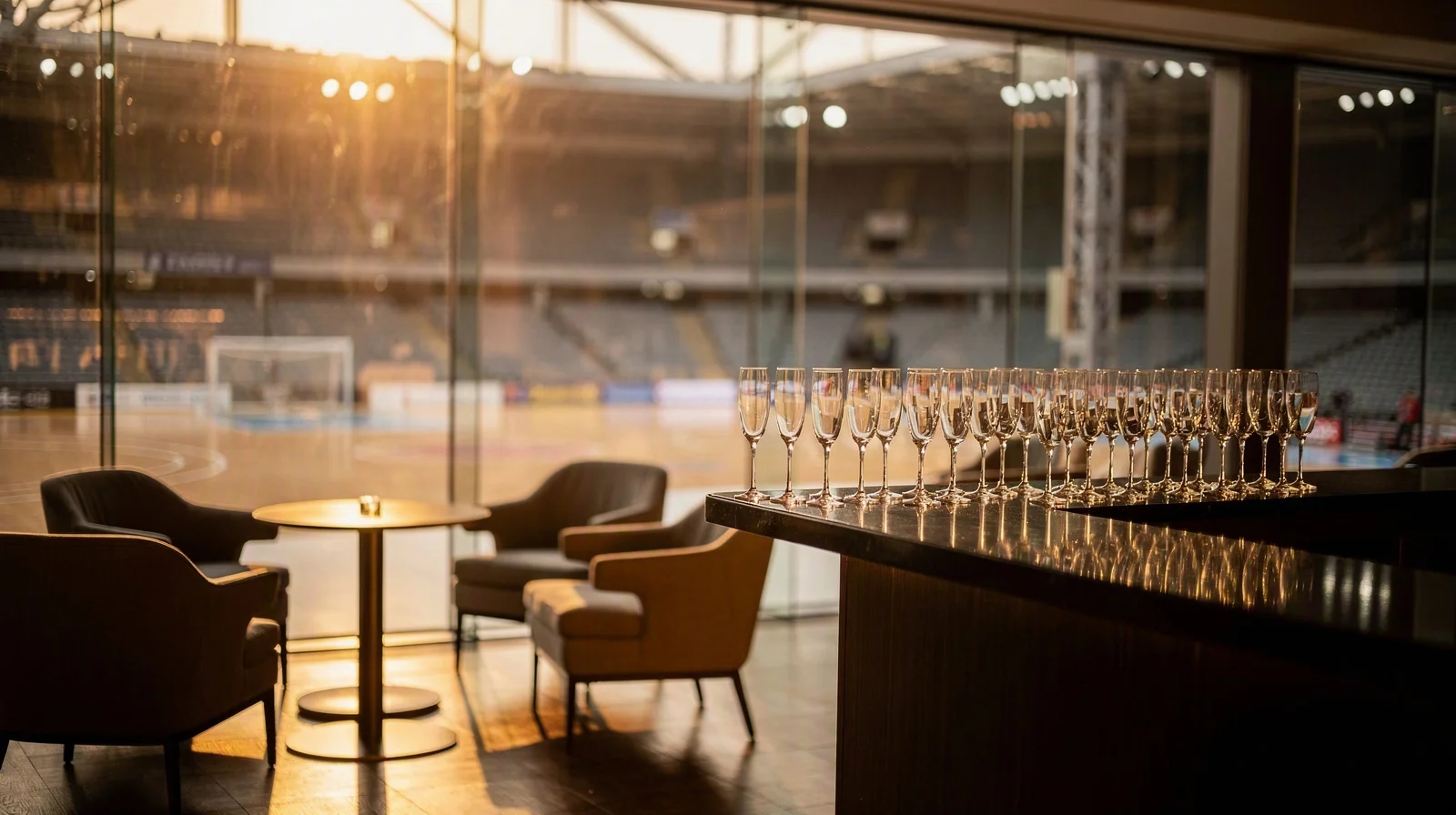
The venue matters economically. The O2 is not only a 20,000-seat bowl; it is a hospitality stack — private entrances, club seats, suites with pitch-side sightlines, and concierge flows that turn a session into a full-evening SKU. Premium packages for marquee London sports nights routinely stretch into five figures once hospitality, service charges, and VAT are embedded; Laver Cup’s top tiers sit in that band, with public listings approaching roughly $17,000 including VAT and fees for the most inclusive experiences.
That price point is not mass discretionary spending. It is capital’s leisure wallet — the same slice Culled tracks when K-shaped strain shows up in credit-card cohort data while equity wealth holds up. A $17,000 weekend line item is a down payment on a used car in many U.S. counties; in Greenwich, it is a table for two nights, flights, and the story you tell on Monday.
Sponsorship Economics: Flexjet and the Travel Margin
Laver Cup’s sponsor slate reads like a wealth-management flyer. Flexjet’s role as private-aviation partner is the tell: the event sells not just seats but door-to-door time savings for spectators who treat London as a pit stop between Dubai, New York, and Geneva. Aviation partnerships convert discretionary spending from “ticket” to “trip” — FBO transfers, branded lounges, and content rights that recycle on social channels owned by affluent followers.
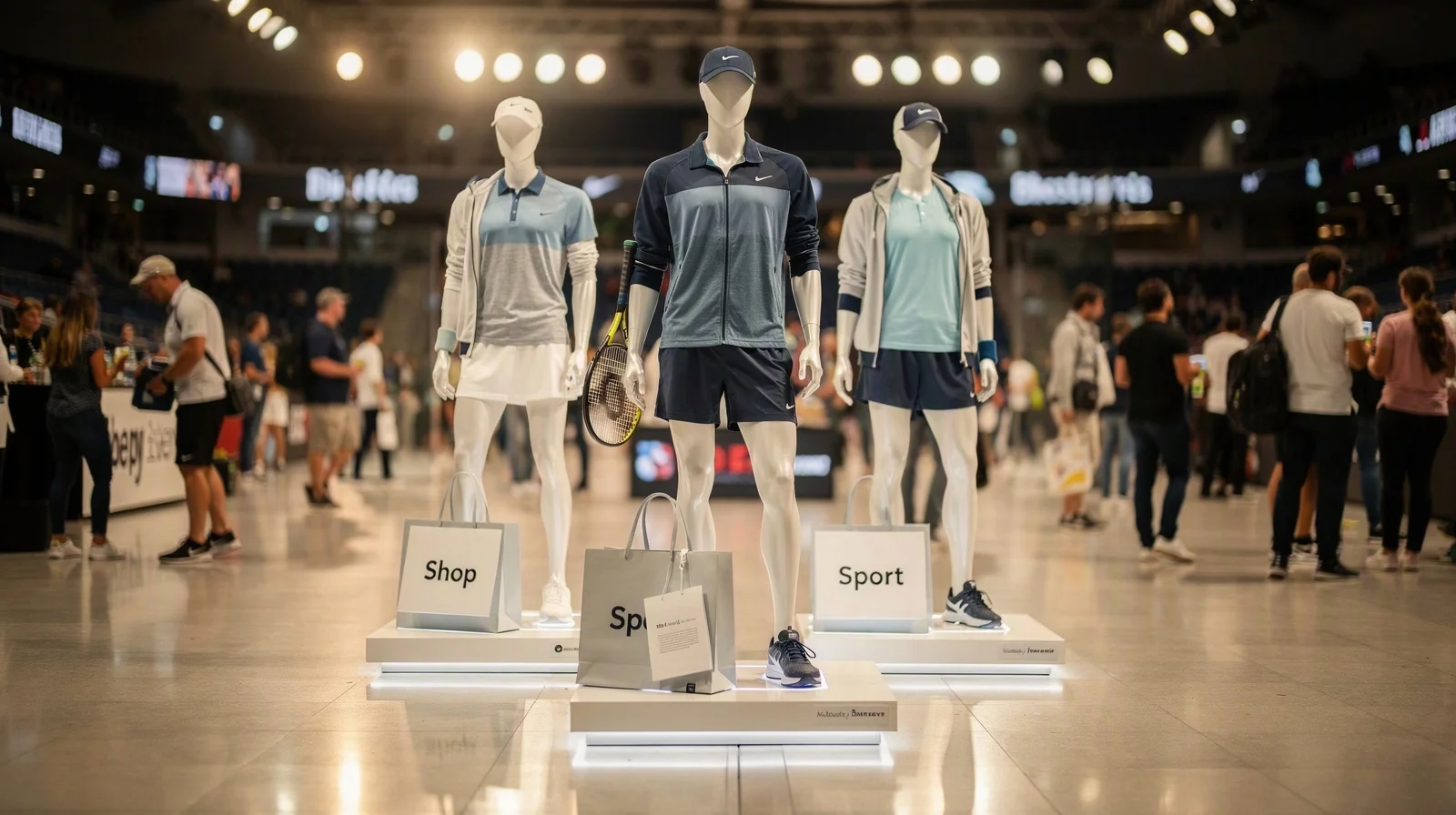
Merchandise collaborations extend the same logic. Limited-run apparel and accessories turn fandom into collectible spend, the way luxury houses use drops to manufacture urgency. Unlike grocery inflation — where fuel surcharges hit shelves on a lag — Laver Cup merch is priced day-one for willingness-to-pay, not cost-plus.
Travel, Hotels, and the London Premium
A Laver Cup weekend pulls hotel ADR in Canary Wharf and the City, black-car hours, and restaurant covers. Even spectators not in hospitality tiers spend on bundles: trains from Paris, short-haul flights from Madrid, boutique hotels for a 48-hour loop. That is discretionary spending with a multiplier — the arena is the anchor tenant; the borough is the upsell.
Contrast with Culled’s macro consumer pieces this month: diesel-linked grocery pressure, bond-duration household math, AI capex that does not touch the weekly shop. Laver Cup spending is orthogonal to CPI food-at-home. It shows up in services, travel, and recreation categories that lag energy shocks — and in brands’ Q4 guidance calls as “experiential resilience.”
Why This Weekend Is a Stress Test, Not a Party Photo
Three reasons the event belongs on a economics desk, not only a sports page:
-
Timing — It lands the same week global rates screamed higher and oil diplomacy flickered. If luxury weekends still sell through, high-end discretionary is decoupled from the median-consumer narrative. If hospitality discounts appear last-minute, capital is tightening its leisure belt.
-
Venue memory — Federer’s 2022 farewell proved The O2 can host global sentiment. Promoters price memory into packages. Emotional premium is part of the model.
-
Visible inequality — Television will show Agassi and Noah on the bench and suites full of sponsors. Households cutting back see the split in one frame — politically charged, commercially intentional.
The Middle Market Below the Suites
Not every seat is $17,000. Upper-bowl tickets and single-session passes keep the event from becoming purely a corporate conference. That middle tier is the marginal consumer sports leagues worry about: fans who still travel but book shorter stays, share rooms, and cap merch. Watch secondary-market prices Sunday — they are a crude auction for discretionary confidence.
Tennis also carries regional skew: European and American core fans with strong currency and flight options versus emerging-market supporters priced out by exchange moves. Laver Cup’s London placement tilts toward global HNW density, not accidental geography.
Falsifiers
This luxury-discretionary frame weakens if:
- Hospitality partners publicly cut minimum spends or bundle discounts inside 48 hours of session start;
- Merchandise sell-through reports flop on Monday calls;
- 2027 host-city bidding shows sponsor revenue down year-over-year.
Until then, treat Laver Cup 2026 as a live sensor — not a macro input like payrolls, but a high-frequency read on the top decile’s willingness to spend in public.
Desk Compression
Culled will keep following bond duration, Gulf energy, and grocery lag — the constraints on the median wallet. The Laver Cup is the counterweight in the same calendar: Team Europe vs. Team World on court, capital vs. labor off it, under one dome where Federer said goodbye and Alcaraz now sells the next era of tennis luxury.
If discretionary spending were uniformly weak, you would not stack Alcaraz, Agassi, Flexjet, and five-figure tables in Greenwich on the heaviest macro week of September. The event’s existence is the datapoint. The scoreboard only tells you who won the sessions; the receipts tell you who still believes the soft landing includes them.
Continue reading


Sources
Laver Cup 2026 schedule and roster reporting; O2 premium hospitality pricing including VAT/fees; sponsor disclosures (Flexjet); Federer 2022 Laver Cup farewell at The O2; Culled consumer macro coverage (K-shaped strain, Q4 fuel lag)


