

POSCO’s labor union said members on Sunday rejected a tentative wage agreement by 4,744 votes to 4,433 out of 9,177 cast, defeating a deal that offered 2.6 percent base-pay growth, a one-time 6 million won payment, and expanded holiday bonuses after 140 days of talks and the company’s first strike since 1968—the binding constraint is LABOR insisting on profit-linked pay while steel margins compress, not semiconductor fabs, yet heavy-industry bargaining now mirrors the bonus fights roiling AI supply chains elsewhere in Asia.
Micron’s Taiwan bonus dispute showed how AI memory supply risk travels through symbolic strikes. **POSCO** is older metal and narrower margins, but the same pattern appears: workers want profit-sharing language management tempered into holiday bonuses scheduled for **2028**. A 311-vote margin is thin enough for another table round—and wide enough to unsettle customers already juggling input costs. The open question is whether another walkout follows or the 311-vote margin forces a sweeter profit-pool offer.
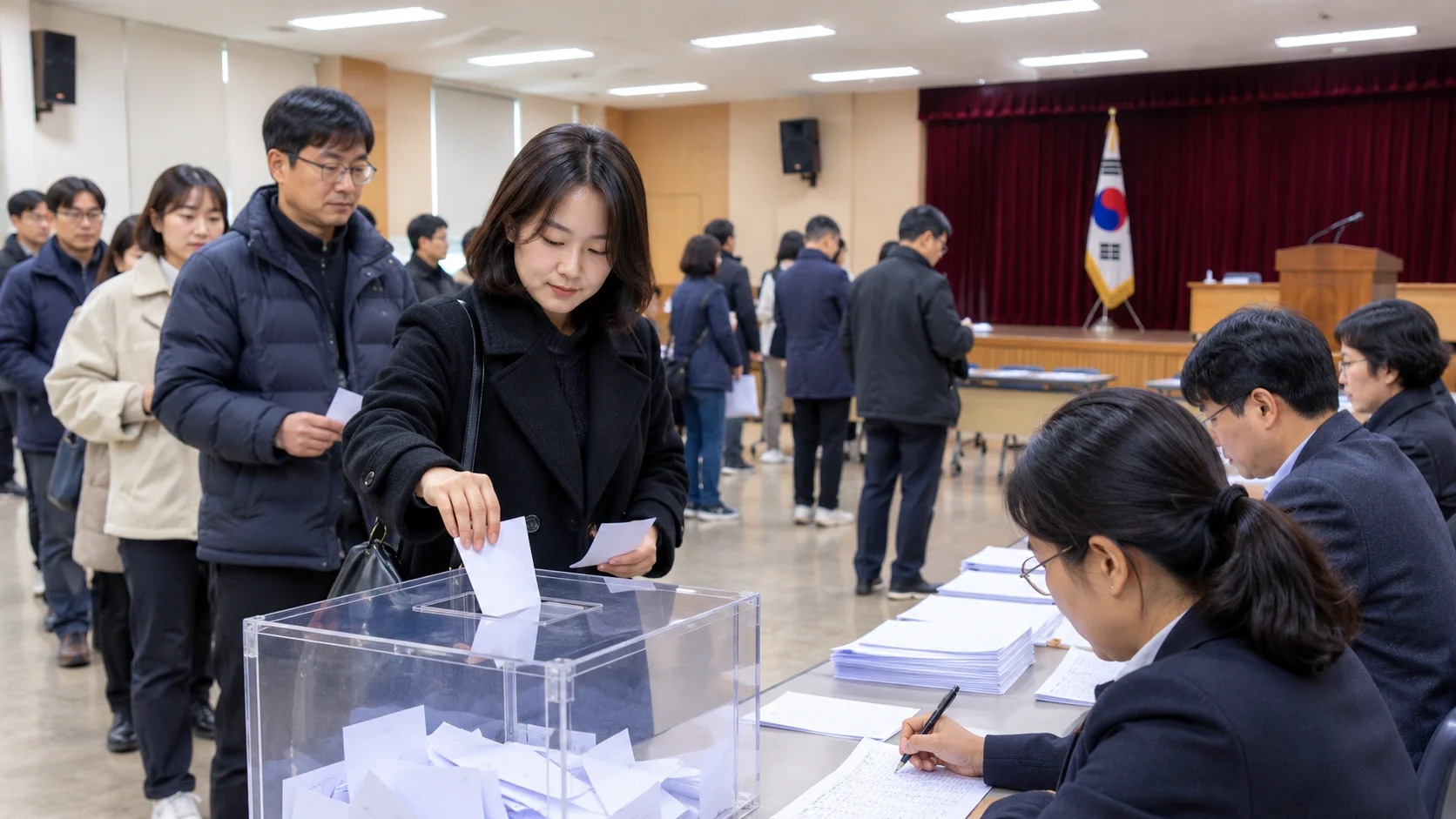
Pohang, Nov. 8 — POSCO thought it had closed the book on the strike season. Instead, the union reopened it with numbers: 4,744 votes against and 4,433 for, a 311-ballot loss on a tentative package that included 2.6 percent base-pay growth, a one-time 6 million won ($4,340) payment, and richer holiday bonuses, The Korea Times reported Sunday. Talks began June 16; management and the union held roughly 30 formal and working-level sessions before September’s partial strikes—the first in POSCO’s history since 1968.
The rejected deal was not a management lowball on paper. It beat the company’s opening 1.2 percent base-pay proposal tied to operating-profit targets and added schedules to raise holiday bonuses to 30 percent of base pay from 2028, plus shift and job allowances. Workers had opened with 7.1 percent base growth, a performance bonus worth 600 percent of base pay, 50 shares per employee, and a holiday bonus at 200 percent of base. The gap that survived 140 days of negotiation was ideological: how much pay should float with profit when the steel cycle is soft.
Profit linkage in a cyclical metal
Korea’s integrated steelmaker anchors Pohang and Gwangyang, cities where blast furnaces and port berths set the local economic weather. A prolonged dispute threatens customers in autos, shipbuilding, and construction—sectors that do not command AI-style margins but still face deadline pressure. Unlike Micron’s Taiwan bonus fight, there is no HBM scarcity bid to cushion equity holders if output wobbles.
Yet the bargaining vocabulary rhymes. Samsung and SK hynix profit-pool formulas loomed over Taiwan mediation this autumn; POSCO workers pushed profit-linked language management translated into deferred bonus percentages. LABOR is treating cyclical surges as entitlement baselines; PLATFORM employers respond with one-time checks and distant bonus ramps to protect wage tables from permanent escalation.
The fault line is not the strike authorization form; it is whether bonuses replicate memory-semiconductor generosity in a commodity metal.
What happens next
The company said it will continue good-faith dialogue while weighing business conditions—standard phrasing that leaves undefined whether another walkout is scheduled. The Korea Times noted the narrow margin could still permit compromise; it also flags uncertainty because management may resist reopening profit-sharing after partially conceding bonus schedules.
Operational falsifiers are concrete: tonnage lost in September’s two partial strikes, order deferrals from Hyundai-linked steel consumers, and any spot premium on flat products if furnaces idle. None of those figures appeared in Sunday’s ballot reporting; Culled treats production impact as unproven until shipment data or customer advisories land.
Regional labor stack
East Asia’s industrial labor map is thickening. Taiwan memory, Korean steel, and Bangladesh apparel wages (where Culled has not yet published on the latest Gazipur protests) all test whether formal settlements restore legitimacy or only restart shifts. For capital-markets readers, POSCO is a reminder that AI supply-chain anxiety is not isolated to semiconductors—any large employer using profit pools as the marginal dollar of compensation can stall when workers reject “good enough” after a historic strike.
POSCO returned from its first strike with a deal on paper. Sunday’s ballot said the mill gate is not fully open yet.
Continue reading


Sources
The Korea Times Nov. 8 on union ballot and negotiation timeline; Culled Micron Taiwan labor coverage for regional profit-sharing context.


