

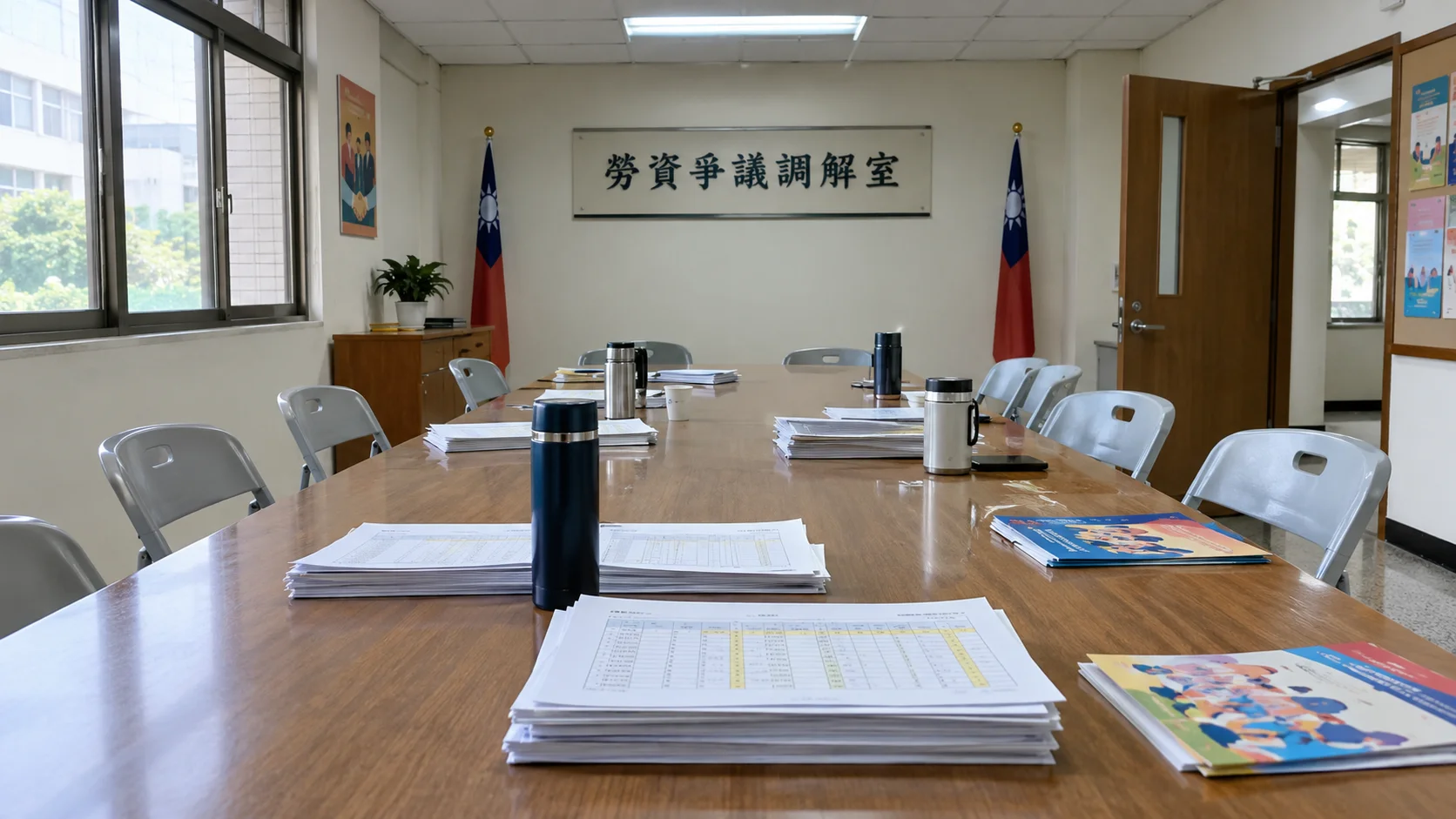
A union representing Micron Technology workers in Taoyuan, Taiwan, said Tuesday it would hold a one-day strike on October 22 over employee bonuses and profit sharing, the same day mediation is scheduled between the U.S. memory maker and a separate union at its Taichung operations. Micron's Taiwan fabs produce DRAM and high-bandwidth memory for AI servers; Reuters reporting establishes a planned labor stoppage, not lost output or shipment delays.
Taipei, Oct. 20 — A union representing Micron Technology workers in Taoyuan said it would launch a one-day strike on October 22, escalating a dispute with the Idaho-based memory chipmaker over employee bonuses and profit-sharing, Reuters reported. The date aligns with a mediation session between Micron and a separate union at its Taichung operations, the company’s largest site in Taiwan.
The Taoyuan union framed the stoppage as a warning strike rather than a break in negotiations, and said it would sign an agreement if Micron presented an acceptable profit-sharing proposal. Micron did not immediately respond to Reuters’ request for comment. What the wire establishes: a scheduled labor action at a manufacturing hub where Micron produces DRAM and high-bandwidth memory used in AI servers. What it does not establish: fab downtime, shipment slips, or a measurable HBM shortage.
Why Taiwan Labor Matters to Memory Pricing
Micron employs about 15,000 people in Taiwan and says it has invested more than T$1.6 trillion (roughly $50 billion) on the island. Taiwanese President Lai Ching-te last week called on Micron and its workers to negotiate sincerely — a political signal that the dispute sits at the intersection of industrial policy and social stability, not only shop-floor arithmetic.
The union’s demands are concrete: a firm offer on this year’s one-off bonus and a transparent, predictable profit-sharing formula going forward. Mediation with the Taoyuan union ended without agreement in September; members authorized strike action in early October. The Taichung union has not yet held a strike vote, so Thursday’s calendar stacks a Taoyuan stoppage against talks at the larger campus without a second walkout confirmed.
That calendar lands on top of a memory market already sorting capital from operations. Seoul’s October memory rout repriced Samsung and SK hynix on competition and financing fears while TSMC’s foundry strength kept the AI capex story alive — the foundry–memory divergence Culled mapped mid-month. Micron’s own margin narrative, laid out when Boise guided to record memory economics, assumed pricing power and tight HBM mix — not a labor constraint at a Taiwan output node.
The Korean Comparator
The Taoyuan union explicitly pointed to Korean rivals’ bonus formulas. In May, Samsung Electronics averted a strike by its South Korean union over bonuses, agreeing to set aside 10.5 percent of its chip division’s operating profit for special bonuses subject to profitability targets. SK hynix agreed last year to allocate 10 percent of annual operating profit to its profit-sharing program and removed a cap on payouts.
Those precedents matter because they show how memory leaders have bought labor peace while AI demand kept fabs full. Micron’s Taiwan fight tests whether the same bargain — transparent profit pools in exchange for predictable output — can close before investors treat labor as another supply variable alongside capex and bit growth.
A one-day warning strike is a negotiation tactic until fabs miss shifts or customers see allocation letters. Thursday is the first hard date on that spectrum.
What Would Change the Verdict
Confirmed production loss at Taoyuan or Taichung — missed shifts, yield hits, or customer allocation changes — would move this from labor headline to supply-chain evidence. A signed profit-sharing deal before or on October 22 would reinforce the warning-strike framing and likely leave memory pricing to the same forces that hammered Korean equities this month.
Until then, treat Micron’s Taiwan dispute as new operational evidence in the memory thesis: AI infrastructure still depends on HBM and DRAM at Taiwanese scale, and manufacturers must retain shop-floor stability while margins attract political attention. Follow mediation outcomes and any Micron statement on fab schedules; do not read a planned stoppage as a confirmed AI-memory shortage.
Continue reading


Sources
Reuters Oct. 20, 2026 (via Investing.com): Taoyuan Micron union one-day strike Oct. 22; coincides with Taichung mediation; warning strike over one-off bonus and transparent profit-sharing; September mediation failed; ~15,000 Taiwan employees; T$1.6T investment; President Lai urged sincere talks; Samsung May 2026 10.5% chip-division operating-profit bonus pool; SK hynix 10% operating- profit profit-sharing program. Prior Culled memory-rout and TSMC-foundry divergence coverage for market context.


