

Abu Dhabi has lined up three December anchors—the Guggenheim Abu Dhabi opening on December 11, the launch of Frieze Abu Dhabi with the Department of Culture and Tourism, and the Abu Dhabi Grand Prix on the same calendar. The programming reads less like three separate announcements than a single destination bet on overlapping audiences.
Abu Dhabi Is Packaging Culture as a Weekend Economy
December in Abu Dhabi is being sold as a circuit: a flagship museum opening, a fair that imports global gallery attention, and a race weekend that already moves hotel blocks. The economic logic lives in the overlap—not in any single ribbon.
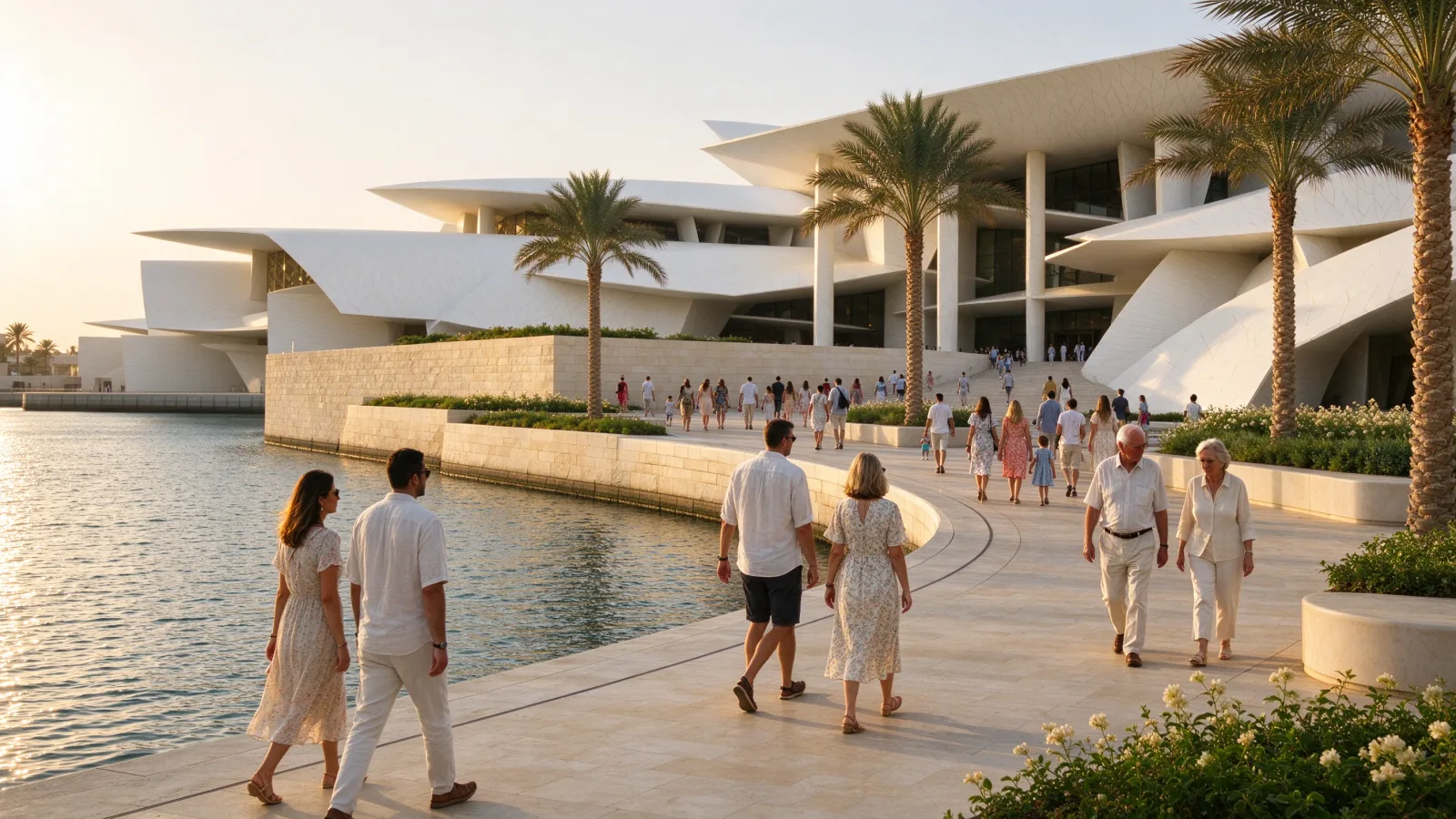
Cities have long used festivals, fairs and sporting finales to fill hotel corridors. Abu Dhabi’s December calendar is different in degree, not in kind: the emirate has scheduled a flagship museum debut, the launch of an international art fair and its Formula 1 season finale in the same month, with the museum opening on December 11, 2026 and the Grand Prix occupying the race weekend that follows. The Department of Culture and Tourism (DCT) is not merely announcing institutions. It is assembling a multi-day itinerary in which cultural credibility, art-market traffic and mass sports tourism reinforce one another.
The evidence here establishes programming and timing—not attendance figures, visitor spending or completed commercial outcomes. What follows is an analysis of how that stack is meant to work as destination economics.
Three audiences, one calendar
Each anchor speaks to a different traveler logic. A museum opening on Saadiyat Island offers institutional gravity: a reason for international press, cultural tourists and diplomatic visitors to treat Abu Dhabi as a primary stop rather than a layover. Frieze Abu Dhabi, announced in partnership with DCT, imports the fair circuit’s gallery relationships and collector footfall—the same professional class that already times travel around Basel, London and New York weeks. The Grand Prix, meanwhile, sells velocity and spectacle at a scale no white cube can match: grandstands, hospitality suites, broadcast rights and a global television audience that does not require an art-history degree to participate.
The value proposition is the interaction. A collector who flies in for preview days can extend a stay through the museum opening; a race guest who arrives for Yas Island can be nudged toward Saadiyat’s museum district; a cultural tourist who books around December 11 inherits optional add-ons that keep per-trip spending elevated. None of that requires the events to share a ticket. It requires them to share a week on the same credit-card statement.
That pattern rhymes with other prestige territories, though the Abu Dhabi version is more deliberately stacked. Monaco’s heritage weekends expose the civic machinery beneath a luxury brand; Abu Dhabi is building the machinery forward, tying new bricks-and-mortar culture to imported fair infrastructure and an existing sports anchor. Japan’s October franchise weekend shows how multiple timed activations can monetize overlapping fandom—but there the binding force is intellectual property and retail, not a state tourism authority sequencing global institutions.
Culture as infrastructure, not ornament
DCT’s role is the binding constraint. Unlike a single brand activation—Patek Philippe’s Milan exhibition, which widens cultural reach while scarcity still governs the watch market—the Abu Dhabi stack is sovereign destination design. The state chooses which global partners arrive (Frieze, the Guggenheim franchise), which districts receive capital (Saadiyat’s museum quarter, Yas’s circuit and entertainment cluster), and which weeks on the calendar become “Abu Dhabi weeks” in travel-agent shorthand.
Museum openings are often reported as cultural milestones. In destination economies they are also balance-sheet events: construction timelines, operating subsidies, retail and F&B concessions, hotel partnerships and the harder-to-measure lift in business events and second-home interest. A fair launch adds a parallel revenue layer—galleries pay for booths; sponsors buy naming rights; insurers, shippers and private bankers orbit the preview crowd. The auction houses’ drift toward private banking is a reminder that high-end cultural travel is rarely about the public ticket alone; it is about relationships that move across cities with the same clients.
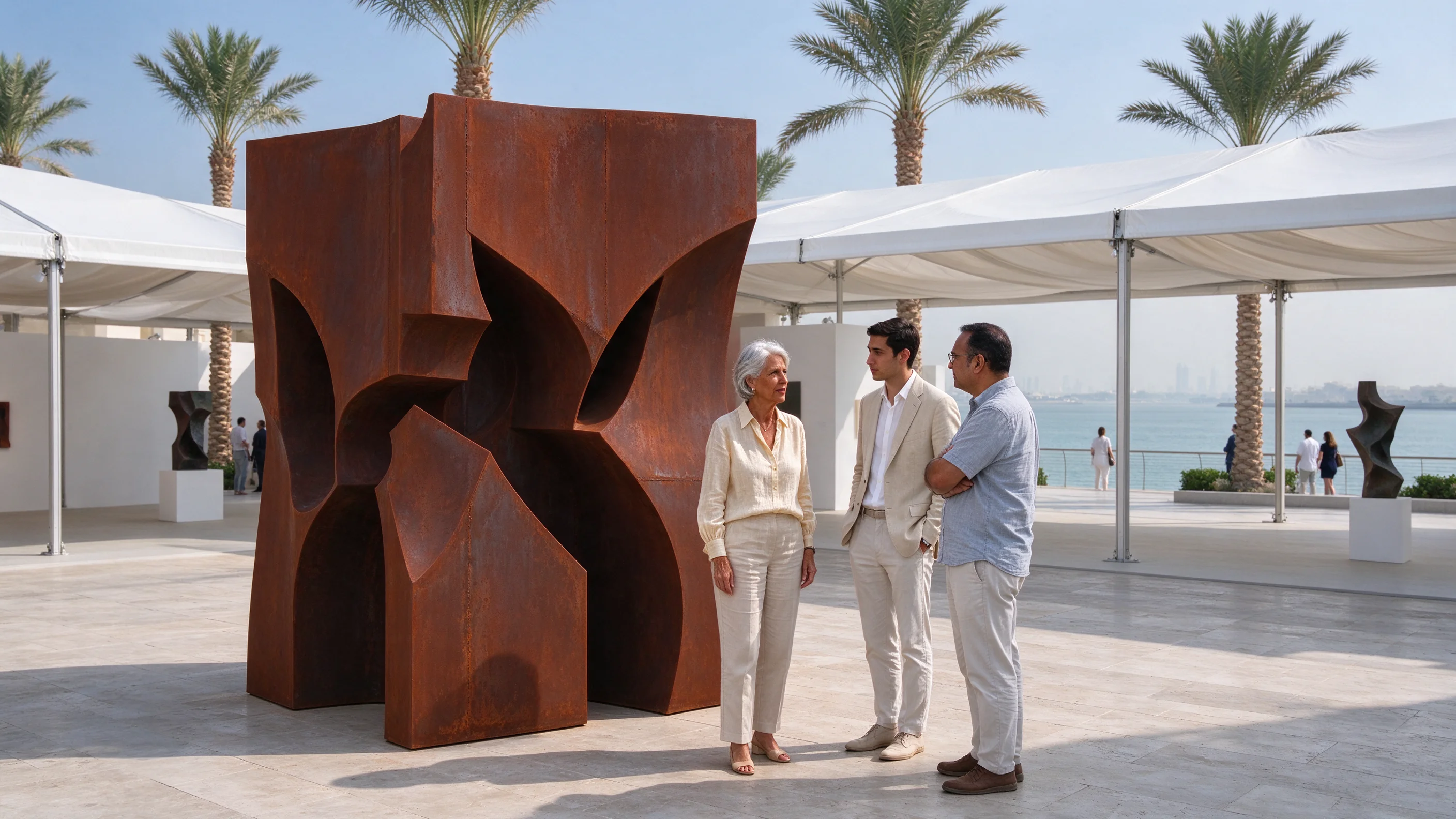
Abu Dhabi is betting that December can compress those layers. The announced dates do not prove the bet succeeds. They show the emirate treating culture as schedulable infrastructure—something that can be aligned with hospitality yield management the way a Grand Prix already is.
What the calendar does not yet prove
Sports-finale weekends already demonstrate demand shocks: rooms, charters, catering and retail spike around the circuit. Art fairs generate measurable booth economics for exhibitors and measurable hotel pressure in host cities when previews align with local luxury retail. Museum openings generate opening-season attendance headlines—but sustained visitation depends on programming, regional competition and repeat travel.
Without published attendance or spending data for this December stack, the prudent read is structural. Abu Dhabi is packaging distinct audiences into a single itinerary so that fixed costs—museums, districts, airline capacity, global marketing—amortize across more than one motive for travel. Failure modes are equally structural: if the fair’s first edition underwhelms dealers, if the museum opening is treated as a one-off spectacle, or if race crowds do not cross the bridge to Saadiyat, the stack becomes three expensive peaks instead of one elongated high season.
The product is not the Guggenheim, Frieze or the chequered flag. It is the December week in which all three make sense on the same itinerary.
For readers assessing cultural infrastructure as economic strategy, Abu Dhabi offers a concentrated case study. The emirate is not only adding institutions; it is timing them to collide with art-market calendars and a mass global broadcast. Whether that collision produces durable visitor spending or merely a memorable news cycle will depend on execution metrics the current announcements do not include. The calendar, however, is already the thesis: culture as a weekend economy, sold as a package before the receipts arrive.
Continue reading


Sources
Abu Dhabi Government Media Office announcements on the Guggenheim Abu Dhabi opening date (December 11, 2026) and the launch of Frieze Abu Dhabi in partnership with the Department of Culture and Tourism; Abu Dhabi Grand Prix official site for race-weekend timing on the December calendar.


