

Japan’s October 10–12 weekend brings Sonic exhibitions, anime attractions and Pokémon craftsmanship into the same commercial frame. These events give familiar characters new ways to earn and keep audiences engaged, while the financing of future games depends on a broader pool of corporate cash.
Japan’s Legendary Weekend Has a Franchise Business Behind It
From Sonic’s birthday to Naruto’s island attraction, Japan is giving old characters new places to earn. The commercial prize is an audience that keeps spending—and returns when the next game or film arrives.
Japan’s October 10–12 weekend offers a small exhibition of a much larger business. Sonic has entered a gallery. Naruto has a birthday celebration on Awaji Island. Pokémon has arrived at a history museum. In Osaka, Jujutsu Kaisen is selling visitors an afternoon inside its world.
Each gives a familiar character another reason to occupy someone’s calendar—and another opportunity to turn affection into spending. The question for franchise owners is whether those encounters can produce earnings while maintaining the audience for the expensive work still to come.
Sonic’s history becomes a product of its own
Sonic the Exhibition—Across Generations opened October 9 at Ikebukuro PARCO and runs through November 1. Sega’s official announcement lists development archives, design material, music and work by 16 artists. Admission is ¥1,500, with elementary-school children and younger admitted free.
That pricing gives the anniversary a practical shape. An adult can buy a visit into a childhood; a child can enter the same history without an admission charge. The exhibition presents the franchise as something worth studying as well as playing.
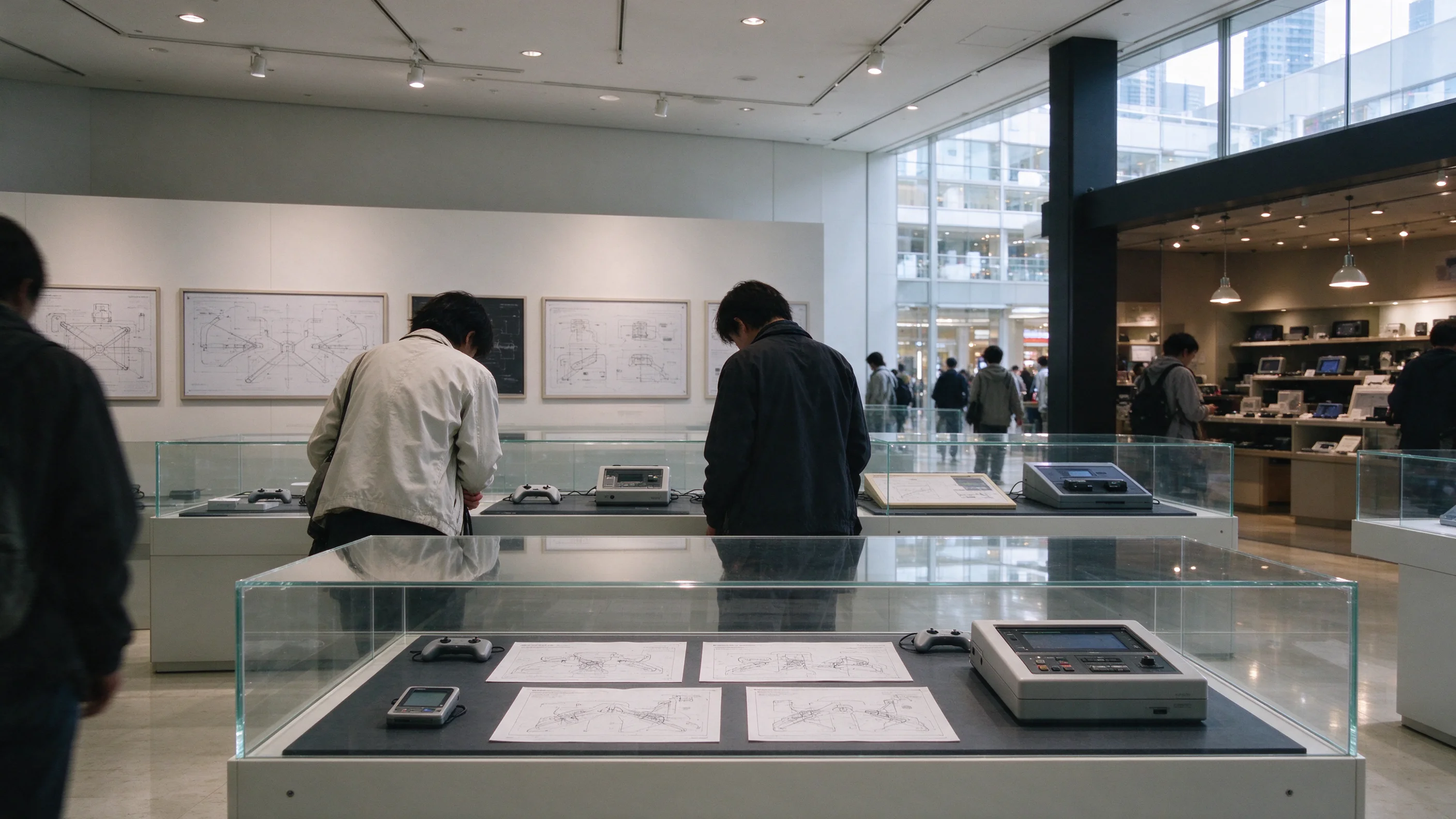
The strategy is explicit in Sega Sammy’s June management presentation. Management identifies anniversaries, licensing relationships, pop-up shops and location-based entertainment as routes to expansion. It wants encounters beyond games to support both new releases and repeat sales.
The weekend also reaches younger properties. Metaphor: ReFantazio’s second-anniversary Gratte promotion begins October 10 and runs through November 1, including Akihabara ANNEX and other Animate locations. Character-themed drinks and cookies give a game another occasion to be purchased before it has decades of nostalgia behind it.
The weekend sells several purchases around one attachment
Osaka’s Jujutsu Kaisen World runs October 9–November 23 at Bandai Namco Cross Store Osaka Umeda. Attractions, mini-games, themed food and original merchandise sit within the same offer. Entry reservations for October 9–10 are free; individual activities and products create the spending opportunities.
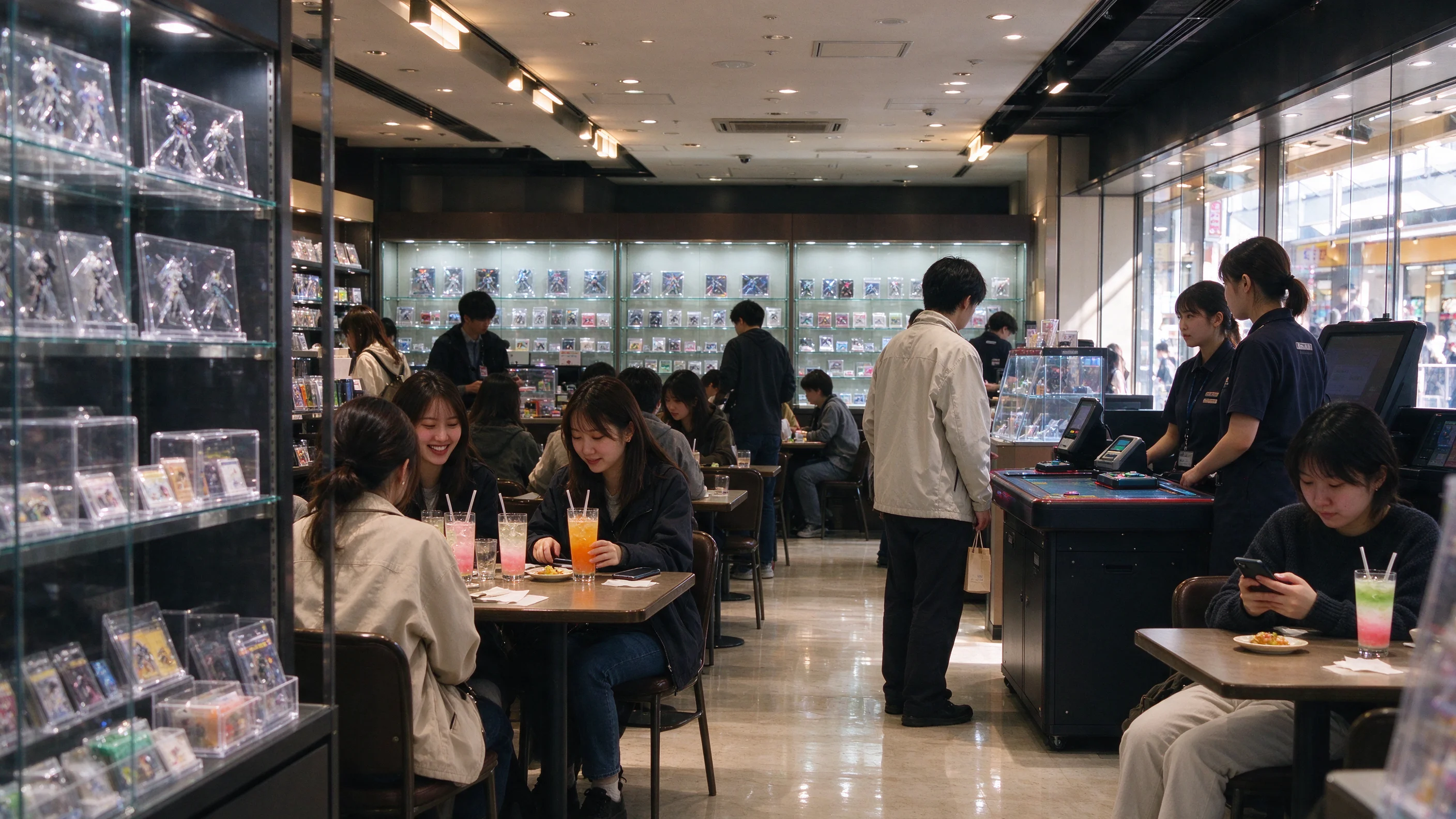
This is the advantage of a recognizable fictional world. A retailer can sell the drink, collectible and activity around an attachment the story has already created. Whether that makes an attractive profit depends on licensing terms, rent, staffing, production costs and unsold inventory. A crowded shop is encouraging evidence of demand; it is not a margin statement.
Beyblade offers a different mechanism. The Tokyo Grand Prix takes place October 11 at Sunshine City, with eight qualifiers in each of two classes and a Bangkok final place for each class winner. Competition gives the toy an organized social life. The commercial inference is that sustained play can help sustain demand, although tournament attendance alone does not establish additional toy sales.
A fictional birthday can become a destination
Nijigen no Mori’s Naruto birthday programme began in September, with multiple special activities planned around the character’s October 10 birthday. The operator also announced an October 9 eve celebration with dancing, games and character photographs.
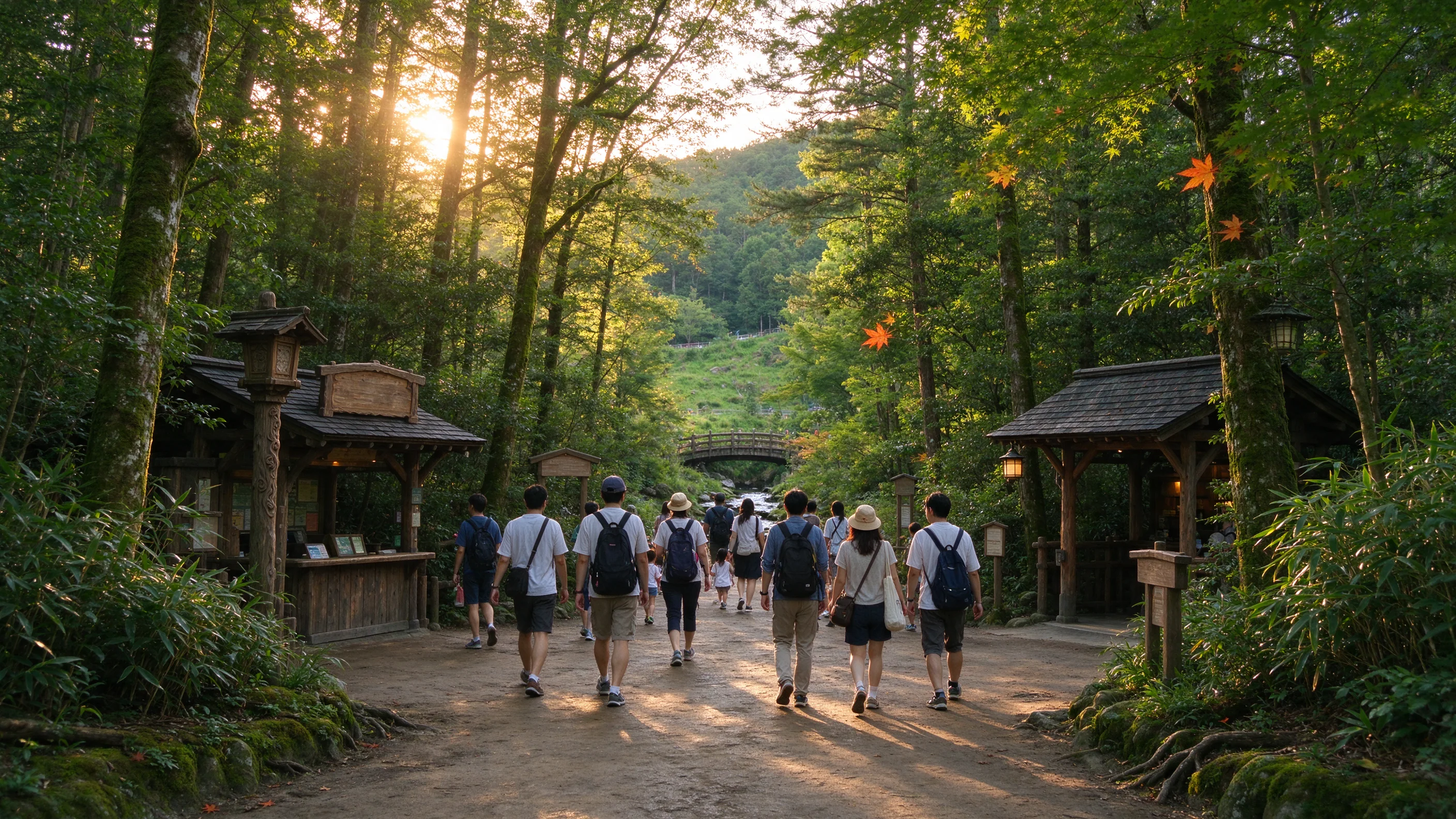
A permanent attraction has a different cost structure from a temporary shop. It needs facilities, maintenance and staff. The anniversary can provide a reason to return, helping an existing destination refresh its offer without constructing an entirely new world.
The tourism opportunity is substantial. Japan’s Tourism Agency estimates foreign visitor spending at ¥2.5125 trillion in April–June 2026, up 0.3% year on year. That is total inbound spending, not anime revenue. These event announcements do not establish what share fandom attracts.
Nor does all destination spending reach the franchise owner. Hotels, transport providers, restaurants, operators and licensors receive different portions. The economics depend on which business owns which transaction.
Museums can renew an audience beyond the merchandise counter
Pokémon × Japanese Crafts opens October 10 at the Tohoku History Museum in Miyagi and runs through December 27. Twenty artists interpret Pokémon through contemporary Japanese craft. General admission is ¥1,600.
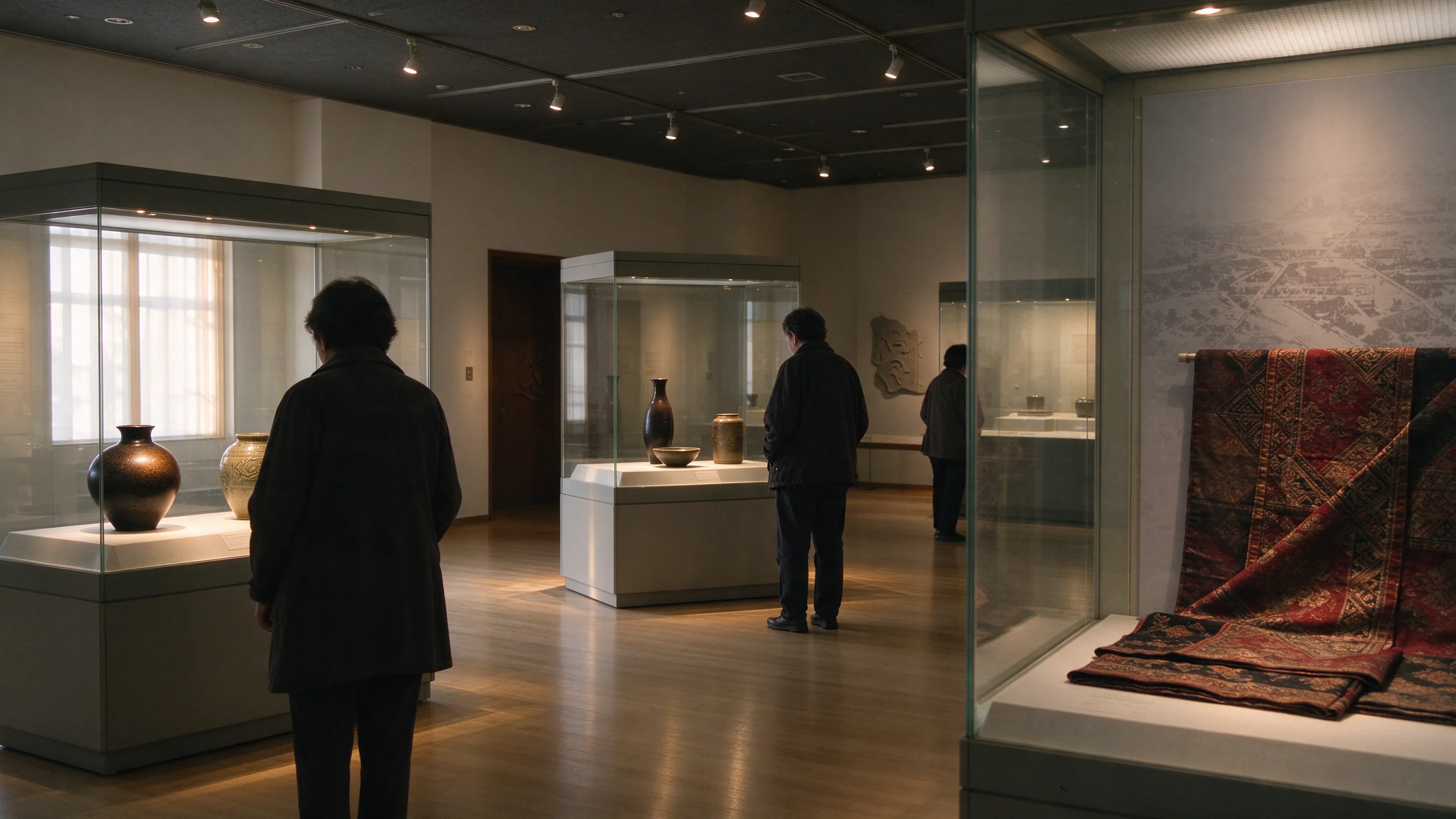
Kyoto’s Zen and Ghibli, running October 3–December 6, offers another cultural setting. Such exhibitions can place familiar worlds before audiences whose interests extend beyond games or television. Their lasting commercial value is an inference: cultural relevance may help a franchise retain attention, but these announcements do not quantify that effect.
A franchise has to maintain the audience that makes its next investment worthwhile.
That audience maintenance belongs beside a harder financing fact. Sega Sammy’s June presentation identifies pachislot and pachinko cash generation as a source of growth investment and shareholder returns. Its consumer business remains an investment area. There is no disclosed trail connecting this weekend’s exhibition receipts to a particular sequel.
The weekend nevertheless makes the business visible. Characters earn through several doors, while new creative work must keep them worth visiting. For an investor, the useful test is whether those doors produce incremental profit and a returning audience—rather than simply more products carrying the same face.
Continue reading


Sources
Sonic Channel exhibition announcement (Oct 2026); Sega Sammy management presentation (Jun 2026); Bandai Namco Cross Store Osaka; Nijigen no Mori Naruto programme; Japan Tourism Agency inbound spending (Apr–Jun 2026); Tohoku History Museum Pokémon × Japanese Crafts; Kyoto City Kyocera Museum Zen and Ghibli exhibition listing


