

Skydance Corporation completed its acquisition of Warner Bros. Discovery on October 6, folding HBO, CNN, and the Warner film slate into David Ellison's Paramount-Skydance orbit. State settlements require more U.S. theatrical output, worker-relief funding, and editorial safeguards at CNN and CBS. The same 8-K that records the close puts aggregate merger consideration near $78 billion, funded with equity and debt — and reporting puts total leverage on the Warner leg closer to $111 billion.
Skydance Corporation closed its acquisition of Warner Bros. Discovery on October 6, the date Warner’s Form 8-K treats as the closing of a merger first signed in late February. Warner survives as a wholly owned subsidiary; David Zaslav and several top lieutenants exit on disclosed separation terms. The filing’s accounting headline is leverage: aggregate merger consideration of roughly $78 billion, funded with a mix of equity and debt financing, with guarantors on new notes and an amended credit agreement the same day.
Public reporting frames the enterprise differently — an $81 billion equity headline for Warner, and nearly $111 billion once borrowed money on the transaction is included. Either way, the story is no longer whether regulators would bless another Hollywood roll-up. It is whether behavioral conditions survive inside a balance sheet built to absorb two studio systems, a shrinking linear bundle, and a streaming war that already sent Netflix and Paramount through a hostile counterbid.
What the settlements actually bind
Twelve Democratic attorneys general sued in July to block the tie-up, alleging consumer harm in theaters and cable. September settlements, later approved by a judge, cleared the path to close. The disclosed terms are operational, not symbolic: increase U.S. film production over five years, fund displaced workers, and reinstall editorial oversight at CNN and CBS.
Skydance has separately agreed to form a “News Editorial Independence Board” for the news divisions. Ellison says CNN will keep editorial independence and Mark Thompson stays as editor-in-chief. Critics note Skydance’s track record at CBS and Ellison’s role in board appointments — the remedy creates a monitor, not a firewall paid for with idle cash.
The consent decree is now a line item next to interest expense.
That is the Culled frame. Behavioral remedies are usually discussed as legal conditions attached to approval. Here they are running costs inside a company whose merger was financed like a leveraged roll-up, with Gulf sovereign capital cleared by the FCC for large non-voting equity stakes. When linear subscribers churn and theatrical windows shorten, the usual release valve is fewer greenlights, shared newsrooms, and cross-promotion that blurs brands. The settlements push the opposite direction on output and news governance.
Debt as the enforcement test
The SEC filing documents close mechanics — credit payoffs, guarantors, officer transitions — not day-to-day compliance with film minimums or board staffing. No public schedule yet names who sits on the independence board, how state enforcers measure theatrical output, or what triggers a cure period. The evidence gap matters because the binding constraint on remedies is often not the judge’s order but the cash available after coupons and amortization.
Private markets have spent two years repricing duration and leverage: the SEC’s push on private-asset marks and the shadow-banking stack behind direct lending are the same capital channel that will refinance Skydance’s Warner debt if streaming cash flow disappoints. A remedy that requires more domestic production and a staffed oversight body is, in practice, a mandate to spend before synergies arrive.
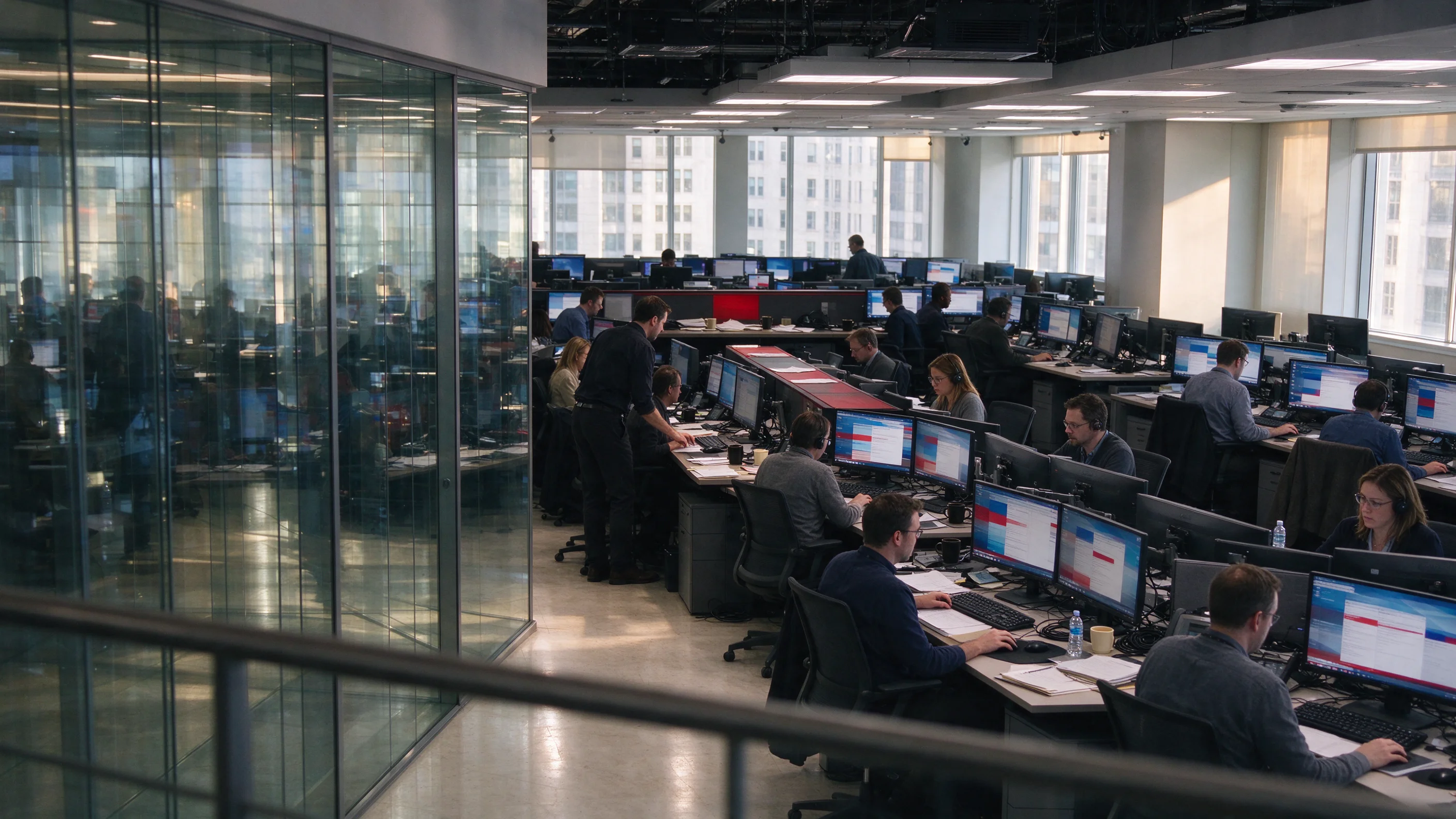
The falsifier is visible compliance under stress. If Skydance files quarterly attestations showing U.S. slate counts and board minutes while leverage ratios improve, the remedies are more than paper. If the first downturn brings layoffs in news gathering while the company cites merger synergies, the settlements will look like the weak critics already called them — conditions priced to close, not to constrain.
Until those filings exist, count what is documented: an October 6 close, ~$78 billion of stated merger consideration with debt in the stack, state orders on films and news, and a News Editorial Independence Board promised but not yet populated in the public record. The debt test starts when the first production slate and earnings call have to satisfy both bondholders and attorneys general at once.
Continue reading


Sources
Warner Bros. Discovery Form 8-K filed Oct. 6, 2026 (Skydance close, merger consideration and debt financing); PBS NewsHour/AP reporting on the Paramount-Skydance-WBD close, state AG settlements, News Editorial Independence Board, and total transaction leverage.


