

Shein began trading in Hong Kong on Tuesday at roughly twenty-six billion dollars, down more than seventy percent from its 2022 funding peak. Shares fell as much as ten percent before closing flat — a public verdict that the ultra-fast-fashion growth model is over, not merely recalibrating.
Shein Global Holdings began trading on the Hong Kong Stock Exchange on Tuesday after raising roughly $1.7 billion at HK$48.56 a share. The debut valued the Singapore-headquartered retailer near $26 billion — about seventy-two percent below the ninety-eight-billion-dollar peak it carried after a 2022 funding round. Shares slid as much as ten percent in the opening session before paring losses to close nearly flat at HK$48.50. There was no first-day pop. There was a verdict.
The market was not pricing a compliance reset. It was pricing the end of a growth story built on tariff arbitrage, direct-from-factory shipping, and Western consumers trained to treat clothing as disposable. Chief financial officer Leigh Gui told the listing ceremony that Hong Kong marked a “new starting point.” The prospectus told a harder story: net revenue growth decelerated from 20.7 percent in 2024 to eight percent in 2025 and just 1.1 percent in the first quarter of 2026. Operating income fell 25.9 percent year over year to $258 million. Net loss for the quarter hit $99 million.
The Route Here Was Never Straight
Shein’s path to a public market ran through two failed doors before Hong Kong opened. Listing attempts in London and New York stalled on geopolitical scrutiny, supply-chain transparency, and the simple fact that regulators no longer wanted to bless a business model whose competitive edge lived in cross-border parcel economics. Chinese regulatory approval for the Hong Kong float arrived only in July — late enough that the company postponed its target debut twice in August. Subscription demand was tepid by recent Hong Kong standards: margin financing ran roughly 4.66 times, a fraction of the frenzy that greeted robotics and AI listings on the same exchange calendar.
The IPO did not launch a growth era. It crystallized how much of one had already expired.
That contrast matters. Hong Kong has become a credible listing venue for companies seeking Asia’s capital pools when Western gates narrow. Shein used the venue successfully — it got out. It did not get out at the price its early backers imagined.
De Minimis Was the Business Model
The binding constraint is state policy, not fashion taste. Shein built its empire on ultra-low prices delivered in days by shipping individual parcels directly from China. The U.S. de minimis exemption — which allowed duty-free entry for e-commerce shipments under $800 — was not a footnote to that model. It was the margin. Washington ended the exemption in May 2025. The European Union followed with fees on low-value packages. Shein disclosed that U.S. net revenue fell 14.3 percent year over year in the first quarter of 2026; Europe and North America still account for roughly sixty percent of global sales. Higher customs duties, tariffs, and logistics costs — including pressure from Middle East shipping disruptions — are expected to keep first-half operating margins below first-quarter levels.
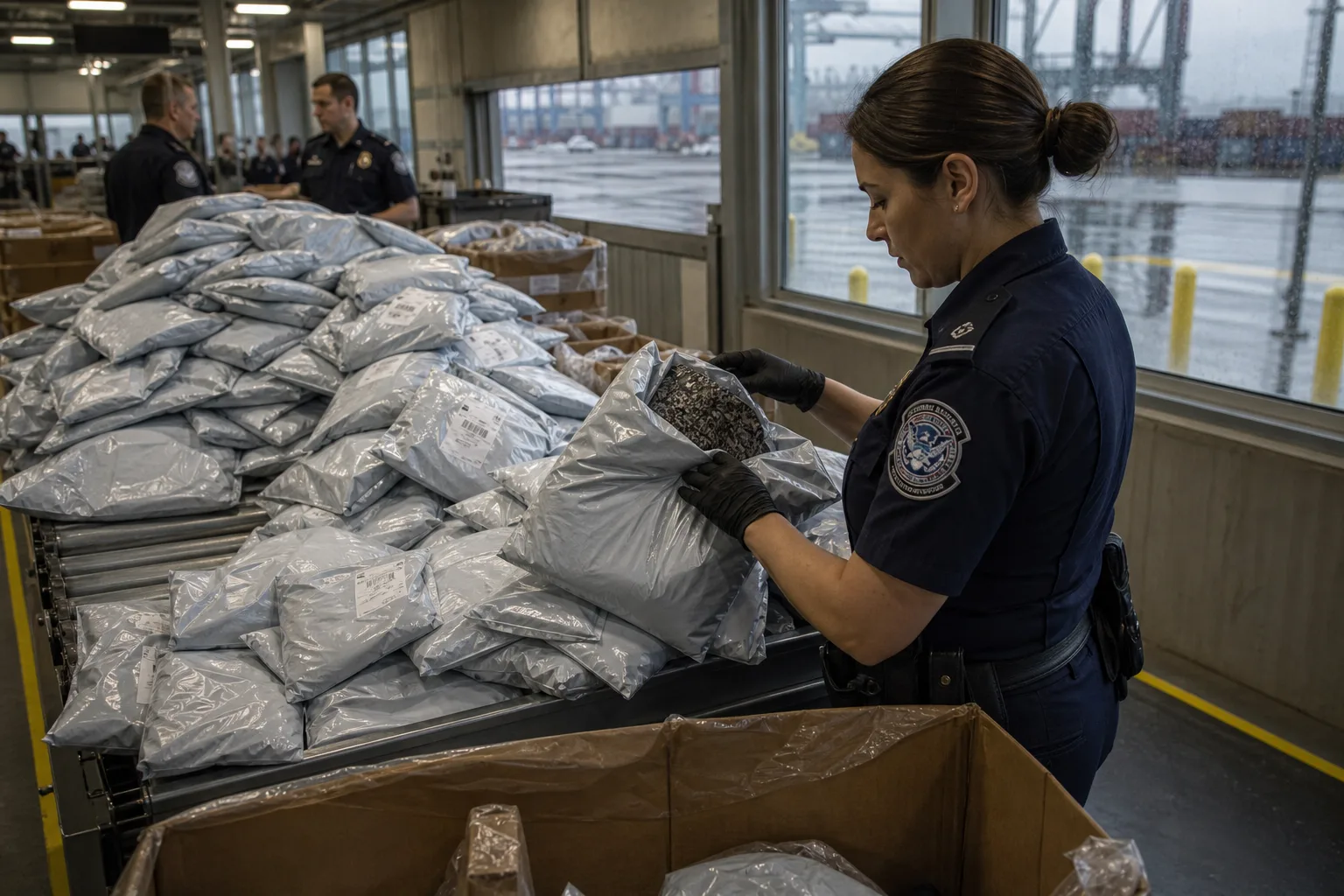
The tariff architecture that platforms once routed around is now the architecture they must live inside — the same shift Supreme Court tariff litigation and trade policy fights have been repricing across sectors. Shein is simply the consumer-facing receipt: when the parcel loses its duty edge, the five-dollar dress needs a different economics or a different customer.
What the Listing Actually Funded
Regulatory heat did not pause for the bell. Shein disclosed an ongoing Federal Trade Commission consumer-protection investigation that could yield significant penalties, and European Commission scrutiny over illegal products, platform design, and recommendation transparency. Even with a watchdog landscape tilting toward lighter federal touch in some corners of U.S. finance, consumer-facing enforcement on advertising and marketplace conduct remains live.
The IPO also settled old money. Shein agreed to roughly $3.5 billion in cash payments and share adjustments for preferred shareholders who invested at valuations the public market no longer supports. Cornerstone investor UBS joined a book that needed the float less for expansion capital than for exit liquidity and governance theater — four percent of proceeds to tech infrastructure, the rest to global expansion and balance-sheet repair.
The actionable principle is narrow. When revenue growth falls from twenty percent to one percent in two years, when a tariff exemption expires and U.S. sales contract, and when the listing day cannot muster a premium, the story is not regulatory recalibration. It is repricing. Shein still moves enormous volume. The market just stopped pretending that volume compounds forever.
Continue reading


Sources
Reuters, AP, Forbes, MarketScreener, and China Daily HK reporting on Shein Hong Kong debut 1 Sep 2026; IPO prospectus disclosures on revenue growth, Q1 2026 loss, de minimis impact, FTC and EU investigations, and investor payouts


