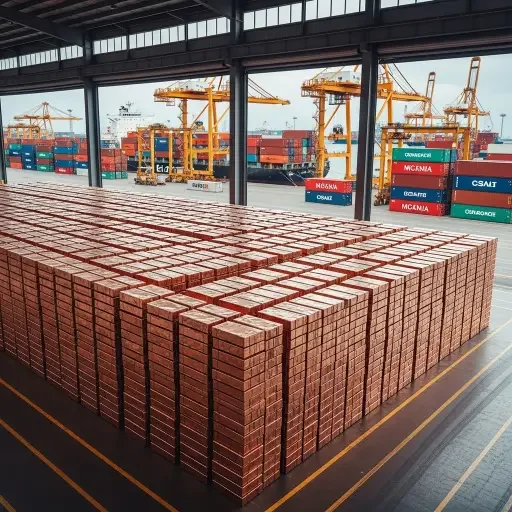
Copper’s climb through the $13,000-per-ton threshold is not a spontaneous fever; it is the arithmetic of policy and scarcity. In the last quarter, U.S. manufacturing activity surprised to the upside, federal infrastructure disbursements accelerated and inventories listed on major exchanges tightened. The net effect: a price signal strong enough to redraw investment maps from Santiago to Johannesburg.
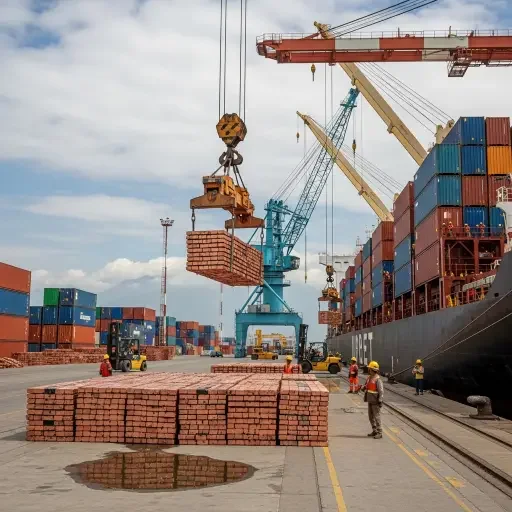
Two forces met at once. On the demand side, recent macro data show the United States moving from steady rebuilding to active expansion in sectors that use copper intensively—construction, power distribution and electric vehicle (EV) charging networks. The Institute for Supply Management’s manufacturing PMI rose above consensus, while Treasury disbursements tied to infrastructure bills hit project accounts faster than models expected. That confluence turned marginal buyers—utilities, OEMs and traders—into aggressive bidders.
On the supply side, copper’s near-term elasticity is low. New large-scale mines take years and billions to bring online; permitted projects confront environmental reviews and community objections; existing large producers are running at or near capacity. Inventories on the London Metal Exchange and Comex fell as traders discounted longer lead times, and freight congestion at key export terminals amplified the feeling of scarcity. Together, these constraints amplified the price response to a modest increase in U.S. absorption.
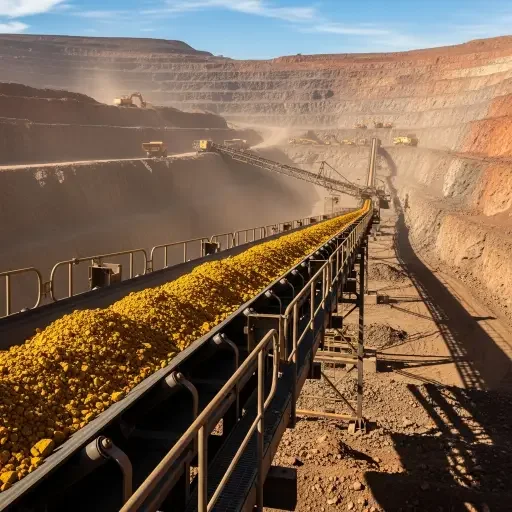
For investors, the rally reframes risk in three compressed ways: timing, geography and policy exposure. Timing: the market now prizes near-term delivery; spreads between prompt and forward contracts have tightened, rewarding those who can access inventory and penalizing long lead-time producers. Geography: exporters with flexible logistics—Peru and Chile’s port operators, for example—see windfalls, while countries dependent on a single export route face sharper price transmission into domestic markets. Policy exposure: U.S. procurement rules, tariffs and strategic stockpile decisions can switch marginal buyers into either hoarders or sellers.
Miners’ capital allocation plans are responding. Major producers announced modest production guidance upgrades but stopped short of forecasting a supply glut. Junior explorers with advanced permits saw valuations rerate on the expectation that permitting tailwinds—driven by green-mining narratives and investment tax credits—could accelerate sanctioning schedules. Still, the timeline from dollar to cathode remains long; existing projects will absorb a disproportionate share of near-term demand.

The rally also has geopolitical texture. Copper is not just an input; it is a strategic raw material for decarbonization. As governments prioritize resilient supply chains for critical minerals, export controls and preferential procurement can become blunt tools. Considerations now include how free-market pricing signals interact with industrial policy: will governments accept higher domestic costs to secure supply, or will they liberalize imports and risk trade tensions? For countries with large mining sectors, the calculus affects fiscal receipts, currency stability and the politics of local content.
Credit markets have noticed. Commodity-linked loans and streaming deals use copper price forecasts as leverage points; rising prices improve balance sheets for miners but increase input costs for manufacturers. Hedge funds and physical traders have reallocated exposures—rolling short positions to avoid forced liquidations and doubling down on long-term offtake agreements. The result is a market that now prices not only the physical metal but the probability that policy changes will lock in higher realized prices.
What to watch next is straightforward and low-entropy: inventory draws, freight and port throughput, U.S. project spending cadence, and permitting timelines for new mines. A sustained draw in exchange inventories paired with accelerating project approvals would signal a structural shift; conversely, if U.S. demand cools or if logistics normalize, the market could plateau or retrace.
For portfolio managers, the practical playbook narrows to three moves. First, allocate to producers with visible, short-cycle volumes and flexible logistics—those capture near-term rents. Second, hedge exposure in manufacturing with forward contracts or strategic sourcing to avoid margin squeeze. Third, monitor policy signals—procurement rules, tariffs and stockpiling—because capital markets will reprice swiftly when state action changes perceived scarcity.

The larger lesson is structural: copper’s price is a compressed indicator that aggregates policy intent, industrial momentum and geological constraints. Crossing $13,000 is a punctuation mark that forces a reassessment, not an answer. Markets will now test whether this is a durable revaluation—driven by a long-term acceleration in electrification and infrastructure—or a cyclical spike amplified by logistics and reflexive buying.
In the near term, traders and policymakers are engaged in a tight game of chicken: every declaration of strategic intent (stockpiles, taxes, tariffs) nudges capital allocations that in turn feed back into prices. For readers with capital at stake, that loop is the story—the immediate mechanism by which macro politics becomes margin pressure.
Tags
Related Articles
Sources
Price data from LME and CME, US manufacturing PMI and infrastructure spending figures, company reports from major miners, trade flow data from customs agencies, and expert commentary from commodity strategists.