

Three Iranian sources told Reuters on Thursday that Beijing privately asked Tehran to rein in the Houthis after a Saudi appeal. Wang Yi had already warned Araghchi against a Red Sea spillover. China is protecting the remaining energy corridor, not writing sanctions.
Three Iranian sources told Reuters on Thursday that China had privately asked Tehran to help restrain Yemen’s Houthis after a Saudi appeal. The request followed a week of Houthi movement along the Red Sea and around Bab el-Mandeb. The sources did not describe a threat of Chinese sanctions, a cutoff of oil offtake, or a public ultimatum. They described a message: use the channel you have.
That Thursday ask sits on a Wednesday meeting. In Beijing, Foreign Minister Wang Yi told Iranian Foreign Minister Abbas Araghchi that China does not want the U.S.–Iran war to spill further into Yemen and the Red Sea. He urged an early reopening of Hormuz, a return to the Islamabad memorandum, and “substantive consultations.” Araghchi said the MoU remains valid and that Iran has a Hormuz plan with Oman. Xi Jinping is due in Washington next week. Scott Bessent has already said Iran will be on that table.
The residual is not whether Beijing “supports Iran.” The MFA said that out loud. The residual is why a Houthi ask arrived the next day, routed through Riyadh, and aimed at a strait that is not Hormuz.
The second corridor is the live one
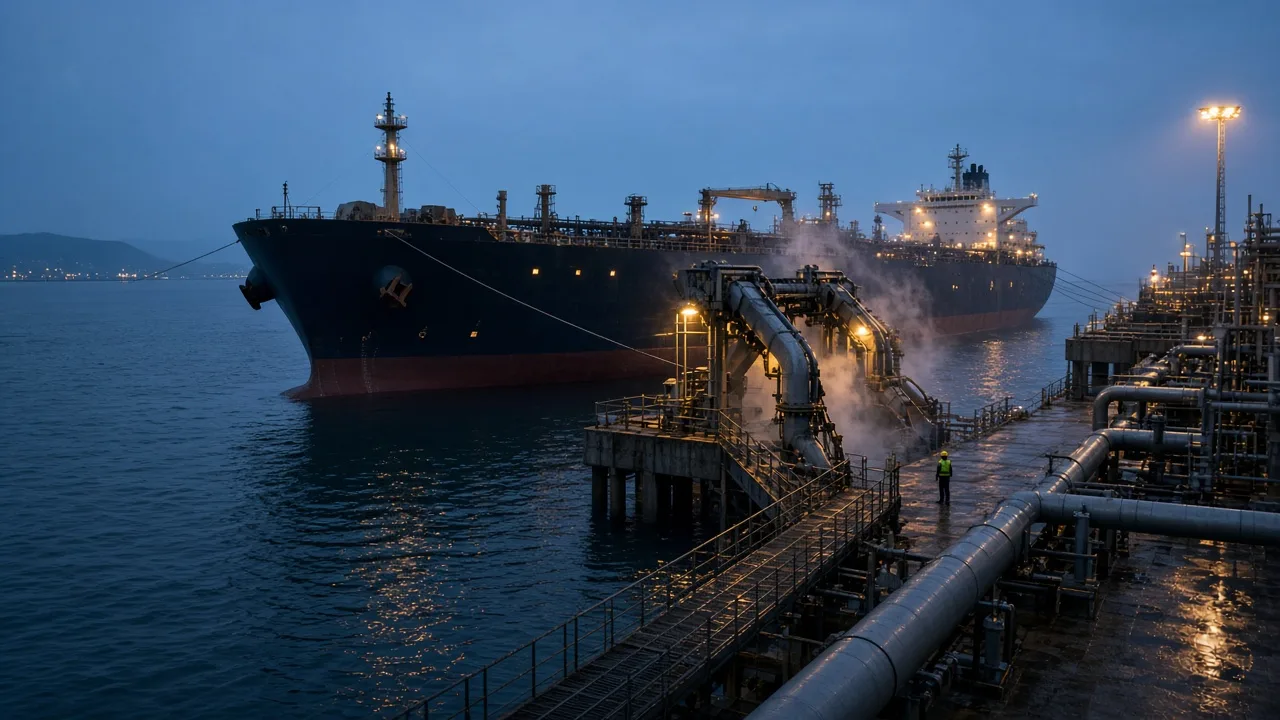
Hormuz has been the priced chokepoint since winter. Markets have already paid for peace that did not reopen the water, and priced it again when talks strained. With that gate economically shut, Saudi and other Gulf barrels that still move need the Red Sea and Bab el-Mandeb — or the expensive workarounds Aramco is assembling off Oman while Petroline is patched. If Houthis make the southern Red Sea uninsurable the way drones made Hormuz uninsurable, China loses the remaining path for the crude it actually burns.
Mocha’s fall already put a Yemeni port on that map. Alignment is not command, and six Bab el-Mandeb transits is not a second Hormuz. It is enough of a threat that Riyadh called Beijing, and Beijing called Tehran. China’s leverage here is not a Graham-style tariff on Iranian buyers. China is the buyer. The ask is: do not let your partners close the other tap while we try to keep the first one in the Xi–Trump script.
Sanctions diplomacy is Washington’s file
The United States is writing secondary pressure as statute — tariffs on buyers of Russian energy, with an Iran add-on, sitting on Trump’s desk. Beijing’s Thursday channel is the inverse: no new Chinese penalties, no public list of vessels, a private request that Iran spend political capital on Ansar Allah. That is cheaper than escorting tankers and more deniable than a Security Council draft.
It can fail in two ordinary ways. Tehran may not control Houthi targeting on the timeline Riyadh wants. Or Iran may treat the ask as a chip for Hormuz and the MoU, not as a favor to Saudi shipping. Reuters’ sources said Beijing did not couple the request to economic punishment. Without that couple, the message is a preference.
China is not sanctioning Iran to save the Red Sea. It is asking Iran to keep the Red Sea from becoming a second closed strait.
What still mis-prices is reading Wang’s Hormuz line as the whole diplomacy. The public meeting was about the MoU and a summit week. The private sentence, dated Thursday, is about Bab el-Mandeb. The test is whether Houthi video and Saudi air activity slow after this ask — not whether Xinhua prints another four-point proposal.
Continue reading


Sources
Reuters exclusive September 17 on China’s private Houthi ask after a Saudi appeal; Chinese MFA/Xinhua readout of Wang Yi–Araghchi talks in Beijing September 16; RTHK/Reuters on Hormuz and Islamabad MoU language.


