

Nearly 78 percent of 2026 catastrophe-bond issuance uses indemnity triggers, the highest annual share Artemis has recorded. Outstanding capital is now 64 percent per-occurrence cover. Investors are buying named-storm protection while insurers keep more of the hail season.
Catastrophe bonds are not merely larger. They are more tightly tied to a single insurer’s giant loss. That is better hurricane insurance. It is a worse answer to a year of thunderstorms.
Indemnity is spreading because primary insurers now write the deals
On September 10, Artemis reported that almost 78 percent of 2026 catastrophe-bond limit issued so far uses an indemnity trigger — payouts tied to the sponsor’s actual insured losses, not a parametric index of wind speed or a modeled industry loss. That is the highest annual share in the Deal Directory’s history: 67.5 percent in 2022, 72.5 in 2023, 73 in 2024, 75.6 in 2025.
Indemnity reduces basis risk for the insurer. If a named hurricane wrecks the book, the bond is more likely to pay in the same shape as a traditional reinsurance recover. Parametric and industry-loss structures can miss that match: the storm is real, the index is not quite the company’s claim file.
The sponsor mix explains the plumbing. Artemis has already counted 14 first-time cat-bond sponsors in 2026, close to last year’s full-year record of 15. Many are primary insurers, including private carriers absorbing risks once parked in residual markets such as Florida’s Citizens. Primaries want cover that looks like the rest of their reinsurance tower. Investors have been willing to underwrite that alignment.
We have already watched climate perils outrun the models that price them in wildfire-linked cat bonds. The 2026 shift is a different layer: not which peril is fashionable, but which shape of loss capital will own.
Investors bought a cleaner claim on the giant event. Insurers kept the year of medium ones.
Occurrence cover leaves the season on the balance sheet
The second move is from aggregate to per-occurrence. An occurrence bond attaches to a single event that clears a high bar. An aggregate bond pays when a year’s losses, stacked, cross a threshold. As recently as 2021, outstanding cat-bond capital still provided more aggregate limit than occurrence. Artemis now puts aggregate notes at 36.1 percent of outstanding risk capital and per-occurrence notes at 63.9 percent. In March 2019, aggregate was 58 percent.
Investors remember why they walked. Lower deductibles, broader peril definitions, and frequent attritional hits made aggregate structures pay more often than the “uncorrelated catastrophe” pitch implied. Occurrence cover is cleaner for a fund: one giant named storm, or nothing. A sequence of $2 billion hail outbreaks can miss the attachment.
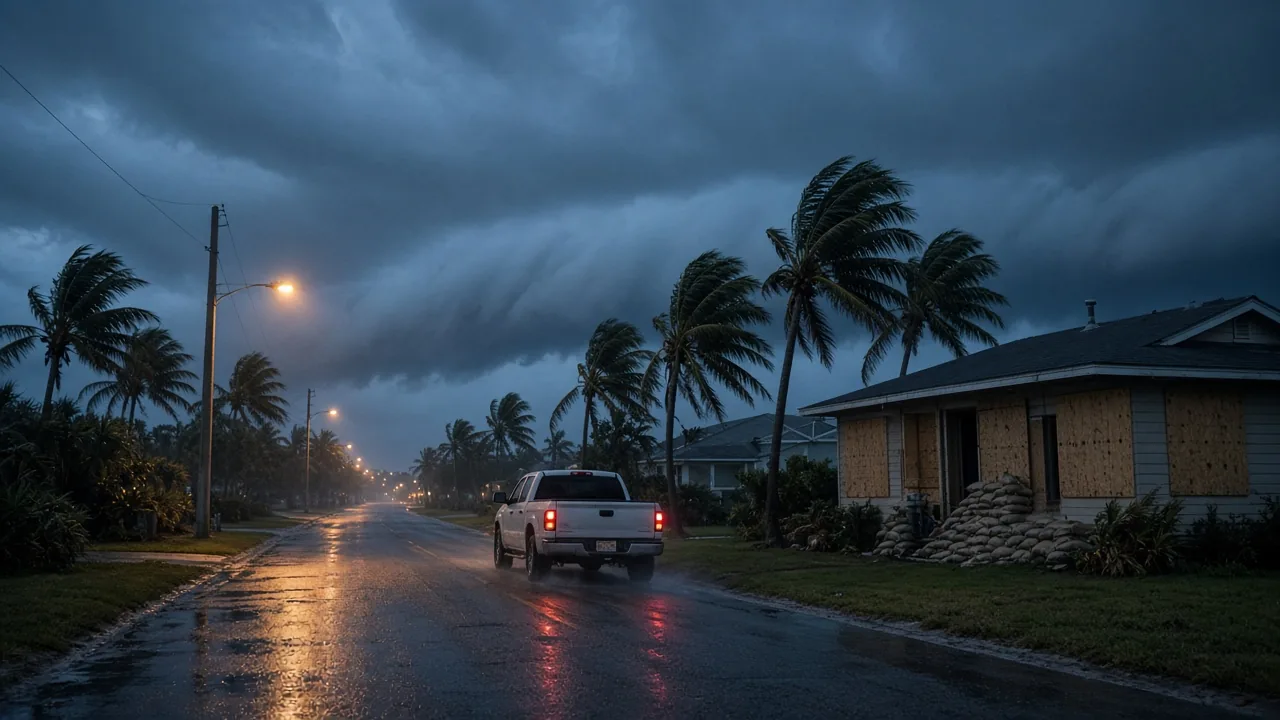
That is convenient for capital. It is awkward for the loss trend. Swiss Re’s 2025 tally put global insured natural-catastrophe losses at $107 billion, with secondary perils — wildfire, severe convective storm, flood — at a record 92 percent of the insured total. Severe convective storms alone ran about $51 billion for a third straight year above $50 billion, in a year with no major U.S. hurricane landfall. Munich Re put U.S. thunderstorm economic losses near $60 billion in 2025, most of it insured. Hail, tornado, and straight-line wind now accumulate like a peak peril even when no single event looks like a hurricane.
First-half 2026 SCS insured losses eased to about $28 billion, Swiss Re said — still the leading peril, even when activity missed the densest insured corridors. A quiet hurricane season does not mean a cheap insurance year.
The leftover book sits where capital is already choosier. Private-equity restructurings in specialty insurance compress the same balance sheets that must hold attritional weather. Marine and specialty shocks have already shown how quickly reinsurance language becomes the constraint once the named event arrives. Thunderstorms rarely get that language.
The mispricing is treating a quiet hurricane year as a cheap year
The dominant story is that cat-bond issuance is at records and ILS is “in.” The residual is the coverage mix. Indemnity plus occurrence is a better hedge for a Florida landfall that wrecks one company. It is a thinner hedge for a Midwest hail year that wrecks a thousand roofs a week and never trips a single-event attachment.
The test is public. If 2026 closes with another high share of indemnity occurrence issuance and another $50 billion-class SCS year without a U.S. hurricane landfall, primary combined ratios will tell the truth the bond coupons will not. If aggregate issuance rebounds because those ratios deteriorate, the market will have admitted that the thunderstorms were the product.
Wall Street can own a cleaner hurricane. Someone still has to own the hail.
Continue reading


Sources
Artemis Deal Directory analysis dated September 10, 2026; Swiss Re sigma on 2025 natural catastrophes and first-half 2026 insured losses; Munich Re thunderstorm loss estimates.


