

In Doonbeg on Sunday, President Trump said the United States could stay in Iran and keep the oil like Venezuela, while demanding the world's lowest interest rates ahead of this week's Fed meeting. AAA diesel printed about $6.06 Friday. No waiver, ownership structure, production target, or force posture accompanied the slogan.
President Trump told reporters in Doonbeg on Sunday that the United States could stay in Iran and “keep the oil, like Venezuela.” He also said America should pay the world’s lowest interest rate, days before Kevin Warsh’s Federal Reserve meets. AAA’s national diesel average printed about $6.06 a gallon Friday — the first clear of six dollars. EIA’s West Coast on-highway series had already cleared $6.20 in mid-August and kept climbing. The slogan and the surcharge arrived in the same news cycle. Only one of them has operating paper.
Wire coverage frames the collision the market already feels: energy-driven inflation that may force Warsh to hold or hike even as Trump demands cheaper money. That frame is true as far as it goes. It also treats “keep the oil” as if it were a second supply option waiting on a peace calendar. Markets have priced peace before the strait reopened. They have priced MOU language before Hormuz traffic normalized. Diesel does not wait for either.
The residual is instruments, not intention
If “keep the oil” is actionable policy rather than bargaining color, where is the legal authority, the ownership structure, the OFAC waiver or license path, the production target, and the security arrangement that would make barrels move under U.S. disposition? Reuters’ Doonbeg pool and the C-SPAN remarks contain a Venezuela analogy and a revenue boast. They do not contain those instruments. August’s reported Venezuela purchase arrangement — a defined offtake from a named private producer — is itself the contrast. Iran still has none of that architecture in public.
A Venezuela analogy is a political shorthand. A sanctions waiver is a document.
Conflict logistics still bind first. Hormuz traffic, tanker risk, and refining squeezes — including Trump’s own Sunday demand that Ukraine stop hitting Russian diesel plants — raise crude, freight, and distillate costs before any prospective Iranian uplift could reach a U.S. rack. Swiss talks already showed how oil jolts outrun communiqués. The Versailles MOU taught the same lesson in reverse: celebration arrived before the strait did. Spare Iranian capacity is not the same object as licensed, insured, escorted barrels with a buyer of record.
Oil control and maritime access may also be separate negotiating chips. A ceasefire could reopen Hormuz while a continued presence is meant to hold leverage over fields or revenue. That split would explain why the slogan can float beside talk of an end “after the midterms” without a field map. It would not excuse the missing paper. Without a White House transcript that names authority, a Treasury license regime, or a Defense/State description of who guards and who sells, the statement remains an objective. Objectives do not refill distillate inventories.
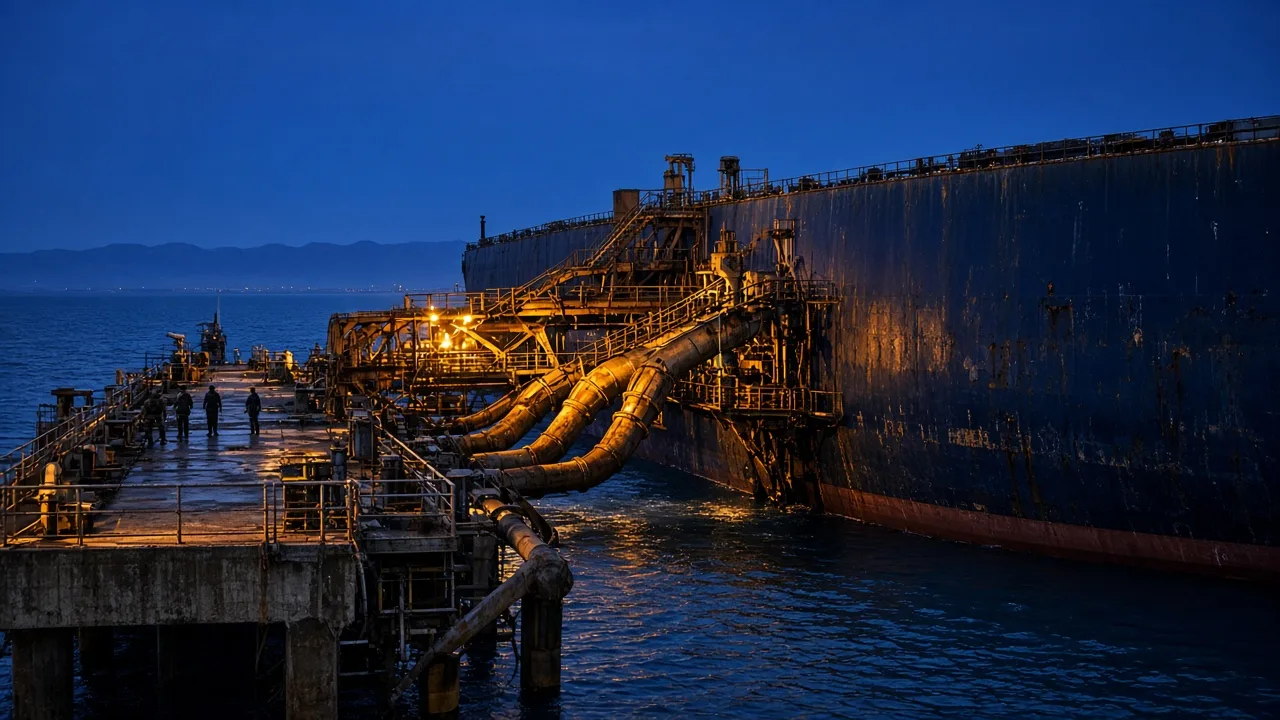
What still misprices the week
Rate desks are watching Trump’s lowest-rate demand against a hotter August CPI print and a freight fuel that has already rewritten the weights. Mortgage chatter can still treat bond buying as a start toward cheaper housing credit. Trucking and harvest burn diesel tonight. Equity and crude routers that treat “keep the oil” as a near-term supply put are quoting a press pool, not an OFAC page. Underwriters still price Hormuz and distillate risk on the war that is running, not on a Venezuela template that has not been filed for Iran.
The testable claim is narrow. Publish an executive order, sanctions waiver, offtake agreement, or force posture that specifies Iranian oil authority, ownership, disposition, and security — and the residual closes. Until then, Warsh inherits a diesel print. Trump inherits a slogan. The Fed meeting this week settles the rate argument in basis points. The oil claim still settles in documents that do not exist.
Continue reading


Sources
Reuters Doonbeg pool on keep-the-oil / Venezuela analogy and world's-lowest rates (Sept. 13); AAA national diesel ~$6.06 Friday Sept. 11; EIA West Coast on-highway diesel ~$6.20 mid-August and higher into late August; C-SPAN Doonbeg remarks; Venezuela oil purchase arrangement as reported August; prior Culled Hormuz / MOU / Bürgenstock coverage; no public EO, OFAC waiver, or DoD oil-administration paper located for Iran


