
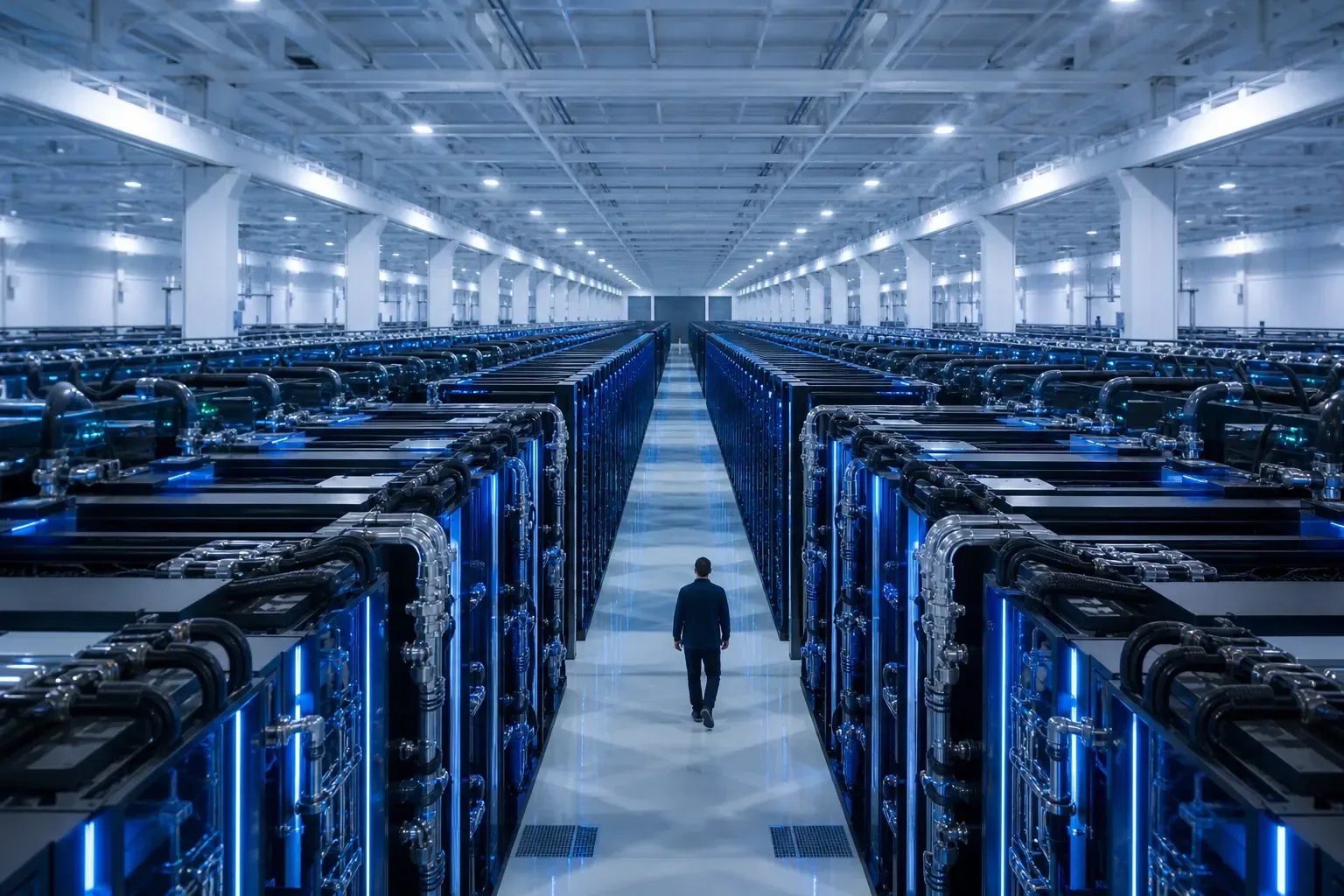
On June 23 at ISC Hamburg, the 67th TOP500 list crowned a machine the West had not seen coming. LineShine, installed at the National Supercomputing Centre in Shenzhen, sustained 2.198 exaflops on the High Performance Linpack benchmark — roughly 20% ahead of Lawrence Livermore’s El Capitan at 1.809 exaflops. It is the fifth exascale system on record and the first ever to clear two exaflops of sustained double-precision performance using processors alone.
The headline is geopolitical. The engineering is stranger.
A Template Rejected
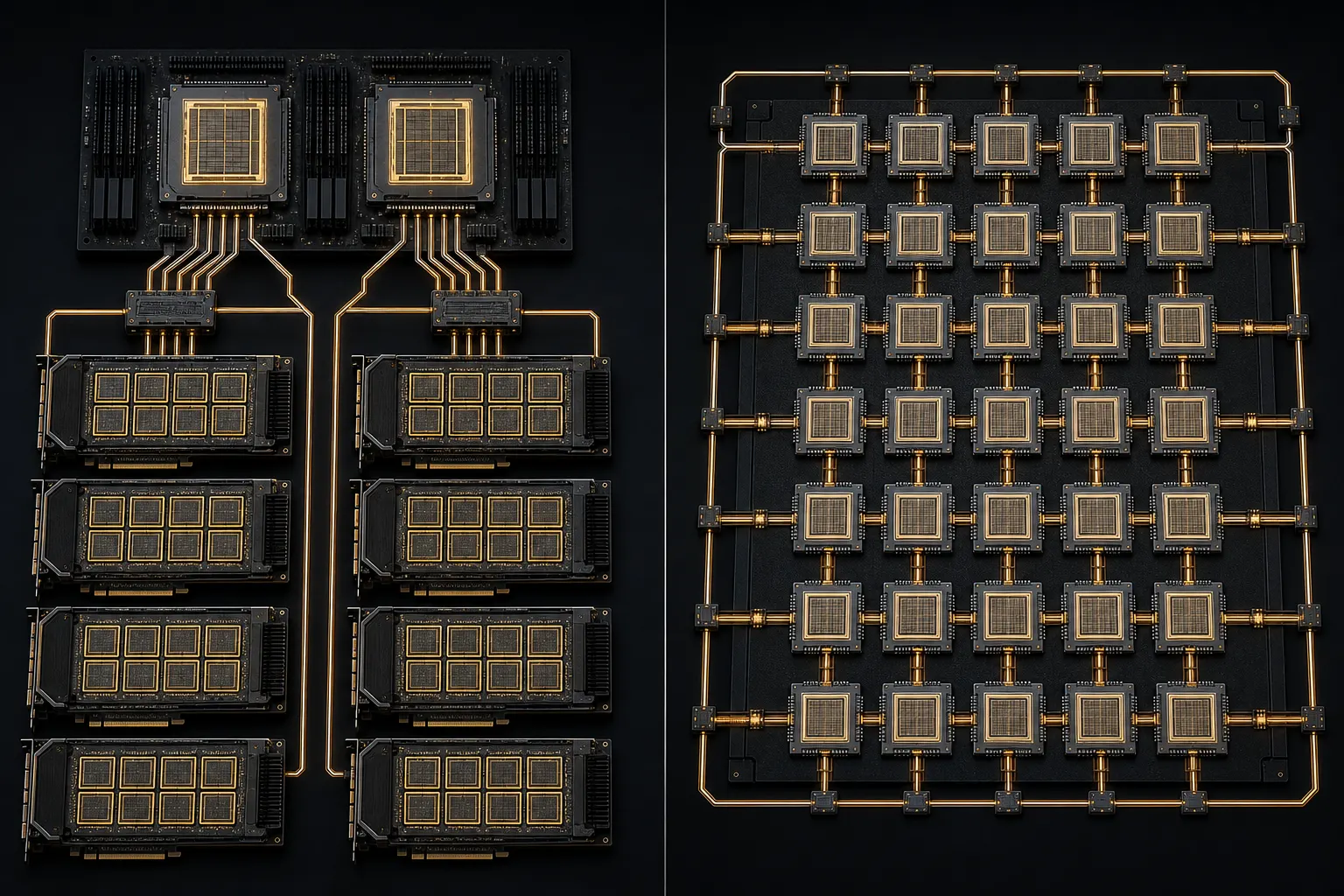
American exascale has converged on a hybrid formula: general-purpose CPUs married to GPU or APU accelerators. El Capitan pairs AMD fourth-generation EPYC processors with Instinct MI300A chips across HPE’s Cray EX255a platform. Aurora at Argonne and Frontier at Oak Ridge follow the same logic — matrix math delegated to accelerators, orchestration to CPUs.
LineShine discards the accelerator layer entirely. Its LingKun platform runs 13,789,440 cores across custom LX2 processors: 304-core ARMv9 parts at 1.55 GHz, each socket carrying on-package high-bandwidth memory before spilling to DDR5. The proprietary LingQi interconnect links nodes at 1.6 terabits per second in a dual-plane fat-tree. Kylin OS sits atop a stack designed, built, and integrated inside China.
TOP500 organizers framed the submission as a response to U.S. export controls. That is not spin. Washington’s entity-list waves since 2015 — beginning with Intel Xeon Phi parts bound for Tianhe-2, escalating through Sugon and Phytium in 2019 and 2021 — systematically severed China’s access to the Western silicon that powered earlier champions. China peaked at 219 TOP500 systems in mid-2019, then went dark. It did not stop building. It stopped showing.
What the Benchmarks Actually Say
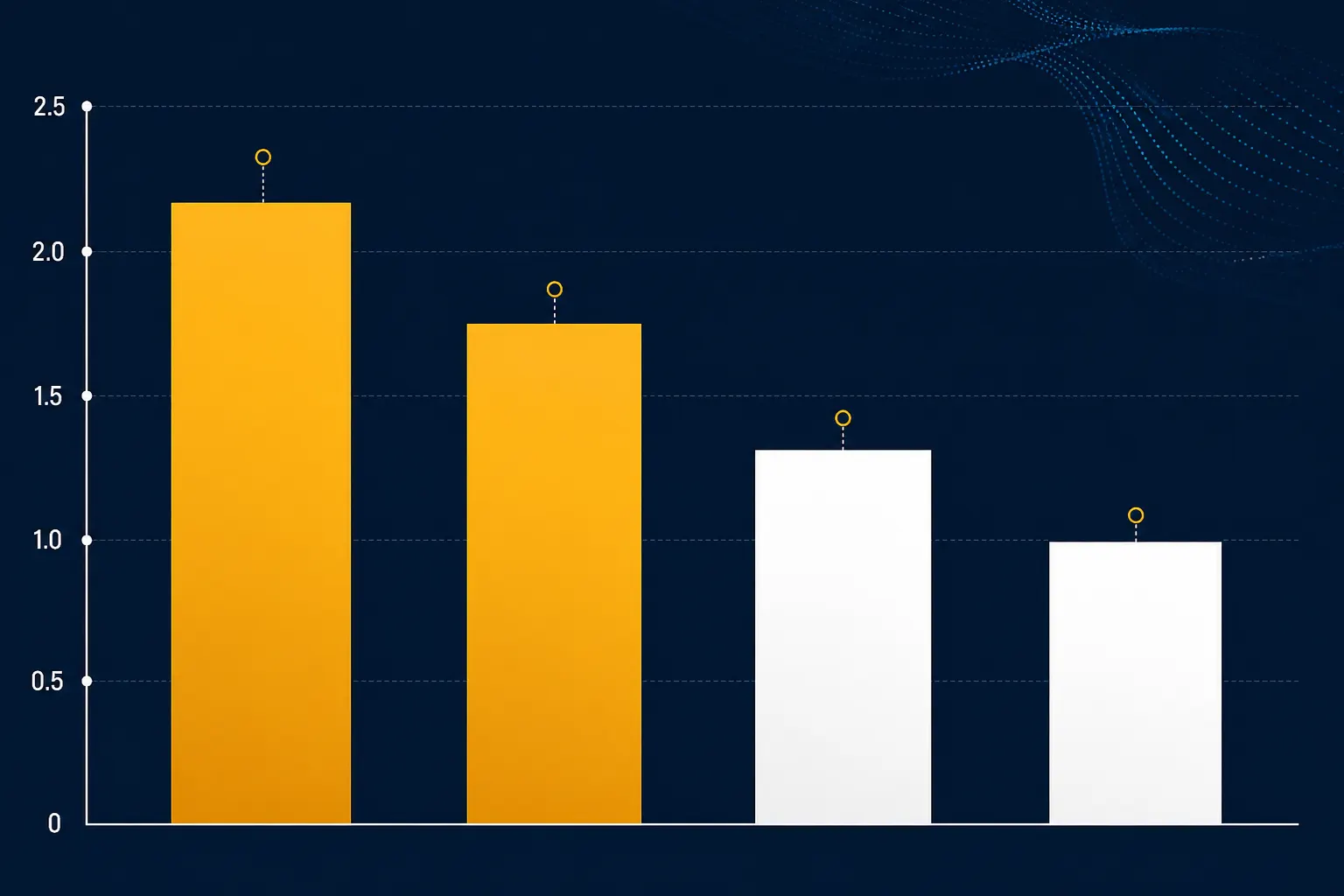
LineShine converts about 80% of its 2.736-exaflop theoretical peak — efficient for a debut system drawing 42.2 megawatts at 52.07 gigaflops per watt. The more telling numbers sit outside Linpack.
On HPCG, the benchmark built to stress memory-bound scientific patterns rather than dense linear algebra, LineShine also leads at 22.00 petaflops — a result that suggests the CPU-only design is not merely a political compromise but a coherent bet on production science workloads. On HPL-MxP mixed-precision, it ranks fourth at 7.92 exaflops with only a 3.6x speedup over its FP64 score. Without dedicated low-precision accelerators, it cannot compete with GPU-heavy systems on AI training benchmarks. That is the trade.
The first China-based TOP500 leader since Sunway TaihuLight in 2017 therefore arrives via a path no Western program chose: sovereignty over specialization. Sunway used a homegrown manycore SW26010 processor. LineShine advances the logic with ARMv9 vector extensions, HBM per socket, and an interconnect Beijing did not import.
Export Controls as Architecture
Weaponized interdependence assumes throttling access reshapes rival capability downward. LineShine complicates the story. Denied frontier GPUs, China did not replicate the MI300A roadmap. It scaled CPUs until CPUs alone crossed two exaflops — then submitted the result to the list it had boycotted for seven years.
Third-party reporting attributes the LX2 to Huawei’s design teams; the official TOP500 entry names only the processor class. What is confirmed is the closed loop: chip, interconnect, operating system, integration — no AMD, Intel, or Nvidia in the bill of materials.
For Washington, export controls clearly constrained China’s access to Western accelerators. They may have accelerated an alternate architecture the U.S. did not optimize against — one that leads Linpack and HPCG while conceding mixed-precision AI to GPU fleets.
The Scoreboard After Hamburg
The top of the June list remains an American-European-Chinese triangle. Frontier (1.353 exaflops) and Aurora (1.012 exaflops) hold third and fourth. Germany’s JUPITER Booster crosses one exaflop at fifth. Italy’s HPC7 debuts in sixth. Japan’s Fugaku, once dominant, now sits ninth.
LineShine’s ascension does not collapse U.S. exascale depth — it reframes the competition. El Capitan still serves the National Nuclear Security Administration’s weapons simulations. Frontier still anchors open science at Oak Ridge. But for the first time since 2017, the fastest machine on Earth runs on silicon Washington tried to keep out of Chinese hands — and wins without the accelerators the export-control regime was designed to deny.
The TOP500 has always been a benchmark of peak matrix math as much as national prestige. LineShine tops both tables and the HPCG ranking that practitioners trust more than bragging rights. Whether that translates into AI-era dominance is a separate question; mixed-precision scores say no. Whether export controls produced the outcome their architects intended is not.
China returned to the list with a CPU-only exascale machine 20% faster than America’s best. The constraint became the design. Hamburg is where the world learned the difference.
Tags
Sources
TOP500 June 2026 list and ISC Hamburg announcement, TOP500.org news release, Supercomputing News architectural analysis, Network World, TechPowerUp, Wikipedia LineShine entry, Global Times editorial, South China Morning Post on China's TOP500 absence, weaponized interdependence export-control context