
The bottom line as of Sunday evening, June 21: negotiations survived the weekend, but ended under more strain than they began. Nothing tonight suggests immediate military escalation. Neither is there evidence of a breakthrough. The default path is continued technical talks — unless Sunday’s theatrics were the opening act of another breakdown.
The Weekend Timeline
Friday’s planned talks at Bürgenstock were canceled after Iran withheld its delegation and Israeli strikes continued in Lebanon. Over the weekend, Qatari and Pakistani mediators regrouped. Sunday, Vice President JD Vance joined envoys Steve Witkoff and Jared Kushner in Switzerland; Iranian Parliament Speaker Mohammad Bagher Ghalibaf led Tehran’s team. The meetings were the first under last week’s fourteen-point MOU, launching a sixty-day sprint on nuclear limits, sanctions relief, and Hormuz security.
What Happened Sunday
Delegations met. An emergency Lebanon session opened the agenda — Tehran insists the MOU’s ceasefire clause covers all fronts, and negotiator Hussein Ghorbanzadeh said remaining provisions “will not enter into force” without a final settlement there. Behind the drama, Iranian state media reported technical talks finalized a draft on temporary U.S. oil sanctions relief. Discussions covered frozen assets, Hormuz deconfliction, and the nuclear stockpile. U.S. officials expected talks to continue through the night.
What Broke Down
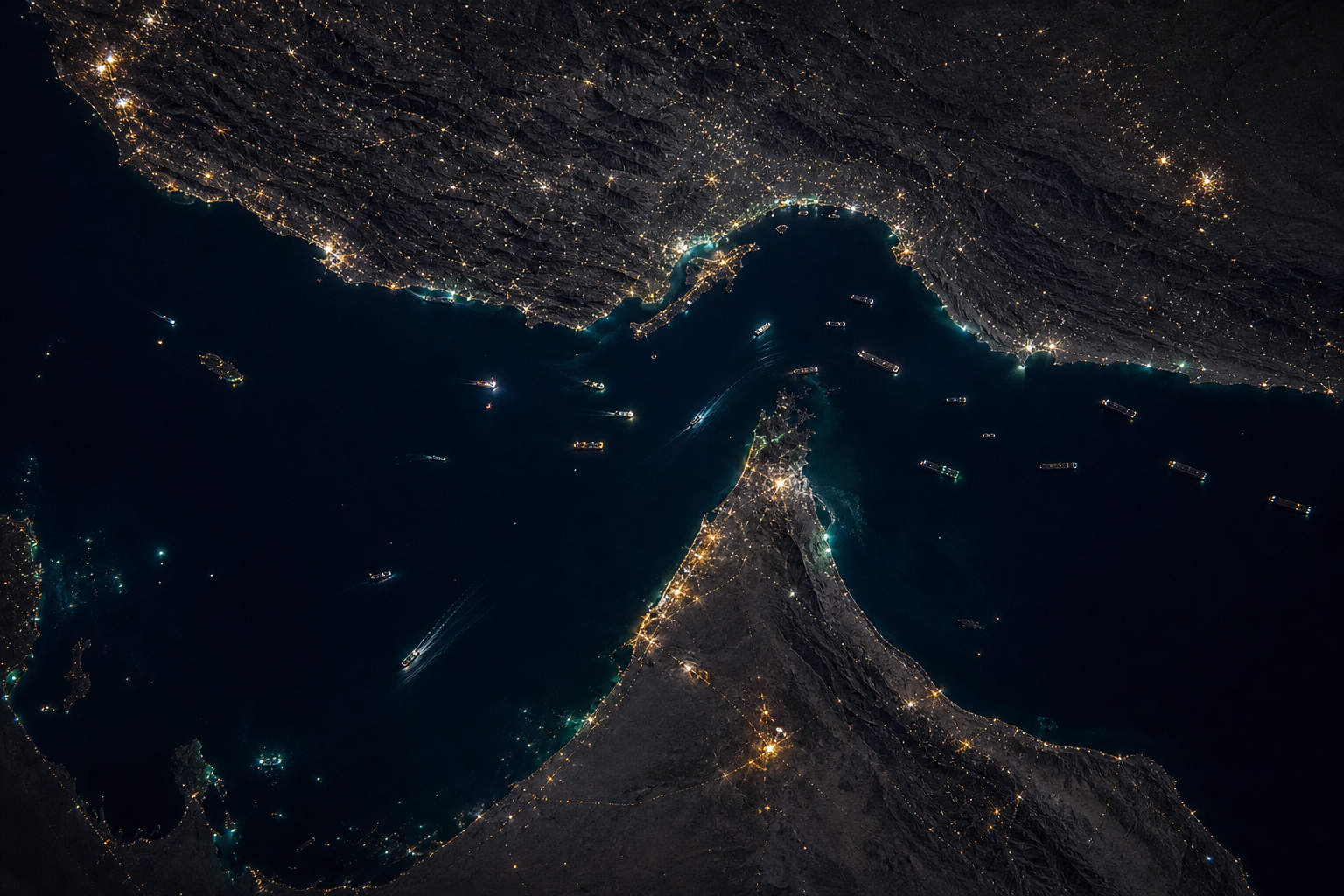
Washington spoke in two voices. While Vance negotiated, President Trump threatened on Fox News and Truth Social to “hit Iran very hard again” over Lebanon and to “take over” Hormuz if Tehran closes it. Iranian media reported a brief walkout; U.S. diplomats insisted contacts continued. Saturday, the IRGC announced Hormuz closed again over Lebanon fighting. Maritime tracking showed traffic severely stalled. Netanyahu vowed Israeli forces will remain in southern Lebanon “as long as necessary” — neither Israel nor Hezbollah signed the MOU, making Lebanon the largest structural spoiler.
Where Things Stand Tonight
Diplomatic status: not dead, but unstable. Direct talks took place. Mediators remain engaged. Neither side has withdrawn from the sixty-day clock. Trust is extremely low, Lebanon fighting continues, and Hormuz leverage is live. Negotiations survived Sunday; they did not prosper on it.
What Markets Face This Week
Oil is the first read. Brent stabilized below $79 after last week’s MOU — a forty-percent collapse from war peaks. Early electronic trading Sunday night showed Brent jumping more than a dollar as Switzerland’s chaotic start repriced tail risk. Base case: implementation. Fat tail: Brent back above $90 if talks fail or Israel escalates.
Equities enter Monday split. Relief trades — airlines, consumer discretionary — still have logic if sanctions waivers materialize. Energy longs and defense names retain hedge value. Three broader themes matter: dual sovereignty (Washington cannot sign for Netanyahu or Hezbollah); implementation asymmetry (markets front-run; tankers and insurers lag weeks behind declarations); and risk reallocation (Trump may restore Russian energy sanctions waived during the crisis, shifting pressure toward Moscow).
Watch three triggers in the next seventy-two hours: a communique on oil waivers; Hormuz transit volumes versus IRGC warnings; and whether Lebanon’s tentative ceasefire survives an Israeli security-cabinet cycle.

The Probability Scale
As of Sunday night, a rough institutional read: managed stalemate (talks continue, partial relief, Hormuz nominally open) at 50–55%, implying Brent $75–85 and grinding equity gains; breakthrough momentum (oil communique, Lebanon calm, visible tanker movement) at 20–25%, a risk-on unwind; breakdown or escalation at 20–25%, Brent toward $90+, defense and gold bid.
The middle path is the default — both sides have invested too much to quit over one bad Sunday. But invested is not aligned. Markets will treat every Trump post and IRGC statement as a live option until physical oil moves at scale. Negotiations survived the weekend. Whether they survive Monday’s open is the trade.
Tags
Sources
Reuters, Axios, BBC, CNN, Al Jazeera, France 24, Swissinfo, Anadolu Agency, maritime tracking data, early electronic oil futures