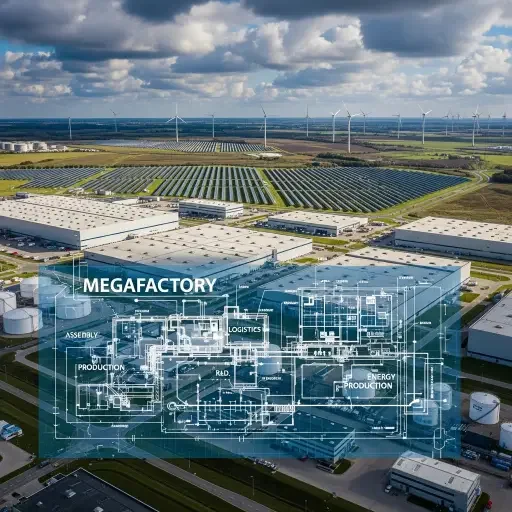
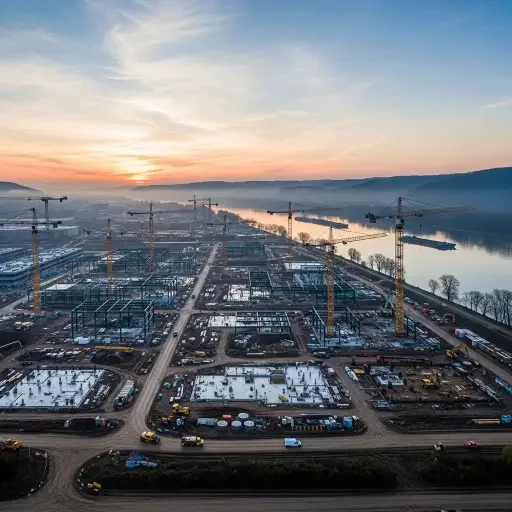
Spain has always understood optics. In the court of European industry, a megafactory is not merely a factory: it’s a signal. This is where CATL—a titan of battery chemistry, scale, and supply-chain gravity—meets Stellantis, the automotive behemoth maturing under the European sun after decades of reinvention. The project, set on expansive state-backed grounds in Spain, is designed to produce lithium-ion cradle-to-accelerator packs at scale, with an eye toward the continent’s ramping EV ambitions and the delicate choreography of geopolitics that accompany them.
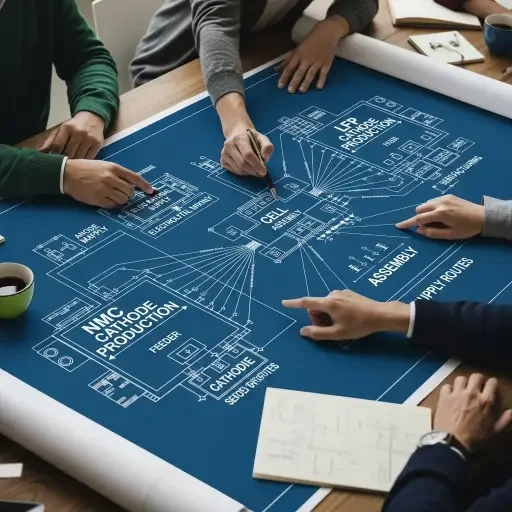
The entanglement is precise. Spain’s selection is not accidental; it bundles logistics, political theater, and a regional development appetite that Europe’s periphery has learned to improvise around. The site promises thousands of local jobs, a new tax base, and a velocity boost to a broader European effort to reduce dependence on distant supply lines. In practical terms, the plant would anchor a regional ecosystem: local suppliers, training pipelines, and an engineering culture tuned to the cadence of gigafactory output.
But the theater matters, too. Europe’s battery strategy is at once a market forecast and a diplomatic instrument. The CATL-Stellantis pact, in the Iberian context, signals a recalibration of who gets to shape the continent’s electric future. It uses Spain as a fulcrum: a familiar regulatory regime, an educated labor pool, and a willingness to subsidize industrial ambition with subsidies that can soften the upfront cost of scaling. In return, CATL gains a foothold not merely in European market access but in the capacity to influence the very contours of supply chains—where cells, chemistries, and the rare earths supply chain orbit will revolve.

Yet this is not a one-size-fits-all export. The megafactory’s economics depend on a tapestry of factors: European automotive demand cycles, battery material pricing, the politics of industrial policy, and the ability to localize value-add beyond the battery pack. Stellantis brings procurement discipline, manufacturing flavor, and a veteran’s appetite for scale, while CATL supplies the chemistry mastery, global logistics networks, and the manufacturing tempo that the European industry has long pursued but seldom achieved at this magnitude.
The Spain decision also casts light on the ongoing contest over “where value is created” in the EV supply chain. Europe’s aim to avoid “just in time” bottlenecks is matched by Asia’s comparative advantage in scale and cost. In effect, the plant may become a microcosm of a broader standoff: a continental strategy to balance resilience with competitiveness, and a local economy that risks becoming a magnet for capital while wrestling with energy costs, wage realities, and the political palimpsest of subsidies.
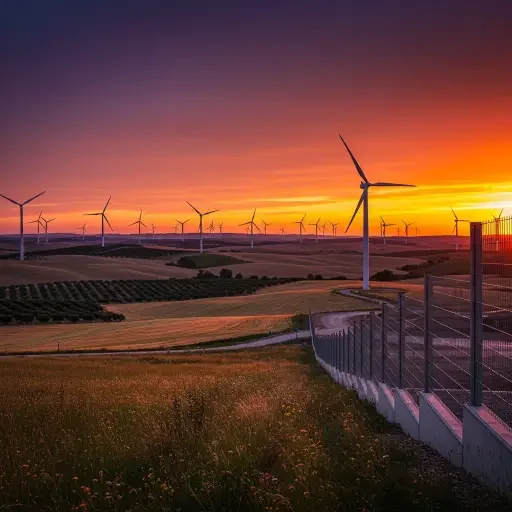
For Spain, the project is a modern-day sangría: a tempered blend of sweetness (investment, jobs, regional development) and bite (regulatory scrutiny, energy planning, and the discipline of meeting ambitious production milestones). The collaboration also carries soft geopolitics. While the world’s battery supply chain has leaned toward China and East Asia for decades, Europe’s push-to-autonomy has become a narrative in search of real-world traction. A Spain-based megafactory, especially one backed by a Chinese leader in energy storage, sends a message about alliance-building in a world where industrial sovereignty is a strategic asset.
Yet the narrative will need to survive the practical crucible. Labor availability, union considerations, and the time-to-scale math will test the optimism that accompanies any megaproject. The plant’s success will hinge on a robust industrial policy, predictable demand signals from European automakers, and a logistics spine that keeps pace with the plant’s heartbeat. If the cadence remains true, Spain could become the continental hinge between research labs in France and Germany and the production floors that turn raw materials into usable energy storage—without the constant tug of global tensions that have shadowed earlier chapters of battery geopolitics.
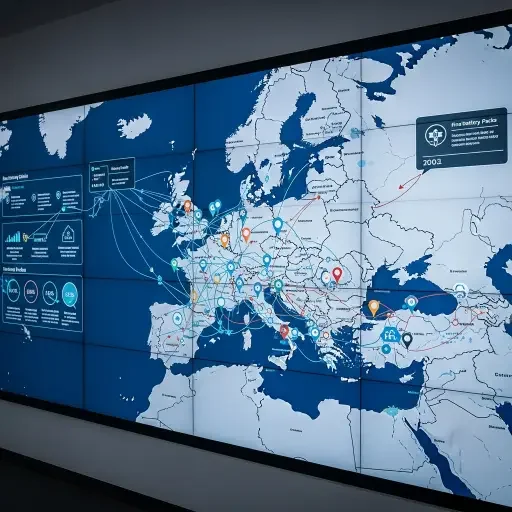
There is also a cultural undertone worth noting: the Iberian summer’s sangria, a symbol of convivial strategy, meets the regulatory rigor of a European green transition. The drink’s sweetness softens the edges of a plan that must compete on efficiency, cost, and carbon footprint. In this sense, the project is as much about narrative architecture as it is about factory walls. The story invites the world to watch a region navigate transition with pragmatism, patience, and a certain cosmopolitan swagger—proof that modern industrial prowess can wear a sun-drenched façade and still carry the ballast of macroeconomic discipline.

As with any large-scale industrial bet, the true test lies ahead: the construction milestones, supplier deals, and the ability to integrate with Europe’s charging networks and grid capacity. If successful, the Spain megafactory could become a case study in how to merge geopolitical hedging with regional growth, producing not only batteries but a model for how to navigate the geopolitics of energy in a continent that prizes both resilience and optimism.
The final verdict, of course, rests with the numbers—and the patience of markets and policymakers. But for a moment, at least, the narrative has shifted. A continent’s battery future—anchored by a Spanish plot, powered by CATL’s scale, and steered by Stellantis’ manufacturing precision—feels less like a gamble and more like a deliberate, data-informed bet on the next era of mobility.

In the end, the megafactory is a mirror: a reflection of Europe’s ambition to decarbonize with industrial gravity, and a reminder that the best narratives about energy transitions are also the sharpest business bets in the room.
Tags
Related Articles
Sources
Official announcements from CATL and Stellantis; Spanish regional development documents; industry analyses on gigafactory economics and supply-chain geopolitics.