

Anthropic rolled out Claude Meetings in beta on Team and Enterprise plans in November 2026, letting Google Meet participants add Claude as a visible attendee that drafts plans and artifacts during calls, alongside Claude Whiteboards, Claude Sheets, and generally available Claude Data connectors to warehouses and CRMs while the ANT roadshow emphasized consumption revenue above model novelty.
Most readers already grasp that Claude can write. The unfinished thought is why Anthropic wants inside the meeting itself. The answer is retention: models commoditize; work graphs compound.
The week Anthropic shipped Fable and Mythos 5.2 it also expanded a quieter product line: workplace furniture for Claude. Claude Meetings—in beta for Team and Enterprise on Google Meet at launch—lets participants invite Claude as a visible attendee that listens, answers in chat, and spins up docs, whiteboards, or slides while the call is still live, according to release notes and reporting from TechCrunch. Claude Whiteboards and Claude Sheets push the same logic: shared surfaces where the model edits structure, not just paragraphs.
For a general reader, the residual question is not whether the model can take notes. Microsoft Copilot, Google Gemini, and Zoom AI already market that story. The question is why Anthropic, a lab that still sells most revenue through cloud marketplaces and tokens, is building collaboration chrome days before bankers pitch ANT to mutual funds.
Chat Is a Trench; Work Graphs Are a Moat
API usage scales when developers embed Claude in apps. Anthropic’s S-1 already showed more than 11,900 customers above $100,000 of trailing-twelve-month spend—serious enterprise mass. But tokens alone do not explain ~900% net revenue retention. Retention rises when switching costs sit inside living documents: the campaign tracker finance already reconciled, the hiring board HR already shared, the dashboard tied to Snowflake.
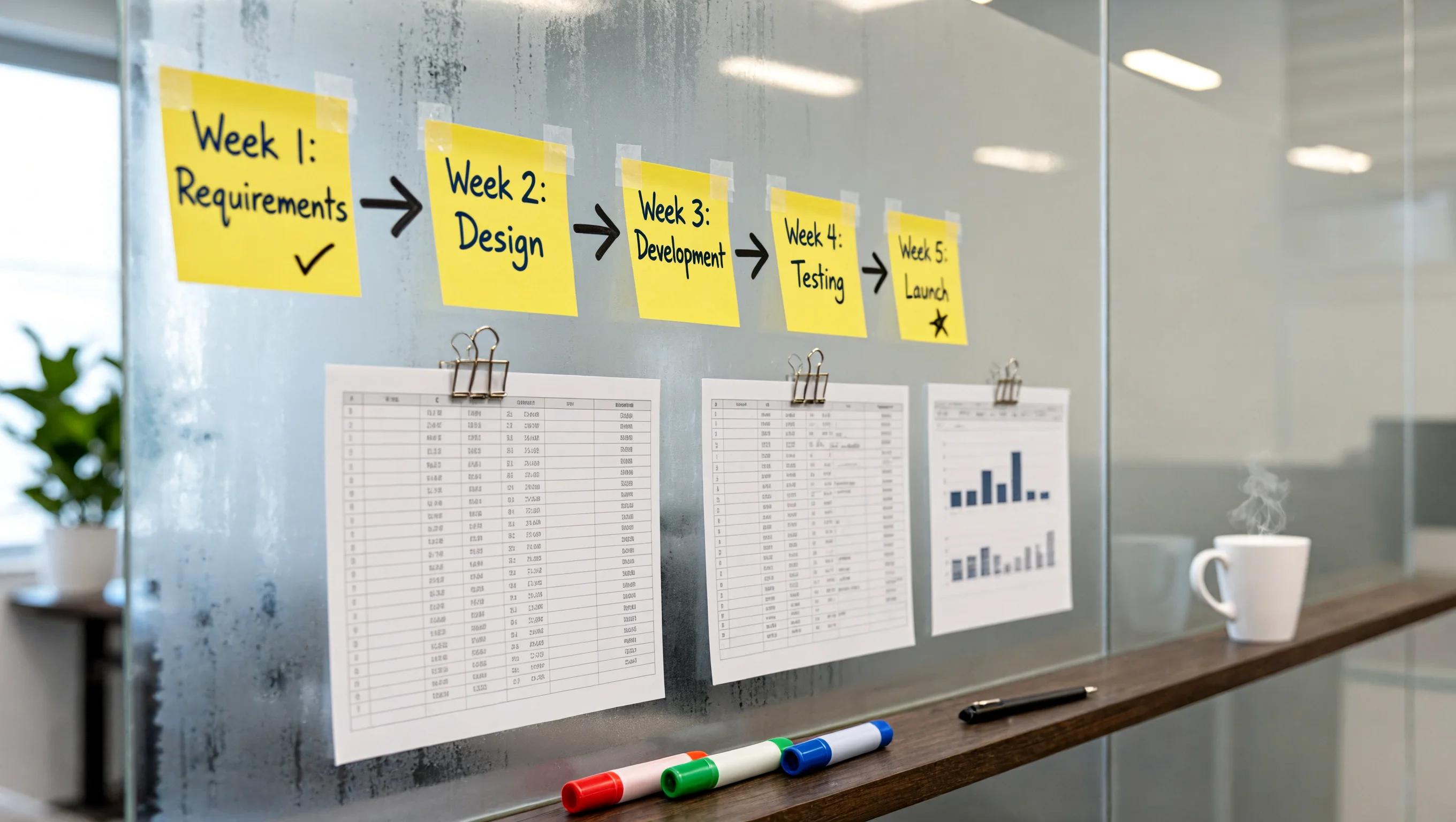
Meetings are where those objects get born. If Claude drafts the plan during the call, attaches tasks, and leaves artifacts in claude.ai afterward, the model becomes the system of record for intent—the phrase product strategists use when software outlives any single chat thread. Whiteboards and Sheets are the obvious extensions: timelines and tables are how organizations remember what they decided when the video window closes.
That is classic platform economics. Model weights leak through distillation and open weights; workflow memory does not copy-paste cleanly.
Connectors Turn Meetings Into Billing Events
Anthropic also promoted Claude Data—dashboards and narratives over warehouses and CRMs—and interactive connectors that open full third-party apps inside Claude. In a meeting, that matters: “What did we spend last quarter?” stops being a homework assignment for an analyst and becomes a live token burn with audit logs enterprise security teams already monitor.
The risk factors in the IPO filing warned that 5%–7% of recent revenue came from customers later found violating usage policies. Workplace surfaces increase observability: who asked Claude to pull which record, when, from which tenant. That is boring compliance work—and exactly what procurement officers need before they renew a seven-figure seat contract.
Who Loses If the Extra Chair Works
Microsoft and Google both distribute Claude through marketplaces even as they sell competing copilots—a tension Culled covered in the Nvidia–Anthropic governance knot. If Anthropic owns the meeting artifact layer, hyperscalers retain compute rent but surrender workflow centrality. Salesforce and Atlassian face a different threat: connectors that let Claude host their objects without opening another browser tab.
None of this eliminates model competition. It reframes it. Roadshow investors are not being asked to bet on whether Fable beats the next benchmark; they are being sold daily active teams that cannot rip out Claude without rebuilding planning memory.
What to Ask Before You Care
If your company pays for Claude, ask whether Meetings records are retained, trained on, or discoverable in litigation—the same questions you asked about Slack exports a decade ago. If you invest, compare seat expansion metrics to raw token growth after this rollout; the market will eventually punish pure benchmark stories without expansion data. If you are only watching headlines, watch Google Meet first: Anthropic chose the meeting vendor it does not own, which tells you where partnership still beats perfection.
The extra chair in the call is a gimmick in the demo and a strategy in the filing. Anthropic is betting that the smart kid in class stops being the chatbot and becomes the coworker who already updated the spreadsheet before you hung up.
Continue reading


Sources
Anthropic November 2026 workplace features and release notes; TechCrunch Meetings coverage; Culled Anthropic S-1 customer concentration analysis.


